




Bleisure Travel Guide: How to Extend Business Trips into Mini-Vacations
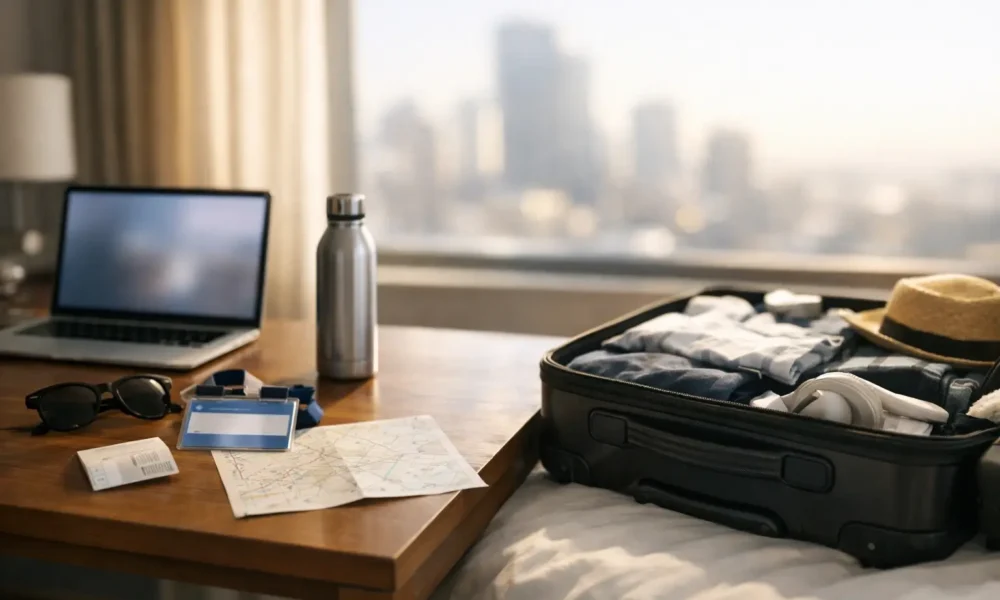
Work trips can feel messy. You land, you rush, you leave. Then you see a beach, a food market, or a quiet old street and think, “I wish I had one more day.”
That’s where bleisure travel helps. It turns a work trip into a mini-vacation without blowing up your calendar, your budget, or your company’s corporate travel policy. And yes, it can still feel confusing at first, especially when you’re not sure where to stay, what’s worth the money, or how to avoid tourist traps and transport stress.
I wrote this for real life. Not for glossy blogs and “viral” tips. Just clear choices, simple steps, and a plan you can use on your next work trip.
What Is Bleisure Travel? (Business + Leisure Explained)
Bleisure travel means adding personal leisure time to a business trip, usually by arriving early or staying after work ends. You keep meetings and work duties in place, then use a few personal days for rest, local time, and sightseeing. Think “business + leisure” in one trip, with clear boundaries.
People also call it biz-leisure, business + leisure travel, business leisure travel, or blended travel. The core idea stays the same: you extend a business trip, add personal days, and shape a small mini-vacation around work.
Bleisure vs workation vs blended travel
A workation often means working remotely from a holiday spot for longer. Blended travel is the umbrella term for any mix of work and leisure, including extra days on a work trip. Bleisure usually stays tied to a specific work trip, like a conference or meetings, with a short leisure extension.
Why it feels “normal” now
Remote and hybrid work made flexibility more common. More companies now expect travelers to blend work and personal time with clearer rules.
Why People Are Doing Bleisure More in 2026
Bleisure saves extra flights. You’re already there, so two extra days can feel like a “two-for-one” trip. That’s one reason it keeps growing.
Data backs up the trend. Navan + Skift reported 55% of business travelers took at least two blended business and leisure trips in 2024. That’s not a niche habit anymore.
The cost logic in plain terms
Flights often cost the most. If your company covers the work trip flight, your add-on costs are usually nights, meals, and local transport. Some travelers also save money by avoiding peak return days when they extend.
Here’s a simple mini-budget picture. If you add two personal days, plan for two extra hotel nights, two days of meals, and local transport. Then add one “fun” line item like a museum ticket, a guided walk, or a day trip.

The Golden Rule: Define Where Work Ends and Vacation Begins
Clear boundaries prevent drama. They also protect you if plans change. And they keep your work time from spilling into your leisure time.
Boundaries, availability, and expectations
Set work hours upfront. Block focus time for calls and email, then block work-free hours for your personal time. That keeps your schedule steady, even if meetings shift.
Duty of care and insurance coverage
“Duty of care” means your employer must protect you from foreseeable harm on work travel. But duty of care and insurance can change once the trip turns personal, so policies often tell you to draw a clear line between business days and personal days.
Before you extend, confirm three things:
- When your company’s duty of care applies.
- Whether company insurance covers leisure days or only business days.
- Who to contact in an emergency during personal days.
Step-by-Step: How to Extend a Business Trip Without Stress
Step 1: Check policy and get pre-approval
Start with your travel policy or corporate travel policy. Many companies expect a simple approval process before you book personal extensions. You want that “yes” in writing, because it makes reimbursement and compliance smoother.
Copy-paste manager email (approval kit) Subject: Bleisure request for my upcoming work trip (dates + cost split)
Hi [Name], I’m traveling to [City] for [work purpose] on [dates]. I’d like to add [number] personal days by returning on [new return date]. I’ll cover leisure costs (hotel nights, meals, activities) with my personal card and keep receipts separate. If the flight price changes, I can share a cost comparison fare for the business-only option. Please confirm approval and any HR/finance rules I should follow.
Thanks, Sophie
Step 2: Plan around weekends and holiday weekends
Use the weekend sandwich idea. Work ends Friday, you stay Saturday and Sunday, you fly back Sunday night or Monday morning. It’s the simplest “add personal days” pattern for many jobs.
Step 3: Build a mini-vacation itinerary around meetings
Keep it small. Two or three “anchor” plans beat a packed list. You want energy for work, not a sprint.
Pre-trip mini break
Arrive one day early. Use that day for a walkable neighborhood, a low-key local meal, and an early night. It helps with time zones and nerves before big meetings.
Post-trip unwind
Finish work, then stay one or two nights. Plan something that feels local: a market, a waterfront walk, a casual show, a simple day trip. Keep the first leisure evening close to your hotel.
Weekend sandwich strategy
Work through Friday. Do one bigger activity Saturday, then keep Sunday easy with a long breakfast and a short museum or park visit. That gives you a real break without wrecking Monday.
Step 4: Book smart (avoid split bookings when possible)
One reservation can simplify check-in and reduce room moves. Many bleisure travelers stay in the same place for both parts of the trip. If your policy needs separate billing, ask the hotel for separate hotel folios by date.
Step 5: Do the research before you land
Decide what’s worth it. Pick one “must-do,” one “nice-to-do,” and one “skip.” That protects your time and your budget, especially in cities built on tourist traps.
Who Pays for What? (Bleisure Expense Splitting Made Simple)
In most bleisure trips, your employer pays what’s needed for work days, and you pay for the personal extension. The cleanest method uses a company card only for business costs and a personal card for leisure costs. Keep dates clear, save receipts, and note the business purpose for work spend.
Expense separation sounds boring. It’s also the fastest way to avoid awkward chats with finance later. Common mistakes include mixing charges, missing business-purpose notes, and inconsistent proration.
Clean separation rules (cards, receipts, dates)
Use corporate card vs personal card as a hard line. Save receipts daily, not “later.” And write a quick note on anything that could look personal (like a taxi).
The gray areas (return flight, airport transfers, upgrades)
These areas cause the most confusion:
- Return flight date change: if your new return costs more, you often cover the difference. If it costs less, some policies keep the savings, others don’t. Compare against the business-only fare at booking time.
- Airport transport after personal days: if the ride happens during leisure, assume you pay. Keep a clean split.
- Upgrades: seat upgrades, nicer rooms, and add-ons usually fall to you unless business needs require them.
Sample cost-split table (with proration)
“Proration” just means splitting shared costs by day. If you rent a car for 5 days and only 3 are work days, you usually claim 3 days as business.
| Cost item | Company pays | You pay | Simple rule |
|---|---|---|---|
| Flight | Business-only fare | Extra cost from date changes | Save a cost comparison fare at booking |
| Hotel | Nights needed for work | Extra leisure nights | Request separate hotel folios by date |
| Meals | Work-day meals within policy | Leisure-day meals | Keep receipts with dates |
| Local transport | Trips to meetings | Sightseeing trips | Note purpose on receipts |
Where to Stay: Hotels and Areas That Work for Work + Play
Pick location first. A “perfect” hotel far from both meetings and fun will drain you. Aim for a walkable base with public transit nearby.
Non-negotiables for bleisure-friendly hotels
You need basics that support work. That means reliable high-speed Wi-Fi, a dedicated workspace or desk, a quiet room for video calls, and plenty of outlets/charging. If the hotel offers a coworking space or business center with printing, that’s a bonus on busy weeks.
Nice-to-haves that change the feel
Look for flexible check-in/out or late checkout when your flight timing sits awkwardly. A gym, pool, or calm lounge can help you reset after meetings. And I always check how fast it is to reach one local neighborhood with food that isn’t aimed only at tourists.
Remote-Work Setup: Keep Leisure Time from Creating Work Chaos
Plan your calendar early. Time zones can turn a “free afternoon” into a surprise call. So I block meetings, then I block fun.
Time zones, calendar blocks, and work-free hours
Add two daily blocks: “work time” and “work-free hours.” Tell your team what you’ll answer and what can wait. That keeps boundaries real, not wishful.
Connectivity basics (backup plan)
Bring a simple backup. A hotspot or eSIM can save a call when hotel Wi-Fi struggles. If your company uses a VPN, test it before you fly.
Destinations That Are Naturally Bleisure-Friendly
Look for easy evenings. You want places with good public transit, walkable areas, and things to do after 5pm. That’s what makes a city feel “bleisure-friendly,” not just famous.
Navan’s top bleisure destinations include New York, London, Tokyo, and Paris, among others. Other lists also point to hubs like London, Barcelona, and Singapore as popular picks with business infrastructure and leisure appeal.
Here are quick “2-day add-on” ideas:
- London: one neighborhood evening (food market or theatre area), one museum or riverside morning, then a park walk.
- Barcelona: choose one beach-side late afternoon, then a morning for markets and old streets before crowds peak.
- Singapore: go early for gardens, then use evenings for hawker-style food courts and a skyline walk.
- New York: one Central Park stroll, one neighbourhood food crawl, and a show if work finishes on time.
- Tokyo: keep it simple with one shrine or garden morning and one night area for food and lights.

Common Bleisure Mistakes and How to Avoid Them
Most problems start small. A mixed receipt, a fuzzy boundary, a rushed booking. Then finance, HR, or your manager asks questions later.
Watch for these:
- Mixing personal charges on a corporate card. Keep business-only spend on the company card, leisure on your personal card.
- Skipping documentation. Missing business-purpose notes can slow reimbursements and create compliance issues.
- Guessing at proration. Use clear, consistent day-based splits for shared costs like hotel and rental car.
- Letting work spill into leisure. Set work-free hours and stick to them, unless it’s urgent.
- Overplanning the fun part. One good plan beats five rushed ones, especially after long meetings.
Quick checklist: Before you extend a work trip
Keep this simple:
- Check your bleisure policy or corporate travel policy.
- Get manager approval in writing.
- Save a cost comparison fare for the business-only trip.
- Split payments: corporate card vs personal card.
- Confirm duty of care and insurance boundaries.
FAQs
What is bleisure travel (and how is it different from a workation)?
Bleisure adds personal days to a work trip. A workation often means working remotely from a leisure place for longer.
Can I extend a business trip without taking PTO?
Sometimes. It depends on your role and company rules. Many people add a weekend, then keep workdays unchanged.
Do I need manager approval to add personal days?
Often yes. Pre-approval keeps the reimbursement process clear and supports duty of care planning.
Who pays for the return flight if I change dates?
Many policies use a “business-only fare” as the company limit. If your changes cost more, you usually pay the difference.
How do I separate business and leisure expenses cleanly?
Use the company card for business only and your personal card for leisure. Save receipts by date and keep clear notes for anything that could look personal.
Can I use the company card and pay it back later?
It’s risky. Improper card usage shows up as a common mistake in bleisure expense tracking and can slow approvals.
Am I covered by company insurance during leisure days?
Coverage can change when personal days start. Check your policy and confirm what applies during the leisure segment.
What does “duty of care” mean for bleisure trips?
It’s your employer’s responsibility to protect you from foreseeable harm on work travel. Policies often require clear lines between business and personal days.
Can my partner or family come with me?
Sometimes. Some policies set rules for non-employee companions and how that affects duty of care and spend.
Should I book leisure nights separately or extend the same reservation?
One reservation can make logistics easier, but you may still need separate hotel folios so billing stays clean.
What if my meeting changes and ruins my leisure plans?
Build a flexible itinerary. Choose one “must-do,” then keep the rest easy to move or cancel.
What are the best hotel features for bleisure travelers?
Fast Wi-Fi, a dedicated workspace, a quiet spot for calls, and lots of charging points. Flexible checkout helps too.
How do I stay productive and still enjoy the destination?
Time-block work, then time-block fun. Protect work-free hours so leisure time feels like a real break.
What’s the easiest way to do a weekend extension?
Finish work Friday, stay Saturday and Sunday, then fly back late Sunday or Monday morning. It’s the cleanest “weekend sandwich” pattern.
Are there tax implications when mixing business and personal travel?
Sometimes, especially if costs blur. Treat this as a policy and finance question, not a guess. Tax questions can come up in bleisure and policies should clarify cost allocation.








No Comment! Be the first one.