




The Gut Brain Connection: How Your Microbiome Controls Your Mood (Science Backed Guide)
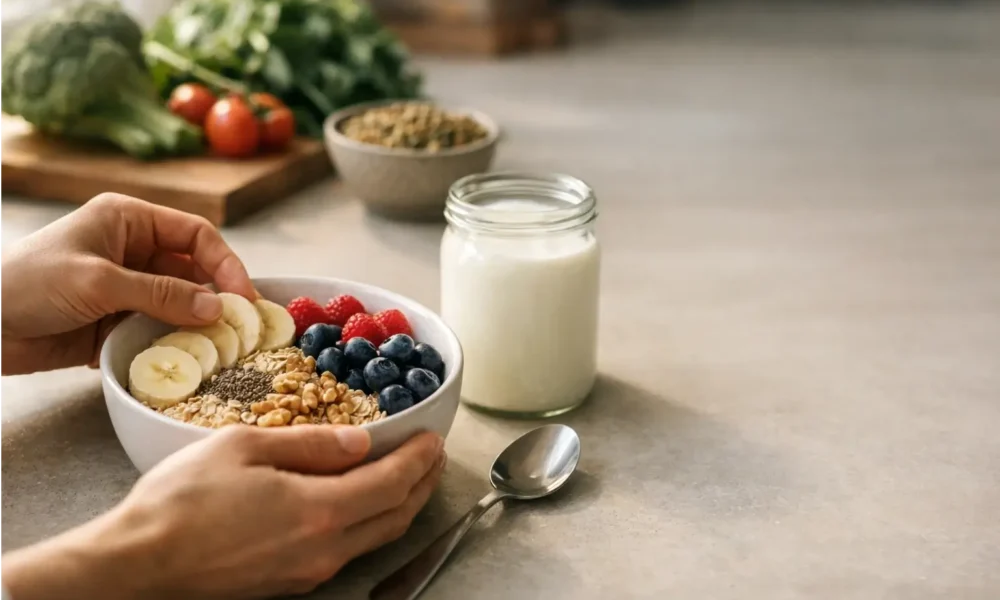
You ever notice how your stomach flips before a presentation? Or how stress kills your appetite? There’s actual science behind that, and it runs deeper than you think.
Your gut and brain are in constant conversation. Not just when you’re nervous or hungry, but every single day. The trillions of bacteria living in your digestive system are sending signals to your brain that can affect how you feel, how you sleep, and whether you wake up anxious or calm.
This isn’t wellness fluff. Research from Johns Hopkins, Stanford, and dozens of other institutions shows that gut bacteria produce chemicals that directly influence your emotional state. When your microbiome is off, your mood often follows.
Gut brain basics (what it is and why it matters)
Think of the gut-brain axis as a two-way highway. Your brain can send signals down to your gut (hence the nervous stomach), and your gut sends signals back up to your brain.
Your intestines contain around 100 million nerve cells. That’s more neurons than your spinal cord. Scientists call this the enteric nervous system, and it controls digestion independently from your brain. But it also communicates with your brain through multiple channels: the vagus nerve, immune cells, hormones, and metabolites produced by gut bacteria.
About 30% to 40% of people experience functional bowel problems at some point, and researchers now understand that gut irritation doesn’t just cause digestive symptoms. It sends signals to your central nervous system that can trigger mood changes.
The system works both ways. Chronic stress affects your microbiome composition, and an unhealthy microbiome can make you more vulnerable to stress, anxiety, and low mood.
How your microbiome influences mood
Your gut houses trillions of microorganisms. Collectively, they weigh about four pounds and include bacteria, viruses, fungi, and other microscopic life forms. These microbes aren’t passengers. They’re active participants in your health.
Two types of bacteria, Coprococcus and Dialister, were found to be missing in people with depression. When researchers compared over 1,000 people, those with depression or low quality of life consistently lacked these specific microbes.
Different bacterial species perform different jobs. Some produce anti-inflammatory compounds. Others break down fiber into beneficial molecules. Some even manufacture neurotransmitter precursors that your body uses to regulate mood.
When your microbiome is diverse and balanced, it supports mental health. When it’s disrupted (a state called dysbiosis), the effects can show up as anxiety, depression, brain fog, or mood swings.

Neurotransmitters and brain chemicals
Here’s where it gets interesting. About 90% of your body’s serotonin is made in your gut, not your brain.
Serotonin is the neurotransmitter most associated with mood. While gut-produced serotonin doesn’t cross into the brain directly, gut microbes stimulate specialized cells called enterochromaffin cells to produce serotonin. This gut serotonin affects digestion, gut motility, and sends signals through the vagus nerve that influence brain function.
Certain bacteria can produce or influence other neurotransmitters too:
Dopamine: Several bacterial species, including some strains of E. coli, Bacillus, and others, can produce dopamine in the gut. Mice without gut bacteria show increased turnover of dopamine in the brain, suggesting the microbiome plays a role in dopamine regulation.
GABA: This is your brain’s main calming neurotransmitter. Lactobacilli and Bifidobacteria species can produce GABA, and studies suggest these bacteria may work similarly to some antidepressants by increasing GABA production.
The bacteria don’t just make these chemicals for fun. They use them for their own signaling, but in doing so, they create compounds that interact with your nervous system and affect how you feel.
The vagus nerve signaling highway
The vagus nerve is the main physical connection between your gut and brain. It’s like a fiber optic cable running from your brainstem down through your chest and into your abdomen.
Information travels both directions along this nerve. When you eat, vagal signals tell your brain you’re full. When you’re stressed, signals travel down to slow digestion.
Research in mice shows that cutting the vagus nerve blocks many of the mood effects of certain probiotics. Vagotomy blocked the mood-modifying effects of Lactobacillus and Bifidobacterium species, which suggests these bacteria communicate with the brain primarily through vagal pathways.
The vagus nerve doesn’t just carry on-off signals. It transmits complex information about gut contents, bacterial metabolites, and inflammatory status. Your brain uses this data to adjust stress responses, appetite, and even emotional processing.
Inflammation and the gut barrier
Your gut lining is only one cell thick. When it’s healthy, it acts as a selective barrier, letting nutrients through while keeping bacteria and toxins out.
But when this barrier breaks down (often called leaky gut), bacterial fragments and inflammatory molecules can escape into your bloodstream. Your immune system responds, triggering inflammation that doesn’t stay local to your gut.
High dietary sugar drives changes in microbiota, decreases bacterial diversity, and increases gut permeability, leading to metabolic endotoxemia and inflammation. Even in normal-weight mice, high sugar intake caused inflammatory gut changes and impaired barrier integrity.
Chronic low-grade inflammation is strongly linked to depression and anxiety. When inflammatory molecules reach the brain, they can interfere with neurotransmitter production and disrupt normal brain function.
Short-chain fatty acids, which we’ll cover next, help maintain gut barrier integrity. When your microbiome isn’t producing enough of these protective compounds, your gut barrier weakens.
Stress response and the HPA axis
The hypothalamic-pituitary-adrenal (HPA) axis is your body’s stress control center. When you face a threat, this system releases cortisol and other stress hormones.
Gut bacteria can influence how your HPA axis functions. Probiotics can reverse the stress hormone response released through the HPA axis, helping to moderate your body’s reaction to stress.
Studies with germ-free mice (raised without any gut bacteria) show impaired stress responses compared to normal mice. When these mice were given gut bacteria, their stress responses normalized.
The connection runs both ways. Chronic stress changes your microbiome composition, often increasing pro-inflammatory bacterial species and decreasing beneficial ones. This creates a cycle where stress worsens your microbiome, and a disrupted microbiome makes you more vulnerable to stress.
Microbial metabolites like short chain fatty acids
When gut bacteria ferment fiber from your diet, they produce short-chain fatty acids (SCFAs). The three main ones are acetate, propionate, and butyrate.
These molecules do far more than you’d expect from bacterial waste products.
Oral intake of sodium butyrate decreases depressive-like and anxiety-like behaviors while restoring gut barrier integrity. SCFAs reduce inflammation in the brain, protect the blood-brain barrier, and influence neurotransmitter production.
Butyrate specifically increases levels of brain-derived neurotrophic factor (BDNF) in the prefrontal cortex. BDNF stimulates neuron growth and is often low in people with depression.
Depressed people have far less diversity in their microbiome than non-depressed people, leading to failure to produce molecules essential to normal brain function.
SCFAs also activate receptors on immune cells and neurons, turning down inflammatory responses and supporting healthy brain function. When your diet lacks fiber, your gut bacteria can’t produce adequate SCFAs, potentially affecting your mood and cognitive function.
The biggest gut mood disruptors
Certain factors consistently damage the gut microbiome and, by extension, mood stability:
Antibiotics: Sometimes necessary, but they kill beneficial bacteria along with harmful ones. Antibiotics cause significant changes in gut microbiota that have both short and long-term health consequences. If you must take them, focus on rebuilding your microbiome afterward.
Sugar and processed foods: High-sugar diets increase pathogenic bacteria like Proteobacteria while decreasing beneficial bacteria like Bacteroidetes. Processed foods lack the fiber your beneficial bacteria need and often contain additives that disrupt microbial balance.
Alcohol: Regular alcohol consumption encourages dysbiosis and bacterial overgrowth. It increases gut permeability and promotes inflammation.
Chronic stress: Stress directly alters microbiome composition through molecular signals from the brain to the gut. It can also indirectly affect your microbiome through stress eating and poor food choices.
Artificial sweeteners and emulsifiers: Research shows certain artificial sweeteners and food additives can disrupt gut bacteria balance and increase intestinal inflammation.
Sleep deprivation: Poor sleep is associated with alterations in gut bacteria composition. The relationship appears bidirectional, with sleep affecting the microbiome and the microbiome influencing sleep quality.
Mood friendly eating habits that actually work
You can’t control every aspect of your microbiome, but you can create conditions that favor beneficial bacteria.
Eat more fiber: Your gut bacteria ferment fiber into those beneficial SCFAs. Most people need 25-35 grams daily. Good sources include vegetables, fruits, whole grains, legumes, nuts, and seeds.
Diversify your plants: Aim for 30 different plant foods per week. Different plants feed different bacterial species. More variety means more microbial diversity.
Include omega-3 fatty acids: Fatty fish, walnuts, and flaxseeds provide omega-3s that reduce inflammation and support both gut and brain health.
Limit added sugars: Keep added sugar to less than 10% of your total calories. Choose whole fruits over fruit juice.
Choose whole foods over processed: The closer food is to its natural state, the better for your microbiome. Minimize foods with long ingredient lists full of additives.
Stay hydrated: Water supports healthy digestion and helps maintain the protective mucus layer in your gut.
Probiotics, prebiotics, and fermented foods (what helps most)
Probiotics are live beneficial bacteria. Prebiotics are the fibers that feed your existing good bacteria. Both can support gut and mental health.
Fermented foods contain live cultures and have been consumed for thousands of years. Fermented foods directly impact the enteroendocrine system, affecting hormones like serotonin and GLP-1. Options include:
- Plain yogurt with live cultures
- Kefir (a tangy fermented milk drink)
- Sauerkraut (unpasteurized)
- Kimchi
- Miso
- Kombucha (watch for added sugar)
- Tempeh
Start with small amounts (a tablespoon daily) and gradually increase. Some people experience temporary bloating as their microbiome adjusts.
Probiotic supplements can be helpful, but strain matters. Lactobacillus helveticus and Bifidobacterium longum have shown benefits for reducing anxiety and depression symptoms in studies. Lactobacillus rhamnosus GG is well-researched for digestive health.
Not all probiotics work for everyone. Your existing microbiome, diet, and health status all influence effectiveness.
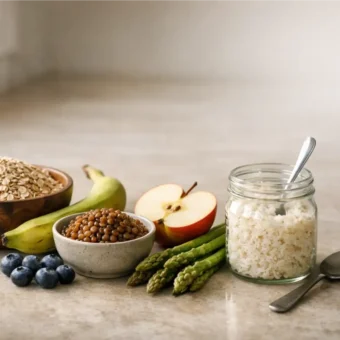
Prebiotic foods feed your beneficial bacteria. Good sources include onions, garlic, leeks, asparagus, bananas (especially slightly green ones), oats, and legumes.
Common mistakes, FAQs, and realistic expectations
Don’t expect overnight results. Microbiome changes take time. Most people notice initial digestive improvements within 1-3 weeks of dietary changes or probiotic use. Mood benefits typically appear after 4-8 weeks of consistency.
Don’t take probiotics inconsistently. Most probiotic bacteria are temporary visitors. They need to be replenished regularly to maintain benefits.
Don’t ignore the rest of your diet. A probiotic supplement won’t fix a diet high in sugar and processed food. The foundation is whole foods and fiber.
Don’t assume one size fits all. What works for your friend might not work for you. The microbiome is highly individual.
Don’t forget about stress management. Diet alone won’t overcome chronic stress. Physical activity, adequate sleep, and stress reduction practices all support a healthy gut-brain axis.
FAQs
Can gut health really cause anxiety or depression?
The relationship is complex. Gut health doesn’t “cause” mental health conditions in a simple, direct way, but the connection is real and backed by research. Studies show people with depression often have different microbiome compositions than those without depression. Animal studies demonstrate that transferring gut bacteria from depressed humans to mice produces depression-like behaviors in the animals. The gut produces neurotransmitters, influences inflammation, and sends signals that affect brain function. A disrupted microbiome can contribute to anxiety and depression, especially when combined with other risk factors like genetics, stress, and life circumstances. It’s one piece of a larger puzzle, not the whole picture.
How long does it take to feel a mood change?
Be patient. Your microbiome didn’t get disrupted overnight, and it won’t reset overnight either. Most research suggests a timeline of 4-12 weeks for noticeable mood improvements from dietary changes or probiotics. Some people report feeling better within a few weeks, while others need 2-3 months of consistency. Digestive symptoms often improve first (within 1-3 weeks), followed by changes in energy and mood. The timeline depends on your starting point, the severity of dysbiosis, your diet quality, stress levels, and individual factors. Give any intervention at least 8 weeks before deciding it’s not working.
Do probiotics work for everyone?
No, and that’s important to understand. Probiotics are strain-specific, meaning different bacterial strains have different effects. What works for digestive issues might not help mood. Your existing microbiome composition, genetics, diet, and lifestyle all influence how well probiotics work for you. Some people are “non-responders” to certain strains. Quality matters too. Many commercial probiotics don’t contain viable bacteria by the time you buy them, or the bacteria don’t survive stomach acid. Look for products that guarantee viability through expiration and contain well-researched strains at effective doses (usually at least 1-5 billion CFUs). If one doesn’t work after 8-12 weeks, it doesn’t mean probiotics won’t work for you. It might mean you need a different strain.
What is the best diet for the gut brain connection?
There’s no single “best” diet, but patterns emerge from research. Mediterranean-style eating consistently supports both gut and brain health. This means plenty of vegetables, fruits, whole grains, legumes, nuts, seeds, and olive oil, with fish a few times weekly and limited red meat and processed foods. The key principles: high fiber (at least 25-30 grams daily), diverse plant foods (aim for 30 different types weekly), fermented foods regularly, omega-3 rich fish, minimal added sugar and processed food, and adequate hydration. Some people benefit from reducing or eliminating specific trigger foods, but restrictive diets can sometimes reduce beneficial bacteria. The goal is adding good foods, not just removing bad ones. Consistency matters more than perfection.
Final Thoughts
The gut-brain connection isn’t alternative medicine. It’s mainstream science that’s changing how we understand mental health.
Your microbiome is remarkably responsive to what you feed it. Within days of dietary changes, bacterial populations begin shifting. Within weeks, you might notice differences in how you feel.
This doesn’t mean gut health is a cure for clinical depression or anxiety disorders. Mental health is complex, and severe symptoms need professional care. But for many people, supporting gut health through diet and lifestyle can be a meaningful part of feeling better.
Start simple. Add more fiber-rich plants to your meals. Try a serving of fermented food daily. Cut back on added sugar. Get enough sleep. Manage stress when you can.
Your gut and brain are in constant conversation. Give that conversation the support it needs.





[…] you control data sharing and connected services […]
[…] reviews describe resistant starch as a dietary component that can shape the gut microbiome and support SCFA […]
[…] The Gut Brain Connection: How Your Microbiome Controls Your Mood (Science Backed Guide) […]
[…] Core topics include food safety, nutrition, and supply chain systems. Practical learning includes food systems projects. Career connections include food science and quality control. […]
[…] network. It produces hormones like oestrogen, testosterone, cortisol, and prolactin, which control everything from your mood and metabolism to your reproductive health. Foenegriek contains phytoestrogens and steroidal […]
[…] are widely said to have met at the University of Illinois. Official Jacksonville Jaguars material backs the Illinois student connection, while widely cited biography summaries say they met in 1967, dated for ten years, and married in […]