




Snack-Sized Workouts: Why 10-Minute Exercise Sessions Beat Hour-Long Gym Visits
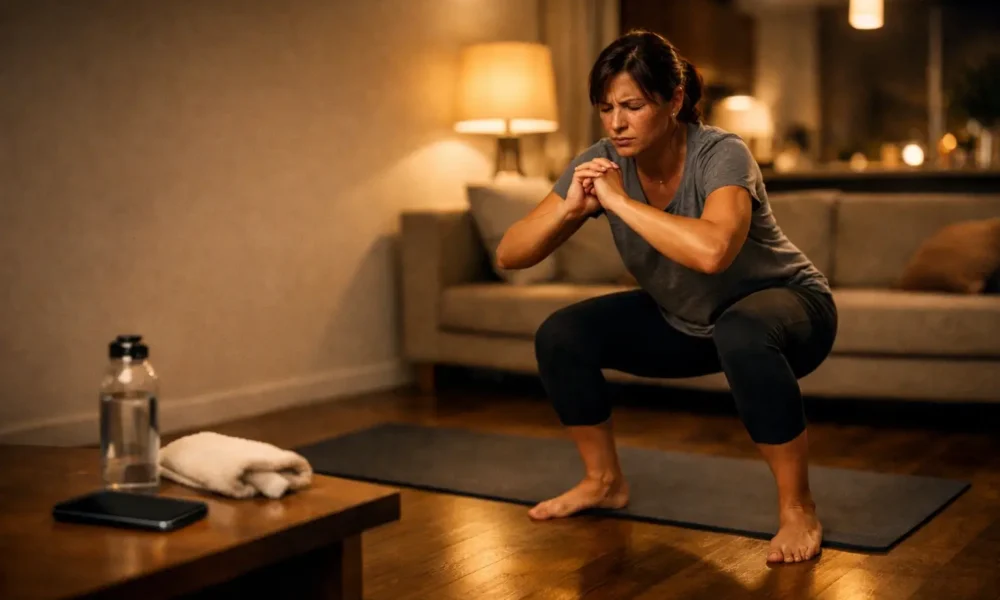
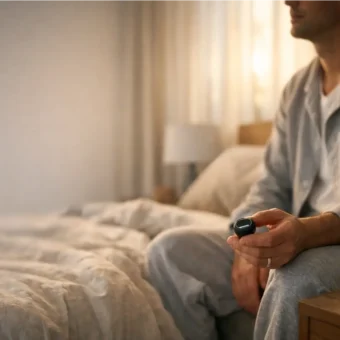
It’s 9:47pm.
You’re tired, but your brain won’t switch off.
Table Of Content
- What are snack-sized workouts?
- Snack-sized workouts vs exercise snacks
- What they’re not
- The real reason 10 minutes beats 60 minutes
- The hidden cost of gym workouts
- Frequency beats duration
- The science, in plain English: why short workouts work
- Intensity is the lever (use the talk test)
- What research says about exercise snacks
- Why movement helps sleep and your body clock
- The snack-sized workout formula (10 minutes)
- 1 minute warm-up (joint-friendly)
- 8 minutes work (pick one goal)
- 1 minute cool-down (breathing + mobility)
- 3 ready-to-use 10-minute workouts (no gym)
- Option A: Cardio snack (stairs or brisk walk intervals)
- Option B: Strength snack (full-body, major muscle groups)
- Option C: Mobility snack (stiffness + posture reset)
- How many snack-sized workouts per day or week?
- The easiest target: 1–3 x 10 minutes a day
- A beginner weekly plan (simple and realistic)
- A busy-but-active weekly plan (more intensity, same time)
- Progression rules (so you don’t stall)
- Make it automatic (habit and scheduling)
- Safety and who should be careful
- If you’re returning after a long break
- Pregnancy, postnatal, and older adults
- Stop signs (don’t ignore these)
- A simple next step for tonight
- FAQs
- What are snack-sized workouts?
- Do 10-minute workouts really work?
- How many 10-minute workouts should I do per day?
- Are snack-sized workouts the same as exercise snacks?
- Do short workouts count toward the 150 minutes per week guideline?
- What’s the best snack-sized workout for weight loss?
- What’s better: 1×30 minutes or 3×10 minutes?
- Can I build muscle with 10-minute workouts?
- What if I don’t have equipment?
- What are good snack-sized workouts at my desk?
- Are snack-sized workouts safe for beginners?
- Are they safe for older adults?
- What intensity should a 10-minute workout be?
- How do I structure a 10-minute workout?
- Can snack-sized workouts replace the gym completely?
You’ve tried the usual sleep tips.
“Go to bed earlier.” “Stop screens.” “Wake up at the same time.”
But real life keeps getting in the way.
When your sleep-wake pattern slips, everything feels harder.
You wake up foggy. You crash mid-afternoon. You lie awake at night, wide-eyed.
Here’s the part most people miss.
Your body clock likes regular signals during the day.
Light matters, but so does movement.
That’s where snack-sized workouts come in.
Not long gym sessions.
Just short workouts you can actually stick to.
What are snack-sized workouts?
Snack-sized workouts are short exercise sessions, usually 5–20 minutes, that fit into normal days. They can be 10-minute workouts at home, at work, or outside. The goal isn’t perfection. It’s repetition. Done often, these mini workouts add up and count toward weekly activity targets.
They’re also called micro workouts, quick workouts, or movement snacks.
Same idea. Small blocks that reduce the “all or nothing” trap.
Snack-sized workouts vs exercise snacks
Snack-sized workouts often mean 10 minutes, sometimes up to 15 minutes.
Exercise snacks are usually even smaller, often 5 minutes or less, repeated through the day.
Both work best when they’re simple.
They also work best when they feel easy to start.
What they’re not
They’re not random chaos.
They’re not “no pain, no gain.”
They’re also not “pointless because they’re short.”
Benefits can add up in bouts of any length.
The real reason 10 minutes beats 60 minutes
A gym session isn’t just the workout.
It’s the travel, the changing, the waiting, the shower, the trip back.
That hidden time cost can turn “I’ll go today” into “maybe tomorrow.”
And tomorrow keeps moving.
The hidden cost of gym workouts
When sleep is already messy, energy is limited.
A long plan asks for the one thing you don’t have: spare effort.
Short bursts of exercise cut friction.
Less friction means you’re more likely to do it, even on low-energy days.
Frequency beats duration
Your body doesn’t score you for one perfect session.
It responds to what you repeat.
This is why snack-sized workouts can beat a single long visit.
More days active often means more total movement in a week.
Adults are advised to be active every day and break up long sitting time.
The science, in plain English: why short workouts work
Let’s keep it simple.
Two things matter most: how often you move, and how hard it feels.
Intensity is the lever (use the talk test)
Moderate intensity means you can talk, but you can’t sing.
Vigorous intensity means you can only say a few words before pausing.
That’s the talk test.
It’s easy, and it works in real life.
Short bursts can hit moderate or vigorous effort fast.
That’s why 10 minutes can count when it’s brisk enough.
What research says about exercise snacks
Research summaries suggest exercise snacking improved cardiorespiratory fitness in inactive adults.
It also didn’t show big changes in things like body fat or blood pressure in that summary.
That’s useful, because it keeps expectations realistic.
Some sources also warn that headlines can overstate what these studies prove.
So we’ll keep our focus on what’s most solid: fitness, routine, and consistency.
Why movement helps sleep and your body clock
Your circadian rhythm is your 24-hour body clock.
It helps set your sleep-wake cycle, including when you feel sleepy at night.
Irregular schedules, late screens, travel, and night work can throw it off.
When it’s off, you can feel wired late and flat in the morning.
Regular physical activity links to better sleep quality and energy in public health guidance.
A review of studies also found exercise can improve sleep quality with few reported adverse effects.
Timing matters for some people, too.
Aerobic exercise in the morning or afternoon may support earlier melatonin release and make it easier to fall asleep earlier.
If evenings are your only option, don’t panic.
Evening exercise often doesn’t harm sleep, but very hard intervals close to bedtime can make sleep harder for some people.
The snack-sized workout formula (10 minutes)
We’re going to use a simple structure.
It’s the same each time, so your brain doesn’t have to decide.
1 minute warm-up (joint-friendly)
Start easy.
March in place, roll shoulders, circle ankles, and take big breaths.
Warm-ups don’t need to be long to be useful.
They just need to happen.
8 minutes work (pick one goal)
Pick strength, cardio, or mixed.
Set a timer and keep moving.
If you’re new, slow the pace.
If you’re ready, raise effort and shorten rest.
1 minute cool-down (breathing + mobility)
Slow your breathing.
Shake out your arms and legs.
This helps your body settle.
That matters more if you train later in the day.
3 ready-to-use 10-minute workouts (no gym)
These are do-anywhere sessions.
No equipment. No special kit.
Option A: Cardio snack (stairs or brisk walk intervals)
If you have stairs, use them.
If you don’t, use a brisk walk outside or march in place.
Try this 10-minute interval set:
1 minute easy pace, then repeat 4 times: 1 minute brisk, 1 minute easy, then finish with 1 minute brisk.
A brisk 10-minute daily walk can count toward weekly activity targets.
That’s a simple win for busy days.
Option B: Strength snack (full-body, major muscle groups)
Strength work matters for health.
Guidance says to work major muscle groups at least 2 days a week.
Do this circuit for 8 minutes:
- 30 seconds squats
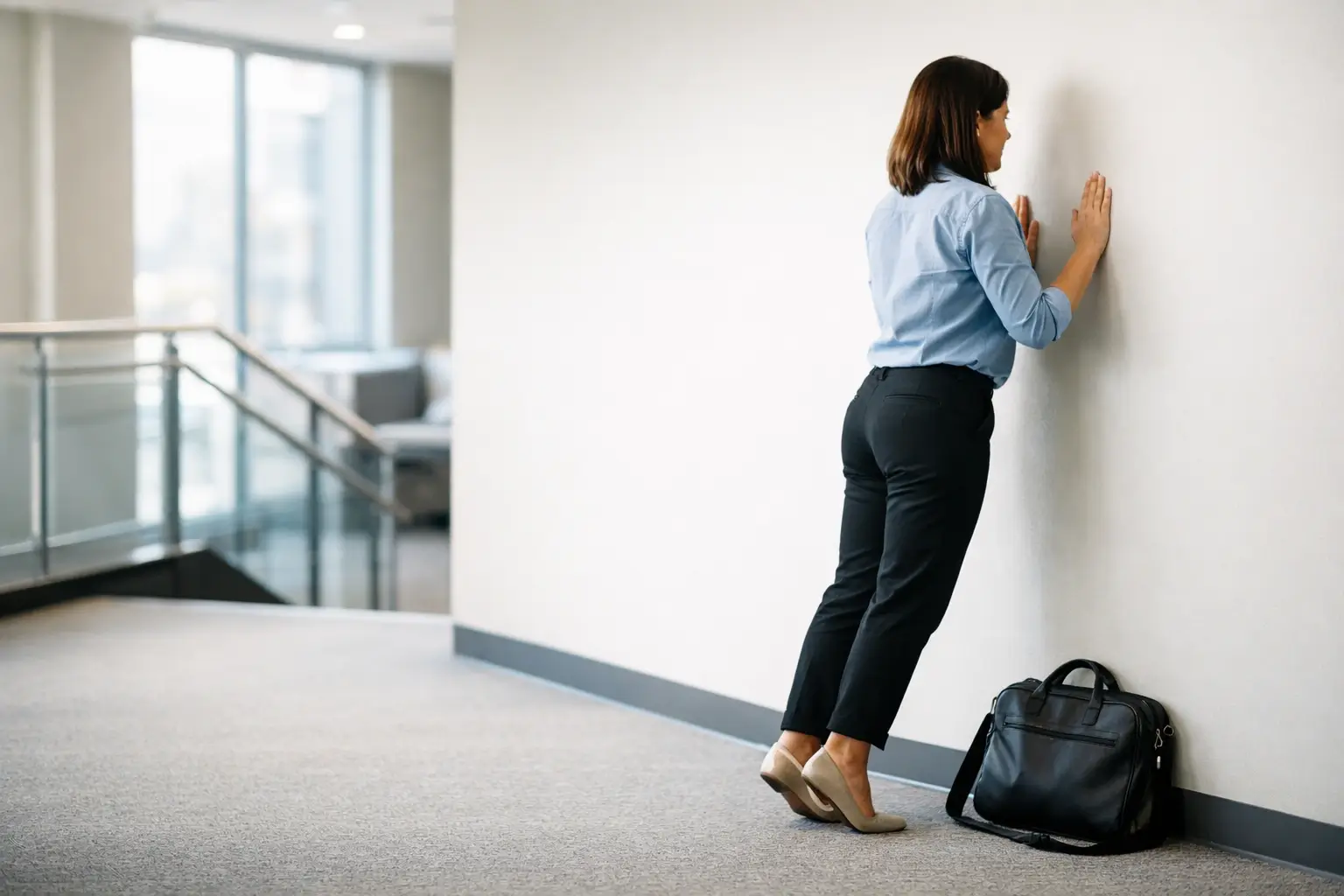
- 30 seconds wall or desk push-ups
- 30 seconds lunges (or step-backs)
- 30 seconds rest
- Repeat
No floor? No issue.
Use a wall, a sturdy desk, or a chair.
Option C: Mobility snack (stiffness + posture reset)
This one is for desk days.
It’s also great when you’re tired and you don’t want hard exercise.
For 8 minutes, rotate through:
neck turns, shoulder rolls, chest opener at a doorway, hip circles, and gentle hamstring reach.
This isn’t a workout extra.
It breaks up sedentary time, which health guidance tells us to do.
How many snack-sized workouts per day or week?
Most people don’t need a complex plan.
They need a plan they’ll repeat.
The easiest target: 1–3 x 10 minutes a day
Start with one 10-minute block.
Add a second when it feels normal.
If sleep is a struggle, aim for earlier in the day first.
Morning or afternoon movement can support a steadier sleep-wake rhythm.
A beginner weekly plan (simple and realistic)
Keep it basic.
We’re building momentum, not chasing perfection.
- Mon: 10-minute brisk walk + 10-minute strength
- Tue: 10-minute walk
- Wed: 10-minute mobility + 10-minute walk
- Thu: 10-minute strength
- Fri: 10-minute walk
- Sat: 10-minute mixed (walk + stairs)
- Sun: 10-minute easy walk or mobility
This supports the main targets: regular movement, less sitting, and strength twice weekly.
A busy-but-active weekly plan (more intensity, same time)
If you’re already active, add effort.
You can also use short very vigorous sessions as part of your weekly mix.
- 3 days: 10-minute intervals (brisk or stairs)
- 2 days: 10-minute strength circuits
- Most days: 10-minute walk after lunch or dinner
Progression rules (so you don’t stall)
Progress should feel small.
That’s what keeps it safe.
Use one rule at a time:
add 1 round, add 2 reps per move, shorten rest by 10 seconds, or make the brisk parts brisker.
If your sleep gets worse, adjust timing first.
Try moving hard sessions earlier, and keep late sessions light.
Make it automatic (habit and scheduling)
We don’t need motivation every day.
We need triggers that happen anyway.
Use “between meetings” moments.
Or link it to a daily task you never skip.
Here are a few trigger ideas:
- kettle boiling = 10 squats
- brushing teeth = wall push-ups
- lunch break = 10-minute walk
- last email sent = 2 minutes stairs or marching
- school pickup wait = brisk loop around the block
The goal is simple.
We turn exercise into something that fits your busy lifestyle.
Safety and who should be careful
This is where we stay sensible.
Short workouts can still be hard.
If you’re returning after a long break
Start smaller than you think you need.
Even 4 minutes is a start.
Some guidance suggests talking to a GP if you haven’t exercised for some time, or you have medical concerns.
That’s not scary advice. It’s steady advice.
Pregnancy, postnatal, and older adults
Adult guidelines note workouts can be suitable for disabled adults, pregnant women, and new mothers, with extra care around returning and building intensity.
For older adults, guidance puts extra focus on strength, balance, and flexibility at least twice a week.
That can still be snack-sized.
Stop signs (don’t ignore these)
Stop if you get chest pain, faintness, or severe breathlessness.
Stop if dizziness doesn’t pass quickly.
If joint pain gets sharper as you move, scale back.
Swap jumping for stepping, and choose slower strength work.
A simple next step for tonight
Pick one 10-minute workout for tomorrow morning.
Set a timer and place it on your calendar.
If your sleep has been rough, keep the first session gentle.
Then watch what happens after a week of steady daytime movement.
FAQs
What are snack-sized workouts?
Snack-sized workouts are short sessions, usually 5–20 minutes, that you repeat often. They can be at home, at work, or outside. The key is consistency, not intensity every time. Short bouts can add up across the day and still support weekly activity goals.
Keep the barrier low.
That’s how this becomes routine.
Do 10-minute workouts really work?
Yes, they can. Ten minutes done often can build fitness, especially if some sessions reach moderate effort. Research summaries on exercise snacks show improvements in cardiorespiratory fitness in inactive adults. The main win comes from doing them more days, not one perfect day.
Expect steady gains, not instant results.
Fitness responds to repetition.
How many 10-minute workouts should I do per day?
A simple start is one 10-minute workout a day. If that feels easy after two weeks, add a second session on three days a week. If you sit for long hours, a short movement break in the afternoon can help you feel less sluggish and may support sleep later.
One a day beats a plan you avoid.
That’s the whole point.
Are snack-sized workouts the same as exercise snacks?
They’re related, but not identical. Snack-sized workouts often mean 10 minutes, sometimes up to 15 or 20. Exercise snacks are usually 5 minutes or less and repeated through the day. Both reduce no time excuses. Both can be useful for building a consistent movement habit.
Pick the label you like.
The body only notices the movement.
Do short workouts count toward the 150 minutes per week guideline?
Yes, they can. Adults are often advised to aim for 150 minutes of moderate activity weekly, plus strength twice weekly. Some guidance also notes the old must be 10 minutes rule is no longer needed. So shorter bouts can still add up across your week.
A brisk 10-minute daily walk can also count toward the weekly goal.
What’s the best snack-sized workout for weight loss?
The best one is the one you repeat most days. Brisk walking, stair intervals, and short strength circuits all raise energy use. Weight change still depends on food, sleep, and total weekly movement. If your sleep is poor, start with walks and strength twice weekly to build a steady base.
Keep expectations realistic.
Focus on consistency first.
What’s better: 1×30 minutes or 3×10 minutes?
For many people, 3×10 minutes is easier to stick to. It breaks up long sitting time and spreads effort across the day. If you enjoy 30 minutes and can do it often, that’s fine too. The better choice is the one that happens week after week.
Both count.
Your schedule picks the winner.
Can I build muscle with 10-minute workouts?
You can build strength, especially as a beginner, with short strength sessions done often. Use moves that work big muscles, like squats, lunges, push-ups, and rows with a bag. Guidance often recommends strength work for major muscle groups at least twice weekly. Short circuits can meet that.
Make it harder slowly.
Add reps, rounds, or slower tempo.
What if I don’t have equipment?
You don’t need equipment to start. Bodyweight moves, stairs, brisk walking, and carrying heavy shopping bags all count as physical activity. Strength can come from wall push-ups, squats, and chair sit-to-stands. The key is effort that feels like moderate work some of the time, not special kit.
If you want one tool later, try a resistance band.
It’s small and cheap.
What are good snack-sized workouts at my desk?
Desk-friendly snacks include wall push-ups, chair sit-to-stands, calf raises, and marching in place. Add shoulder rolls and chest openers to undo hunched posture. If you can, take a brisk 5–10 minute walk between calls. Breaking up sitting time is part of the health advice, too.
Set a timer if you forget.
Two short breaks can change your afternoon.
Are snack-sized workouts safe for beginners?
They’re usually safe when you start easy and build slowly. Use the talk test to judge effort, and keep early sessions at light to moderate intensity. If you haven’t exercised for a while or you have medical worries, some guidance suggests speaking to a GP first. Technique matters more than speed.
Start with stepping, not jumping.
Your joints will thank you.
Are they safe for older adults?
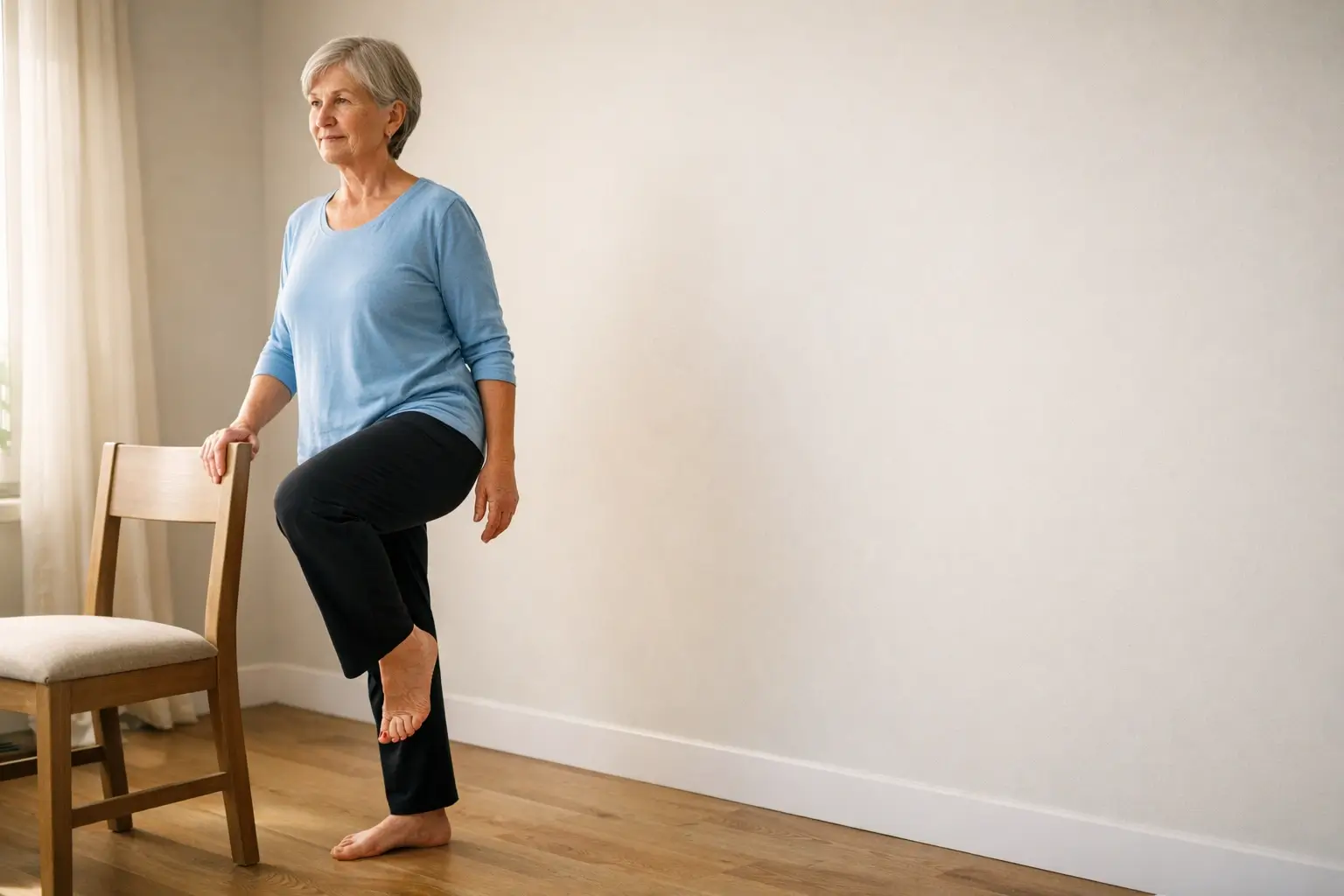
They can be a good fit, because short sessions feel more manageable. Guidance for older adults often supports daily movement, plus strength, balance, and flexibility at least twice weekly. Snack-sized strength and balance moves, like sit-to-stands and single-leg stands near a wall, can fit that goal without long workouts.
Keep a chair nearby for support.
Safety first.
What intensity should a 10-minute workout be?
Aim for mostly moderate intensity, where you can talk but not sing. Add short vigorous bursts once you feel ready, where talking becomes hard. Some guidance explains both levels and offers weekly targets for moderate and vigorous activity. If you train late, keep hard intervals away from bedtime if they keep you alert.
Most people do best with a mix.
Not every session needs to be hard.
How do I structure a 10-minute workout?
Use a simple 1–8–1 plan. Take 1 minute to warm up, move for 8 minutes, then cool down for 1 minute. Keep the moves simple so you don’t waste time thinking. Repeat a small set of exercises, or use brisk and easy intervals if you’re doing cardio.
Same structure, different options.
That’s what keeps it repeatable.
Can snack-sized workouts replace the gym completely?
For many people, they can cover the basics, especially when time is tight. You can hit cardio targets, build strength, and reduce sitting time with short sessions. Longer gym sessions can still help for specific goals, like heavier strength training. Snack-sized workouts work well as a default baseline.
If you love the gym, keep it.
If you don’t, you’re not stuck.




No Comment! Be the first one.