




Constipation and GI Side Effects: What Actually Helps (Non-hype)

Bad gut days mess with everything. Sleep gets choppy. Energy drops. Brain fog rolls in.
Then the internet throws ten different fixes at you. More fibre. Less fibre. A “cleanse”. A supplement stack. It’s a lot.
If you’re dealing with constipation and GI side effects, we can keep this simple. We’ll cover what counts, what to try first, how fast options tend to work, and when to stop self-care and call for help.
GI Side Effects: What Counts, and Why Constipation Shows Up
“GI side effects” means symptoms anywhere from your stomach to your rectum. The common ones are nausea and vomiting, diarrhea, and constipation.
Constipation often shows up with other GI symptoms for one boring reason. Your intake drops.
When you feel sick, you tend to eat less, drink less, and move less. That mix can dry out stool and slow your bowel movement.
Medicines can also play a big role. Cancer treatment, anti-sickness drugs, painkillers and opioids can all contribute.
Quick Self-Check: Are You Constipated or Is It Something More Serious?
Most constipation feels like fewer bowel movements, hard stools, straining, and bloating, sometimes with abdominal discomfort. Serious problems can look similar, so check red flags first: severe belly pain, swelling, vomiting, fever, black or bloody stool, or you can’t pass gas. If those show up, get medical advice now.
Common Constipation Symptoms
Start with the basics. Constipation often means it’s difficult or painful to have a bowel movement. You may feel bloated or uncomfortable.
Look for these patterns:
- Less frequent stools (poo), or nothing for days.
- Dry or hard stools.
- Straining, or that “urge but nothing passes” feeling.
- Abdominal pain, cramping, swelling, gas, distention, or rectal fullness.
A quick tool can help you describe stool without guesswork. The Bristol Stool Chart groups poo into seven types, from hard pellets to watery stool. It’s widely used in care settings, including NHS resources.
As a rough guide:
- Types 1–2 often fit constipation.
- Types 3–4 often look “typical”.
- Types 6–7 often fit diarrhea.
Red Flags (Don’t Self-Treat)
Some signs mean “call now”, not “wait and see”. Severe abdominal pain, cramping, swelling, vomiting, a temperature above 100.4°F, or black or bloody stool are urgent signals.
“Inability to pass gas” matters too. It can point to severe constipation or blockage.
If diarrhea is part of the picture, timing matters. During chemotherapy, contacting the hospital straight away is advised in cases like diarrhea at night, diarrhea more than 4 times in a day, or if anti-diarrhoea drugs don’t work within 24 hours.
The Non-Hype Plan (Step-by-Step)
Step 1: Basics That Actually Move the Needle
Start with tracking. A daily bowel diary helps you spot what’s changing and gives your pharmacist or GP something real to work with.
Keep it simple. Write down:
- When you last had a bowel movement.
- What the stool looked like (Bristol type works well).
- Pain, straining, bloating, nausea, vomiting, diarrhea.
- New meds (especially opioids or anti-sickness drugs).
Next, fluids. If you’re dry, poo gets dry.
Hydration is a first move. Aim for at least 2 litres a day in treatment settings, with a simple “eight cups a day” style target as a starting point.
Add gentle movement. A short walk, light stretches, or “move every few hours” can help bowel activity.
Try heat and routine. A warm or hot drink about 30 minutes before your usual toilet time can help. Quiet time and privacy also matter more than people think.
Now, fibre. Fibre helps some people, but timing matters.
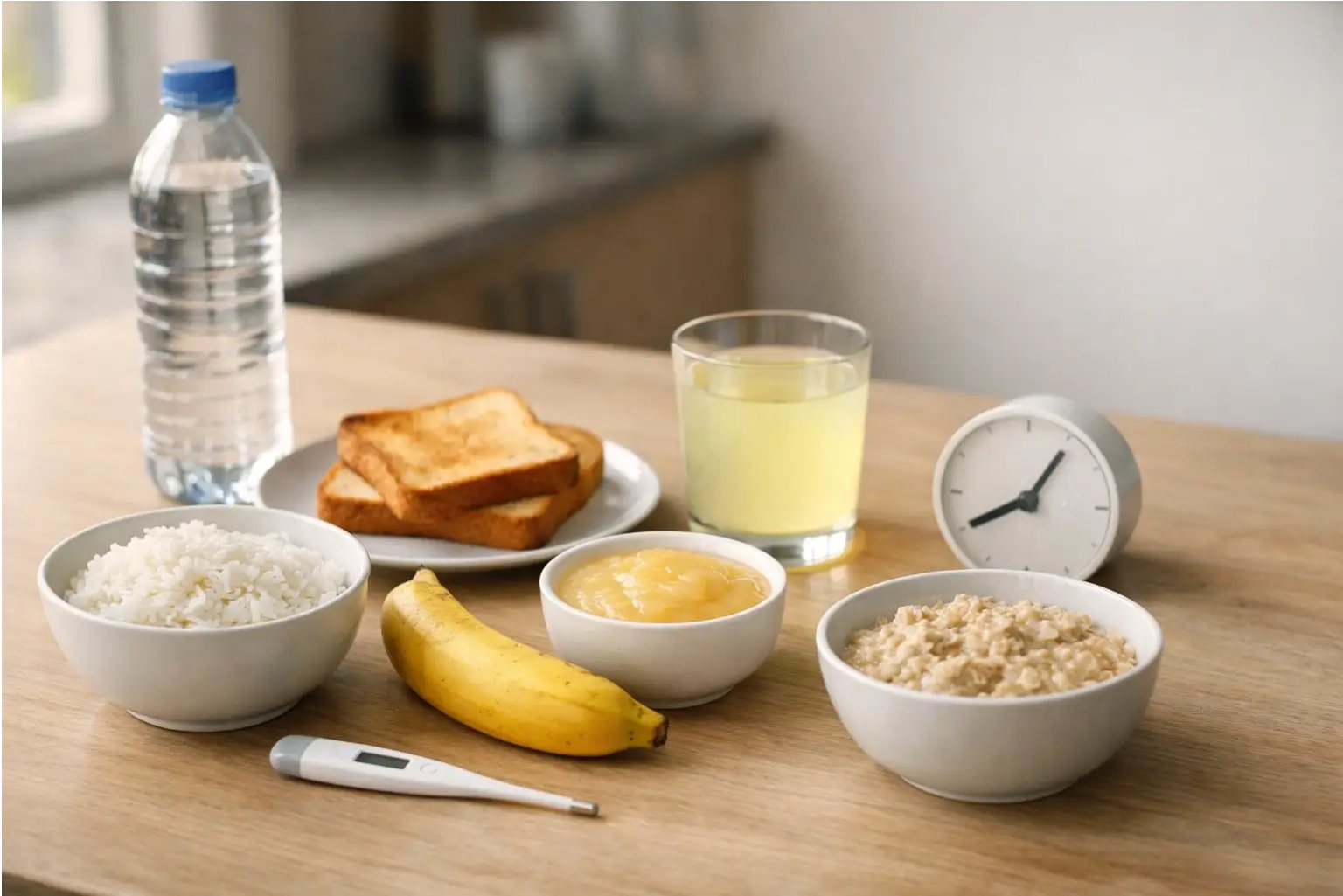
If you’re currently having diarrhea, high-fibre foods can backfire. During diarrhea, lean toward low-fibre foods like rice, toast, applesauce, and oats. Avoiding high-fibre foods can also help during diarrhea.
If diarrhea isn’t the main issue, bring fibre in slowly. High-fibre foods like whole grains, fruits, vegetables, and legumes are practical options, along with prunes or prune juice.
A Quick Note on Sleep and the Body Clock
Your gut keeps time. Research on circadian rhythms and the gut shows bowel activity tends to run lower at night and rise after waking and after meals.
That’s why a regular wake time can help. A steady morning routine — wake, drink, breakfast, toilet time — gives your gut a daily cue. Scheduling uninterrupted bathroom time before bed or when you wake up can make a real difference.
This matters if your sleep schedule is all over the place. When you’re tired, you move less, drink less, and your gut timing drifts. That’s a setup for constipation plus fatigue.
Step 2: OTC Options (How to Choose)
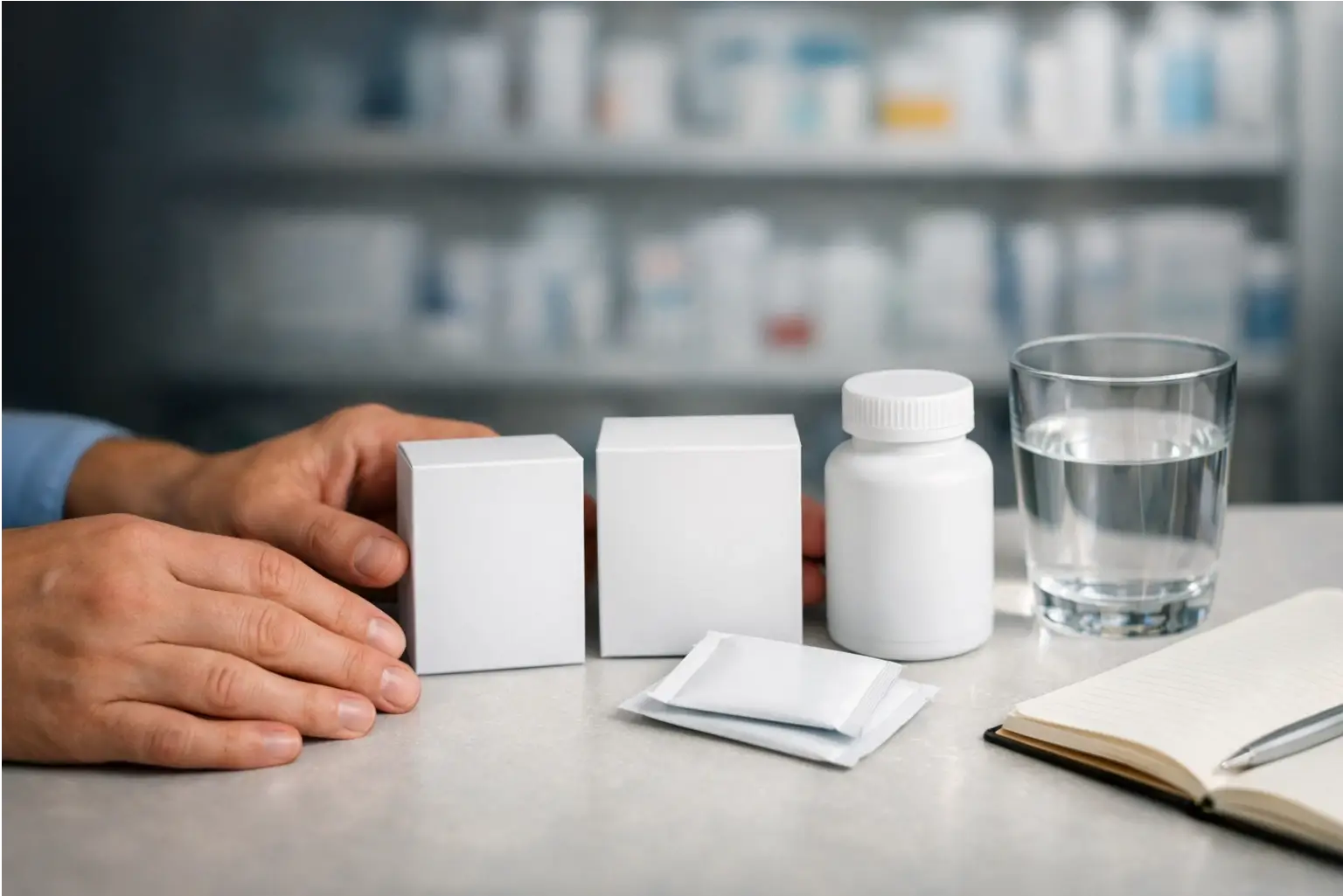
If lifestyle steps haven’t helped, OTC laxatives can make sense. Laxatives are sold in pharmacies and supermarkets, and can also be prescribed.
Pick based on what your poo is doing. Hard and dry often needs water pulled into the bowel. Soft but stuck often needs more movement.
Here’s the “how fast” view, without hype.
| Option | Best for | Typical onset | Key cautions |
|---|---|---|---|
| PEG / macrogol / polyethylene glycol | Hard stools, slow transit | 24–96 hours | Avoid with bowel obstruction. |
| Lactulose | Hard stools | 24–48 hours | Avoid with acute abdomen, fecal impaction, or bowel obstruction. |
| Senna / bisacodyl | “Nothing is moving” | 6–24 hours (oral) | Cramping risk; prolonged use can lead to dependency. |
| Bulk-forming (psyllium, methylcellulose) | Mild constipation with good hydration | 12–72 hours | Needs water; avoid if obstruction or impaction suspected; not advised for opioid-induced constipation. |
| Docusate (stool softener) | Add-on when stool is hard | Up to 3 days | Often not used alone; limited as a solo plan. |
A few extra safety notes matter:
- Magnesium laxatives can affect fluids and salts, and caution is advised with magnesium products in renal dysfunction.
- Sodium phosphate enemas can cause acute phosphate nephropathy.
- Mineral oil can cause problems in older adults due to aspiration risk, and it can interfere with absorption of vitamins and drugs.
Also, don’t treat laxatives like a daily vitamin. Ideally they’re occasional and for up to a week — taking them every day for constipation is not recommended.
Step 3: If You’re on Opioids (Opioid-Induced Constipation)
Opioids slow gut movement. That’s why opioid-induced constipation (OIC) can start fast.
Prevention is key. Opioid-induced constipation should be prevented, and bowel regimens should start when opioids are prescribed.
Skip bulk-forming fibre as your main fix. Bulk producers are not advised for opioid-induced constipation.
A common plan is an osmotic laxative plus a stimulant laxative. If that still doesn’t work, ask about prescription options.
Opioid-focused prescription choices include methylnaltrexone, naloxegol, and naldemedine, with the note that opioid antagonists should be used only if other drugs have failed and not used with bowel obstruction.
NICE guidance also supports naloxegol as an option for opioid-induced constipation in adults after an inadequate response to laxatives.
Other prescription options exist for chronic constipation patterns, like lubiprostone, linaclotide, and prucalopride, with specific contraindications around obstruction.
Step 4: Suspected Impaction (Don’t DIY This)
Impaction is different. Stool is stuck, often in the rectum or lower colon.
Here’s the tricky part. You can get diarrhea with constipation.
Stool can leak around an impaction, causing diarrhea that can be explosive, and it may come with nausea, vomiting, abdominal pain, and dehydration.
Treatment usually needs clinician support. Enemas may be used to soften and lubricate stool, though too many enemas can perforate the bowel, and digital disimpaction may be needed.
If you’re immunocompromised or at risk from cancer treatment, rectal steps can be unsafe. Rectal agents and rectal exams should be avoided in settings like thrombocytopenia, leukopenia, mucositis, and in immunocompromised patients.
Constipation + Diarrhea + Nausea: How to Handle Mixed GI Side Effects
Mixed symptoms feel unfair. One day it’s diarrhea. Next day it’s hard stools and bloating.
Start by naming what’s happening today. Diarrhea needs fluid replacement first.
Signs of dehydration during diarrhea are important to watch for. Aim for plenty of fluids — at least 2 litres a day during diarrhea in treatment settings — and avoid high-fibre foods in that phase.
Then look at nausea and vomiting. If you can’t keep liquids down for 24 hours, that’s a problem fast and a reason to contact your doctor.
Once diarrhea settles, constipation care can shift. That’s when gradual fibre plus fluids plus movement can make sense again.
Also check meds. Constipation can be caused by chemotherapy drugs, anti-sickness drugs, and painkillers.
Safety Notes That Build Trust
Stop and call for help if you have severe abdominal pain, cramping, swelling, vomiting, fever, black or bloody stool, or you can’t pass gas.
Use extra caution with rectal products. Suppositories and enemas should be avoided in immunocompromised patients and in certain cancer-treatment risk settings.
Don’t overuse laxatives. Daily use can be harmful — only use them occasionally and for up to a week unless supervised by a clinician.
Prevention (So This Doesn’t Keep Happening)
Prevention isn’t perfect. It’s just fewer “stuck days”.
Anchor your routine. Try to have a bowel movement at the same time every day and schedule bathroom time before bed or when you wake up.
Keep fluids steady. A “2 litres” daily target is a clear, real-life marker many people can work toward, unless a clinician has told you to limit fluids.
Use food that’s boring but useful. Prunes or prune juice before bed can help some people have a bowel movement the next morning, and cutting back on processed foods can help too.
Move daily, even a little. A short walk can be enough to nudge gut movement, especially on days when fatigue makes everything feel heavy.
If your sleep schedule is irregular, start with one rule: keep wake-up time steady. Gut motility follows a daily rhythm, and bowel activity tends to rise after waking and meals.
FAQs
Can Constipation Cause Nausea and Vomiting?
Yes. Constipation can come with nausea and vomiting, especially when stool builds up and the bowel gets stretched. Vomiting is a possible constipation symptom, and nausea and vomiting can also appear with stool leakage around an impaction. If vomiting is severe or you can’t keep fluids down, get medical advice.
How Many Days Without a Bowel Movement Is “Too Long”?
There’s no single number for everyone, but a change from your usual pattern matters. Constipation is often framed as difficulty or pain with bowel movements, with “less frequent bowel movements” plus hard stools and swelling as key signs. If symptoms worsen, don’t wait it out, especially with red flags.
What Are the Red Flags for Bowel Obstruction or Severe Constipation?
Treat these as urgent: severe belly pain, cramping, swelling or distention, vomiting, fever, black or bloody stool, or you can’t pass gas. These are reasons to report constipation immediately. If you’re also severely bloated or confused, or you suspect impaction, contact urgent care.
What Laxative Works Fastest?
Fast depends on form. Stimulant laxatives can work in 6 to 12 hours. By mouth, stimulant laxatives typically work in 6 to 24 hours, and bisacodyl suppositories in about 0.25 to 1 hour. Faster isn’t always better if there’s severe pain or blockage risk.
Is PEG (Macrogol) Better Than Lactulose?
They do similar jobs: both draw water into stool so it’s easier to pass. Lactulose onset is typically around 24 to 48 hours and PEG onset around 24 to 96 hours. Macrogol is grouped under osmotic laxatives alongside lactulose. Choice often comes down to tolerance, advice, and your symptom pattern.
Should You Increase Fibre If You’re Bloated?
Maybe, but go slow. Fibre can help constipation, yet it can also worsen bloating for some people, especially without enough fluids. Bran and fibre can sometimes make bloating worse. Bulk-forming agents must also be taken with plenty of water to reduce obstruction risk.
Why Do Opioids Cause Constipation, and What Should You Take With Them?
Opioids slow gut movement, so stool stays longer in the bowel and dries out. Opioid-induced constipation should be prevented, and bowel regimens should start when opioids are prescribed. Bulk-forming agents aren’t advised for opioid-induced constipation, so ask about other options early.
When Should You Ask About Naloxegol, Methylnaltrexone, or Naldemedine?
Ask when standard laxatives haven’t worked. Opioid antagonists like methylnaltrexone, naloxegol, and naldemedine are used when other drugs have failed, and are not used with bowel obstruction. Naloxegol is also supported for adults with opioid-induced constipation after an inadequate response to laxatives.
Can Diarrhea Happen With Constipation (Overflow Diarrhea)?
Yes, and it’s easy to miss. Stool can get stuck, then liquid stool leaks around it. That can look like sudden diarrhea, sometimes with nausea, vomiting, abdominal pain, and dehydration. If you suspect this, don’t keep taking random anti-diarrhoea products without advice.
Are Enemas Safe? When Should They Be Avoided?
Enemas can help soften stool in impaction, but they’re not risk-free. Too many enemas may perforate the bowel. Rectal agents should also be avoided in certain cancer-treatment risk settings and in immunocompromised patients. If you’re unsure, ask a clinician before using rectal products.
What Foods Help Constipation Without Internet Hype?
Think simple and steady: more water, more whole foods, and a regular eating pattern. Limiting processed foods and eating high-fibre foods like whole grains, fruits, vegetables, and legumes is a solid start. Prunes or prune juice can help some people the next morning. Small, regular meals can also be easier on nausea.
What Should You Eat and Drink If You Have Diarrhea During Treatment?
Keep fluids up first. Aim for plenty of fluids and lean toward low-fibre foods like rice, toast, applesauce, and oatmeal during diarrhea. Drink at least 2 litres a day and avoid high-fat, high-fibre foods, alcohol, and caffeine in that phase. If diarrhea lasts over 24 hours, contact your care team.




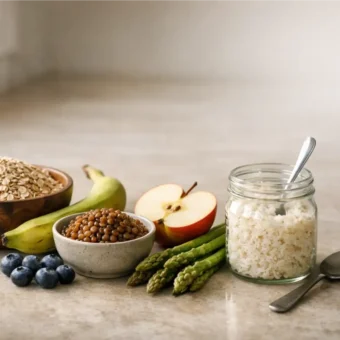

[…] Constipation and GI Side Effects: What Actually Helps (Non-hype) […]
[…] is generally well tolerated at standard doses. Common fenugreek side effects include digestive discomfort, loose stools, and a harmless maple syrup-like body odour. People with […]
[…] yes. Side effects and interactions depend on the real ingredients and your health […]