




Predictions for 2026: What Everyday People Are Actually Worried About (and What to Watch Next)
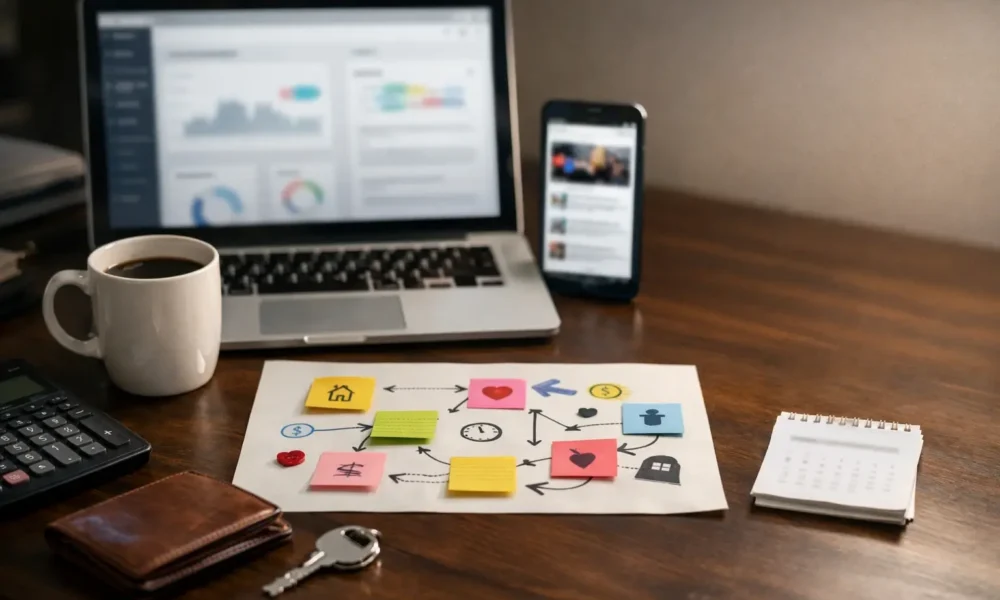
If you’ve searched “predictions for 2026”, you’ve likely seen big timelines and bold 2026 trends. Then you close the tab and still feel stuck. Because your real question is simpler: what will happen in 2026 to normal life, and what should you do about it?
I get the overload. Online advice can be loud, fast, and often wrong. So in this 2026 outlook, I’m sticking to what people say they worry about, plus a few signals to watch that show up in real life.
This article is general information, not personalised advice. Details can change depending on context, and what works for one person may not work for another.
The “worry map” for 2026 (what surveys say matters most)
Prediction lists often read like a sci-fi calendar. Quantumrun, for example, runs a future timeline of “by 2026” scenarios. That can be fun, but it skips the bits you feel on a Tuesday.
Polling helps with the human side. Ipsos tracks what people expect next year and what they worry about day to day. It’s not fate. It’s a snapshot of mood and pressure points.
Here’s the simple “year ahead” map I see again and again:
- Cost of living: inflation, rising prices, grocery prices, energy bills
- Money fear: recession talk, disposable income, affordability, budgets
- Work fear: layoffs, automation, generative AI, skills gap, reskilling
- Safety fear: crime and violence, fraud, scams, phishing, vishing, identity theft
- Truth fear: misinformation, disinformation, deepfakes, AI impersonation
- Weather fear: floods, heatwaves, more extreme weather events
- Social strain: immigration, public services, protests, riots, terrorism risk
UK snapshot: what people want fixed first (YouGov)
In early January 2026, YouGov asked Britons what the government’s top priority should be. Immigration was the most common answer, followed by cost of living and the economy. The NHS and climate change also appear, but at lower levels in that specific “number one priority” question.
Money anxiety: inflation, recession vibes, and “will I be worse off?”
This is the big one because it touches everything. Even when inflation slows, you can still feel broke. Prices can stay high even if they rise more slowly.
Ipsos found people split on whether their disposable income will be higher in 2026 than in 2025. That split matters, because it shapes how safe you feel spending.
What “easing inflation” still feels like at checkout
“Inflation falling” can sound like prices will drop. Most of the time, it means prices rise less quickly. So the checkout total may still sting, just not worse every month.
That’s why grocery prices and energy bills keep showing up in worry talk. They’re weekly reminders, not abstract charts. If you’re trying to plan a budget, that uncertainty is the stress.
Housing: mortgages, rent, and the affordability squeeze
Housing is where forecasts meet real pain. A base rate move can change mortgage rates and rent pressure. It also shapes how confident landlords and buyers feel.
PwC’s UK 2026 forecast includes slower inflation and a small drop in the Bank of England base rate, plus modest house price growth. That may sound calm on paper, but households often feel it late, and unevenly.
Work anxiety: AI, job security, and the skills scramble
When people say “AI”, they often mean “will my job still exist?” That fear isn’t rare. In Ipsos’ Predictions Survey 2026, two-thirds said AI will lead to many new jobs being lost in their country.
At the same time, some people expect new jobs too. Ipsos also reports a sizable share who think AI will create many new jobs. That’s why the most useful view is “both can be true.”
Jobs that feel most exposed
Think of tasks, not titles. Jobs with repeatable work, basic sorting, or high-volume replies can feel more exposed. So do roles where a first draft is most of the work.
People also worry about the first rung on the ladder. If entry-level tasks get automated, it can be harder to build experience. That shows up as anxiety even for people who feel safe today.
The “skills moat” people are building in 2026
You don’t need to be a tech expert to respond. You need a plan that fits normal time and energy. For many people, that plan is: learn enough to work with AI tools, and double down on what humans do well.
In plain terms, the “skills moat” looks like this: clear writing, checking facts, learning a domain, handling people, and making good judgement calls. It’s less about a single course and more about steady reskilling.
Safety anxiety: crime, scams, and the deepfake era
Safety fears are not only about street crime. They’re also about fraud, scams, and account takeovers. That’s because fraud can hit you at home, through your phone, in minutes.
ONS data for England and Wales shows fraud is a huge part of the headline crime picture. The Crime Survey for England and Wales estimated millions of fraud incidents in the year ending September 2025.
“Trust but verify” becomes a life skill
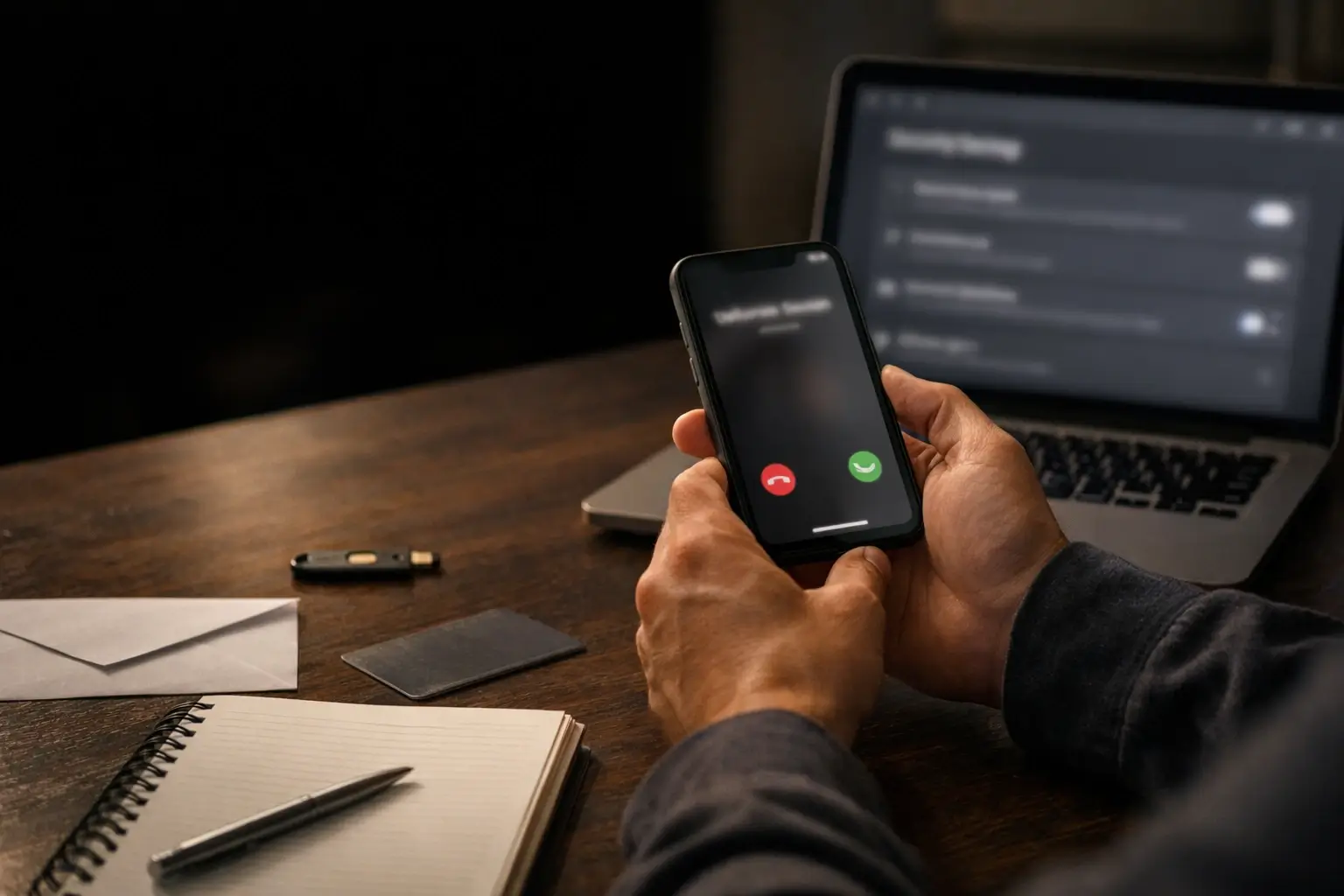
“Vishing” means voice phishing. It’s when someone calls and tries to trick you into giving details or moving money. The FBI has warned that malicious messaging schemes have used AI-generated voice messages in vishing attempts.
This is where simple rules beat panic. Use call-backs to a known number, turn on two-factor authentication (2FA), and pause before bank transfers. Treat urgency as a warning sign, not a reason to rush.
Truth anxiety: misinformation, disinformation, and who to trust
“Misinformation” is false info shared without meaning harm. “Disinformation” is false info shared on purpose. Either way, it can mess with your judgement fast.
The World Economic Forum’s Global Risks Report 2026 lists misinformation and disinformation among the top near-term risks, with cyber insecurity also high on the list. That matters because it makes everyday trust harder.
What the “trust economy” means in plain English
It’s simple: trust becomes a practical tool, not a feeling. You look for signals like clear sourcing, consistent track records, and real-world checks. You also rely more on people and places you can verify.
This is where “deepfakes” come in. A deepfake is a realistic fake video or audio that mimics a real person. The goal is often confusion, not just comedy.
Climate anxiety: extreme weather stops being “rare”
Weather fear is no longer only about distant places. It’s about floods, heatwaves, travel disruption, and insurance costs. It’s also about how often “once in a decade” events feel like they’re happening.
In the Ipsos Predictions 2026 report, about two-thirds expected more extreme weather events in their country in 2026 than in 2025. That expectation alone changes how people plan.
What households change first
People change plans before they change politics. They check travel windows, consider home heat and flood risk, and look at insurance renewals. They also keep basic supplies, because the first day of disruption is usually the hardest.
None of this needs to be dramatic. It’s closer to packing an umbrella because the forecast looks unstable. Small habits add resilience.
Society anxiety: immigration, public services, unrest, and “what’s next?”
In the UK, public debate often circles around immigration and public services. YouGov’s “top priority” results show immigration, cost of living, and the economy leading that list. The NHS also sits in that mix, even if fewer people wrote it as their single top issue.
Globally, Ipsos also asked about unrest and terrorism risk. A majority expected large-scale public unrest like protests or riots in their country, and a notable minority expected a major terrorist attack. These are not predictions of certainty. They’re signals of public unease.
The 2026 “signals dashboard” (simple indicators you can check)
If you want to feel less lost, watch a few simple indicators. Not every headline matters. But these can hint at which 2026 scenarios are more likely.
| Worry | Signals to watch | Where it shows up in daily life |
|---|---|---|
| Cost of living | inflation trend, food prices, energy bills | supermarket totals, direct debit changes |
| Housing | mortgage rates, rent rises, base rate talk | renewals, moving costs, landlord emails |
| Jobs | unemployment trend, layoff news in your sector | hiring freezes, fewer shifts, slower replies |
| Scams | fraud alerts, new scam patterns, AI voice tricks | odd calls, urgent texts, fake “support” |
| Online trust | big misinformation spikes, deepfake clips | group chats, school rumours, local Facebook groups |
| Extreme weather | flood and heat alerts, insurance price changes | travel delays, home repairs, higher premiums |
| Public services | NHS waiting time headlines, local service cuts | appointments, school support, council updates |
For UK economics, PwC’s 2026 forecast gives a useful reference point on inflation and interest rates, even if outcomes can change. For scams and impersonation, the FBI alerts show the kinds of methods criminals try.
What to do next (without panic): a practical 2026 playbook
Most people don’t need a full life reset. They need a short plan that cuts stress and reduces risk. Think “small buffers” and “simple checks.”
This week
- Turn on 2FA for email and banking.
- Set a family call-back rule for money requests.
- Pick one news source you trust and stick to it.
This month
- Do a 30-minute budget check and list your fixed bills.
- Update your CV and write a one-paragraph skills plan.
- Review your insurance renewals and contact details.
This year
- Build one useful skill for work, even if it’s basic AI literacy.
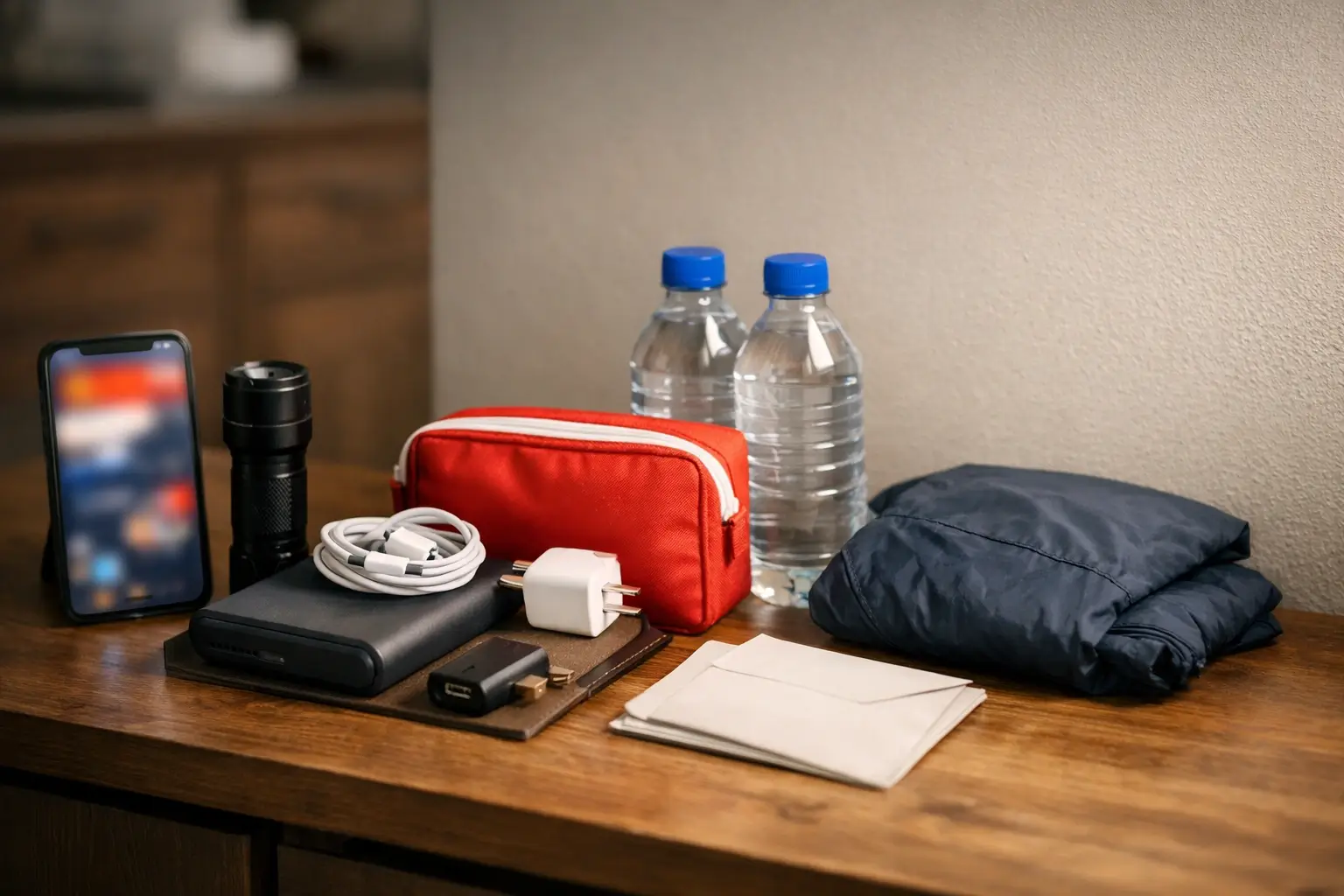
- Keep a small household buffer for disruption, like a spare charger and a torch.
- Teach kids a simple rule: “pause, check, ask an adult” for scary online claims.
FAQs
What are the biggest predictions for 2026 overall?
Most 2026 predictions cluster around money pressure, job change linked to AI, rising scam risk, weaker trust online, and more extreme weather. Many timelines cover big topics, but everyday worries tend to stay practical: bills, safety, and whether information and institutions feel reliable. Ipsos and the WEF both point to AI, information quality, and climate-related concerns as core themes.
What will people be most worried about in 2026?
People often worry most about cost of living, crime, and feeling less secure than last year. These worries show up in polling as inflation and rising prices, plus safety fears linked to fraud and scams. The details vary by country, but the pattern is steady across many places. Ipsos’ “What Worries the World” tracker shows crime and inflation near the top in recent waves.
Will inflation go down in 2026? What does that mean for households?
Inflation can ease while life still feels expensive. A slower rate of price rises does not always mean prices fall. It can mean your bills rise less quickly, but you still pay “new normal” prices. Households tend to feel change later than forecasts. PwC’s UK outlook projects inflation easing toward the 2% target area in 2026.
Is a recession likely in 2026?
Recession risk is hard to call because it depends on growth, jobs, and confidence. Some people expect a downturn, others do not. What matters for most households is not the label, but whether wages keep up, hours stay stable, and bills rise faster than income. Ipsos tracks public expectations around markets and disposable income as part of its year-ahead survey.
Will AI take jobs in 2026? Which jobs are most at risk?
Many people think AI will replace some work in 2026, especially tasks that are repeatable and easy to standardise. That does not mean every job disappears. It often means fewer entry-level tasks, different tools at work, and more pressure to learn new skills quickly. Ipsos reports 67% expecting AI to lead to many jobs being lost in their country.
How do I protect my family from AI voice scams and deepfakes?
Use simple habits: pause, verify, and call back. Set a family rule that money requests never get handled from a surprise call or text. Use two-factor authentication, keep passwords private, and treat urgent pressure as a warning sign. Most scams rely on speed and panic. The FBI has warned about schemes using AI-generated voice messages in vishing.
Why does misinformation feel worse, and what should I trust?
Misinformation spreads faster when people share before checking, and when content is easy to fake. Your best defence is a small “trust routine”: check the source, look for a second reliable outlet, and avoid sharing items that trigger instant anger or fear. This is about habits, not IQ. The WEF’s 2026 risks digest flags misinformation and disinformation as a major near-term risk.
What’s the UK public’s top priority for 2026?
In YouGov’s early January 2026 findings, immigration was the most common “number one priority” named by Britons. Cost of living and the economy followed. The NHS and climate change also appear, but fewer people chose them as their single top issue in that specific question format.
Will extreme weather get worse in 2026?
No one can promise what your town will face, but more people expect disruption. Many expect temperatures to rise and extreme weather events to be more common in their country in 2026 than in 2025. For households, the practical point is planning for heat, flooding, and travel delays. Ipsos reports 69% expecting more extreme weather events in their country next year.
What “signals” should I watch to see if 2026 is improving or worsening?
Watch a small set of signals: inflation and food prices, interest rates, job stability in your sector, scam alerts, and local weather warnings. These often show change before politicians or social media do. If you track too many things, you get noise and more stress. PwC’s UK outlook and FBI scam alerts are useful reference points for rates and fraud patterns.
How can I stay safe online without quitting the internet?
You don’t need to disappear. You need safer defaults: privacy settings, strong passwords, two-factor authentication, and a habit of not clicking under pressure. Keep messages about money, codes, or “urgent help” in a separate mental bucket. Treat them as suspicious until checked. ONS shows fraud is a major part of overall crime in England and Wales, which is why online habits matter.
What are “friendshoring” and tariffs, and why do they affect prices?
Tariffs are taxes on imports, and they can raise prices for goods that cross borders. Friendshoring means moving supply chains toward countries seen as trusted partners. Both can change how fast products arrive and how much they cost. You feel it through prices and shortages, not the jargon. Price changes tied to trade and supply chains often show up in macro forecasts and business outlooks.
Are people optimistic about 2026 being better than 2025?
People are mixed. Many expect some areas to improve, while still worrying about jobs, safety, and weather disruption. That mix is normal after years of high prices and fast tech change. The helpful move is to separate what you can control this month from what you cannot. Ipsos’ year-ahead survey shows splits on disposable income and public safety expectations.
What’s the simplest way to reduce my risk of scams in 2026?
Slow down. Most scams work because they push speed, secrecy, and urgency. Use call-backs, never share one-time codes, and do not move conversations to unfamiliar apps just because someone asks. One good rule helps: no money decisions happen while you feel rushed or scared. The FBI alert describes how impersonators try to move targets onto encrypted messaging apps quickly.
How should parents talk about AI, deepfakes, and online trust?
Keep it plain and calm. Explain that some videos and voices can be faked, and that sharing fast can hurt people. Give kids a simple script: pause, do not forward, and ask a trusted adult. Practice with examples, like spotting odd requests or scary rumours in group chats. WEF highlights information integrity risks, which supports teaching basic checking habits early.








[…] When a film’s post-credits scene matters, we’ll flag it as “Spoiler zone,” and we’ll keep the details light. The goal is clarity, not ruining your next watch. […]
[…] his family moved there. Radio Times and People both treat Colorado and the Rockies clue as the finale’s main “where next” […]
[…] you’re stuck between those takes, you’re not alone. Most people feel the same mix of confusion and worry. They don’t want a lawsuit, a takedown, or a costly […]
[…] design (UD) isn’t “medical” design. It’s everyday design that works for more people, more of the […]
[…] people are fine with 6GB to 8GB of RAM for everyday use in 2026, but heavy multitasking and gaming can […]