



Quietcation Destinations: Best Places for Silent Travel in 2026
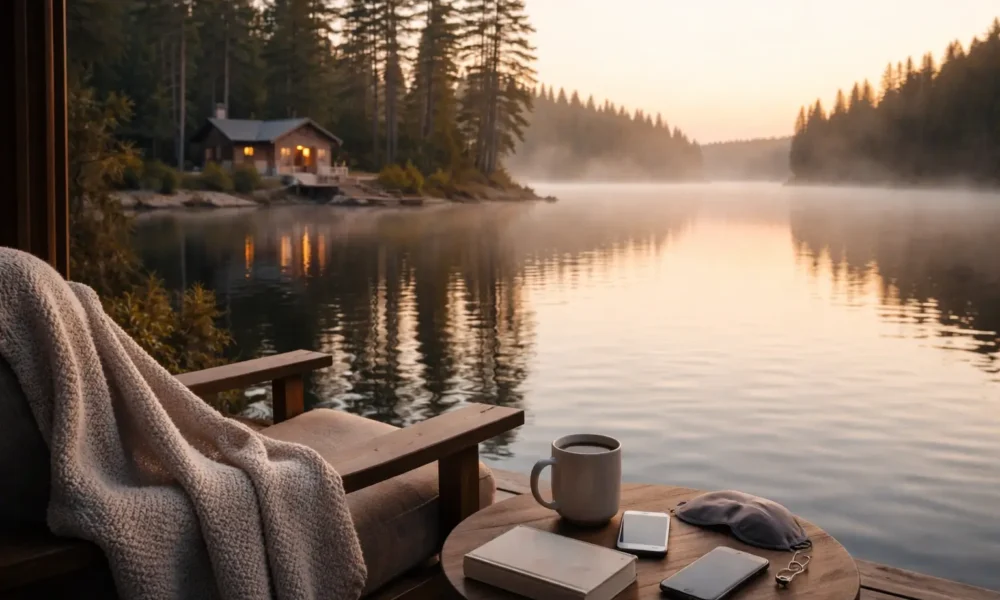
If your last trip felt like work, you’re not alone. You’ve got tabs open, “must-do” lists, and that low-key panic that you’ll waste money. A quietcation flips that. It’s silent travel with fewer choices, fewer crowds, and more room to breathe.
I’m writing this for the person who wants calm travel without guessing. We’ll keep it simple: where to go, what to do, what to skip, and how to keep the trip quiet on purpose.
What is a quietcation (and why 2026 is peak “quiet travel”)?
A quietcation is a trip built around silence and low stimulation. You pick places with fewer crowds, less traffic, and little or no nightlife. You also plan fewer activities, so you can unplug, recharge, and stop feeling “switched on” all day.
In 2026, “peace and quiet” isn’t a cute bonus. It’s showing up as a real travel driver, alongside crowd fatigue and overtourism.
A quietcation can be WiFi-free, tech-free, or just “phone-light.” The point isn’t perfection. It’s rest and reset, without sensory overload.
Quietcation vs slow travel vs calmcation
Quietcation: silence first. Less noise, fewer plans, more recovery. Slow travel: time-rich travel. Stay longer, move less, go deeper. Calmcation: a resort-style version of calm, often with quiet zones and digital detox cabins.
You’ll also hear “hushpitality.” That’s when hotels design for quiet, with fewer intrusions and calmer spaces.
How to choose a quietcation destination (the Quiet Score)
Some places look calm online. Then you arrive and it’s scooters, queues, and construction. I use a quick “Quiet Score” so you don’t have to guess.
The 6 quiet signals (quick checklist)
Score each one 0–2. Higher total means quieter days.
- Crowds: shoulder season, smaller towns, low tourism areas.
- Noise: no party scene, limited traffic, fewer late bars.
- Nature access: forests, lakes, coastline edges, mountains, big skies.
- Stay style: eco-lodge, secluded cabin, off-grid cabin, guesthouse, homestay, glamping.
- Connectivity: limited signal or intentional digital detox.
- Pace: walkability and “one activity per day” living.
Proof points a place is genuinely quiet
Look for quiet hours, quiet rooms, or quiet zones. If a stay talks about sleep, sound, and calm spaces, that’s a green flag.
Want a nerdy check? Quiet Parks research often targets background noise around 45 decibels, roughly “library-level” sound.
Best quietcation destinations in 2026 (grouped by travel style)
I’ve picked these for one reason. They make it easy to do less, with less noise, and fewer crowds.
Forest + lake quietcations (nature immersion + shinrin-yoku)
Småland, Sweden
This is lakes, pine forests, and sleepy villages. Olive Magazine flags it as a quietcation idea, and it fits the “slow mornings” brief perfectly. Stay in a cabin or small guesthouse, then plan one anchor thing: a mindful walk, a sauna, or a simple market run.
Hokkaido, Japan
Think wide landscapes and calmer rhythms away from Japan’s biggest city crush. It’s a strong pick for forest bathing (shinrin-yoku) and onsen time. Best move: choose a base near nature, not a busy station hub.
Hot springs + bathhouse quietcations (onsen, sauna, hammam)
Noto Peninsula, Japan
Noto is built for quiet: rural coastline, small communities, and slow food. Travel writers tie it to quietcations and slower living, with hot springs and local meals. Plan around daylight: coastal walks, a soak, and an early dinner.
Sedona, Arizona (US)
Sedona comes up often in “peaceful getaway” lists because nature sets the pace. Use it as a “sound-off” base: early trails, long lunches, and low-key evenings.
Island quietcations (no party scene, slow beaches)
Koh Yao Noi, Thailand
This one keeps the volume down: no party scene, limited traffic, and a slower island routine. It’s named as a 2026 quietcation pick for exactly that vibe. Do the simple stuff: sunrise, a quiet beach, mangrove kayaking, and reading.
Isle of Mull, Scotland
Mull is a UK-friendly quietcation move when you want sea air and less fuss. Olive Magazine highlights it as a calm, food-led escape. Go midweek if you can, and book a stay away from the main harbour strip.
“Beyond the old town” cultural quietcations (stay longer, go wider)
Hoi An, Vietnam (outside the old town)
Hoi An gets busy in the centre, fast. The quieter play is the edges: rice paddies, village lanes, and slower days by bike. Pick a homestay or guesthouse outside the old town, then keep evenings simple.
Luang Prabang (Laos)
It’s often framed as calm and riverside, with an easy pace for slow travel. It’s also listed as a quietcation-style pick in Asia trend coverage. Start early, rest midday, and skip late-night plans.
Vineyard + countryside quietcations (slow food + long lunches)
Assignan, Hérault (France)
This is “countryside first.” Olive Magazine includes it for quietcation vibes, and it suits slow meals and local markets. Stay in a small place, walk when you can, and keep driving minimal.
Paarl, South Africa
Wine country can be calm if you stay outside the loudest weekends. It’s on Olive’s quietcation list for food-led slow travel. Book tastings earlier in the day, then leave space for naps and long dinners.
Wellness-retreat quietcations (structured calm)
Yogyakarta, Indonesia (retreat-style stay)
Garrya promotes a quietcation-style “mindful retreat” with options like sound healing, spa time, and private yoga. This works if you want calm with gentle structure, not decision fatigue.
Eremito, Italy (monastic-style quiet)
ELLE points to Eremito as a “monastic silence” style escape. It’s a strong fit if you want fewer words, fewer people, and more stillness.
Dark-sky quietcations (night calm + stargazing)
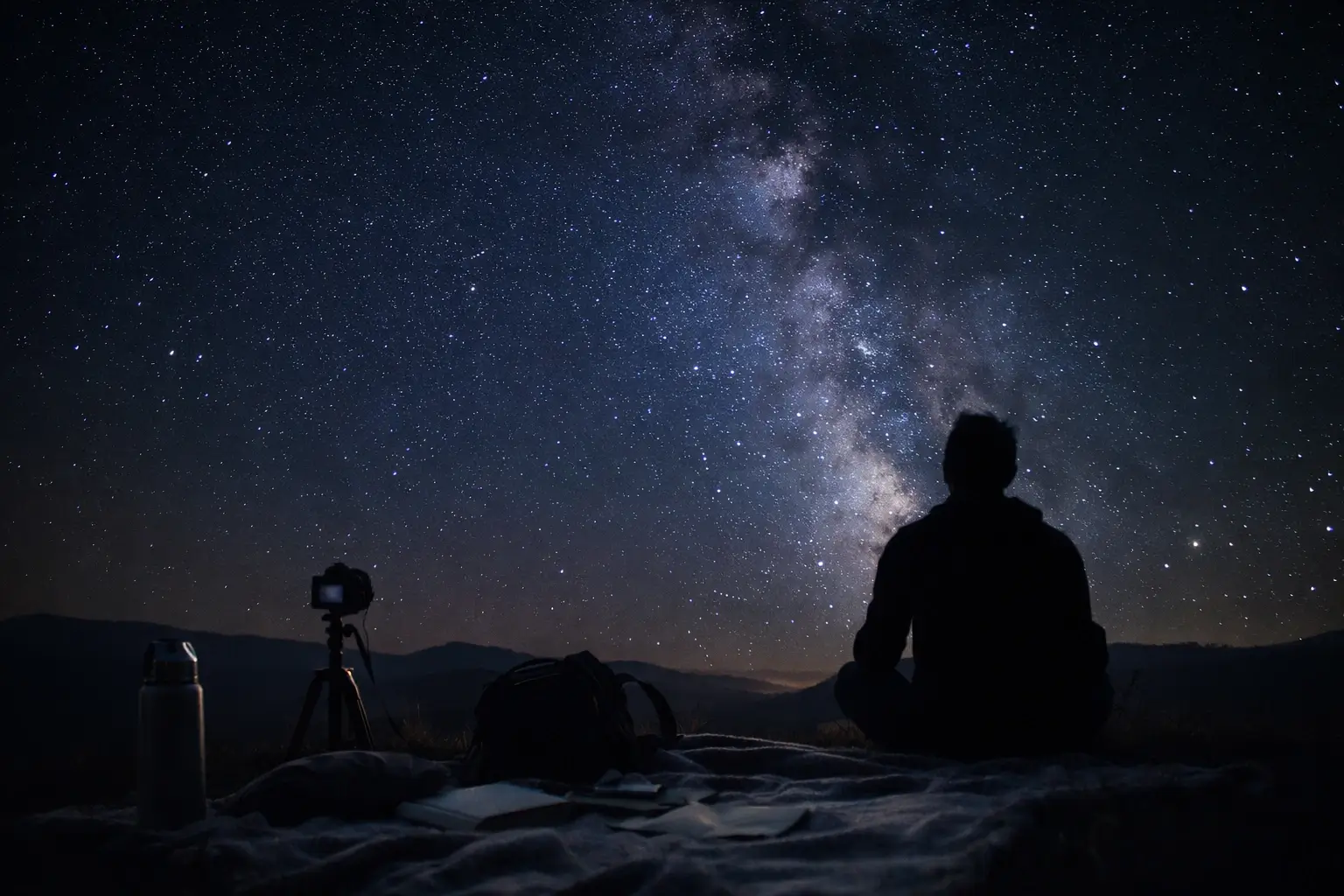
Stargazing counts when it pulls you out of scroll-mode. Cambridge’s new-words note links quietcation talk with mindful, slow travel, and dark-sky nights fit that “less noise, more nature” feel.
If you want the “quiet” to feel real, pick a place where nights are dark and days are simple. Then keep your plans light: one sunset spot, one stargazing night, done.
How to actually do a quietcation (even if your destination isn’t remote)
A quietcation isn’t only for off-the-grid cabins. It’s mostly rules you set, then keep.
The “one plan per day” rule + decompression nights
Good Housekeeping’s take is simple: you can use quietcation principles anywhere. I do “one anchor plan per day,” then protect the rest. I also build in a decompression night at the start, so the trip doesn’t begin in a rush.
Quietcation activities that actually work
Journaling helps because it slows your brain down. Forest bathing (shinrin-yoku), mindful walks, and breathwork do the same job, without needing gear. Add warm-water soaking if you can: onsen, sauna, or hammam time counts as doing something, while still resting.
Practical planning (money, timing, packing, safety)
This is where trips fall apart. Not because you chose “wrong.” Because you didn’t set the boring basics.
Budget tiers (DIY quietcation vs retreat)
DIY quietcation: guesthouse, homestay, simple meals, slow days. Mid-range quietcation: small eco-lodge, glamping, light guided nature time. Retreat quietcation: spa resort, silent retreat, structured wellness blocks.
When to go (and how to dodge crowds)
Aim for shoulder season. Pick midweek travel days when you can. Avoid festival weeks, school holiday peaks, and the “one big viewpoint” everyone hits at 11am.
Packing list for digital detox (without losing your mind)
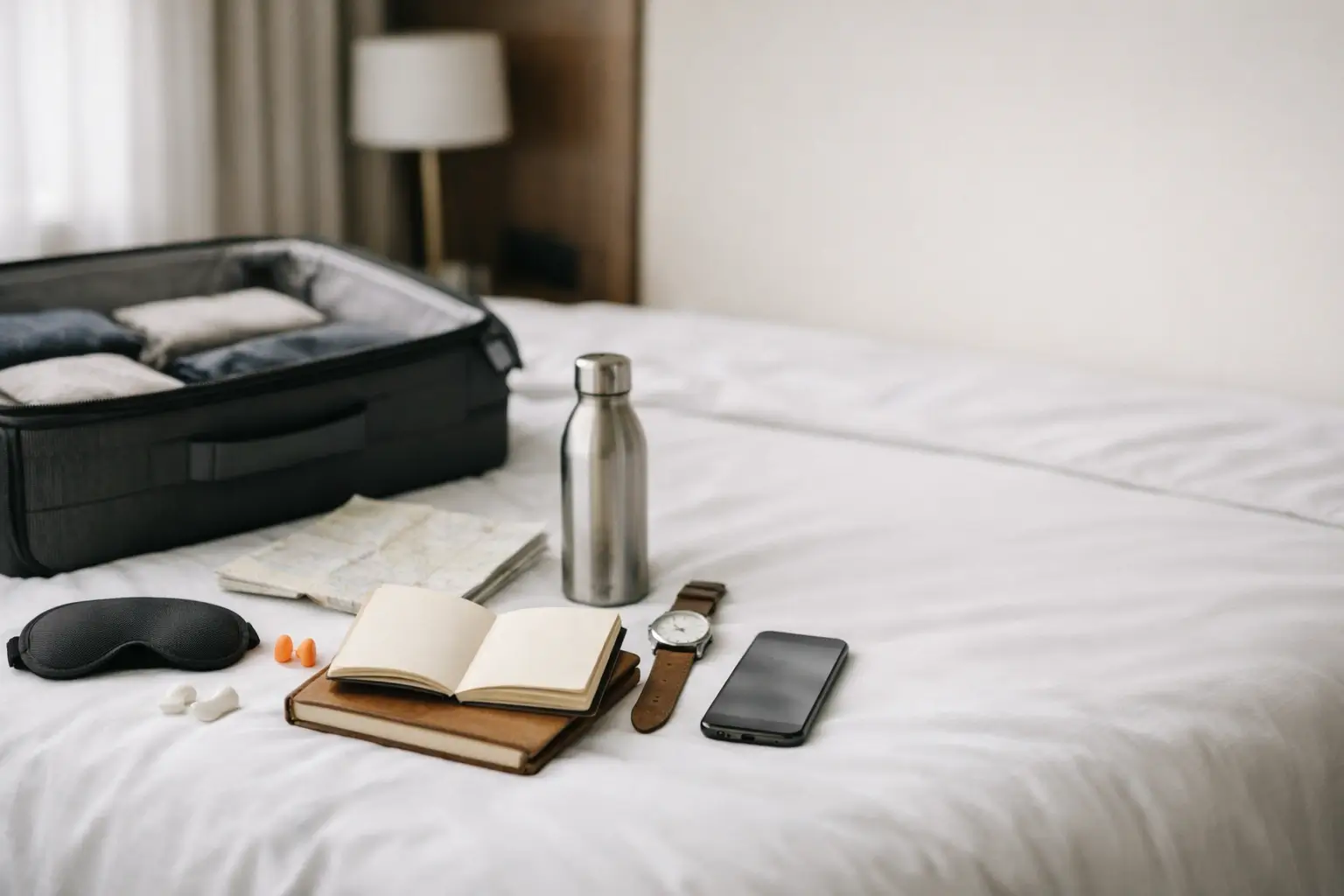
Bring: earplugs, an eye mask, a paper book, and offline maps. Set your phone to grayscale, and turn off non-essential alerts. Keep your ticket apps, then stop there.
Safety + travel insurance checklist
Quiet often means remote, and remote means fewer back-up options. Travel insurance matters more when you’re far from big hospitals, or your plans rely on one ferry, one road, or one small airport. Look for trip cancellation, medical cover, and emergency help, then save the numbers offline.
FAQs
What is a quietcation?
A quietcation is a holiday focused on silence and recovery. It swaps packed schedules for slow travel, calmer days, and less noise. Many people use it to unplug from tech, reduce sensory overload, and feel rested again, even if they only travel for a long weekend.
Quietcation vs slow travel: what’s the difference?
Slow travel is about time and pace, like staying longer and moving less. A quietcation is about sound and stimulation, like fewer crowds, less nightlife, and more calm. You can do both at once, but a quietcation puts silence first, every day.
How do I pick a destination that’s actually quiet?
Use a quick Quiet Score: crowds, noise, nature access, stay style, connectivity, and pace. Then look for proof like quiet hours, quiet zones, or stays designed for calm. If you want a hard number, Quiet Parks research often targets background noise around 45 decibels.
Are quietcations only for luxury retreats?
No. A quietcation can be a simple guesthouse, a cabin, or a small homestay. The key is how you plan: fewer activities, slower mornings, and clear phone boundaries. Even mainstream travel coverage says you can use quietcation principles on any trip, not only retreats.
How long should a quietcation be?
Forty-eight hours can work if you protect the first night and keep plans light. Three to five days feels easier because your body stops rushing by day two. A week is ideal if you want a full rest and reset rhythm, with “one plan per day” pacing.
What should I pack for a digital detox trip?
Pack for comfort and offline backup: earplugs, eye mask, a book, and offline maps. Keep your phone for tickets and safety, but turn off non-essential alerts. Quietcation trips often include WiFi-free stays or set digital detox hours, so plan around that.
Can stargazing count as a quietcation?
Yes, if you keep the pace slow and the nights dark. Stargazing fits the same “less noise, more nature” idea, especially in places with low light and low traffic. Quiet travel trends also link to night-focused calm like noctourism and dark-sky experiences.
Do I need travel insurance for a quietcation?
If you’re going remote, it’s smart. Quietcations often mean ferries, rural roads, or smaller towns with fewer services. Travel insurance can cover medical help, cancellations, and emergency support if weather or transport changes your plan. It’s a safety net, not a sales pitch.





[…] usually comes from a mismatch between travel demand and destination capacity. Peak season stacks everyone into the same weeks, day trippers flood in, and cruise […]
[…] means travelling to real-life places you’ve seen on screen, from TV tourism to movie tourism. A set-jetter picks filming locations, […]
[…] travel means leaving a place better than you found it, through your stay, your spend, and your choices. Instead of only […]
[…] a Data Conversion transformation to your data flow. Place it between your source and destination and explicitly convert the problem column to the correct output type. In SSDT, drag the Data […]
[…] Texoma is well known for outdoor recreation and destination travel. Because it is a recognized place name, writers should treat it with the same respect they would […]