




First-Time Car Buyer’s Guide (UK): Avoid Common 2026 Pitfalls
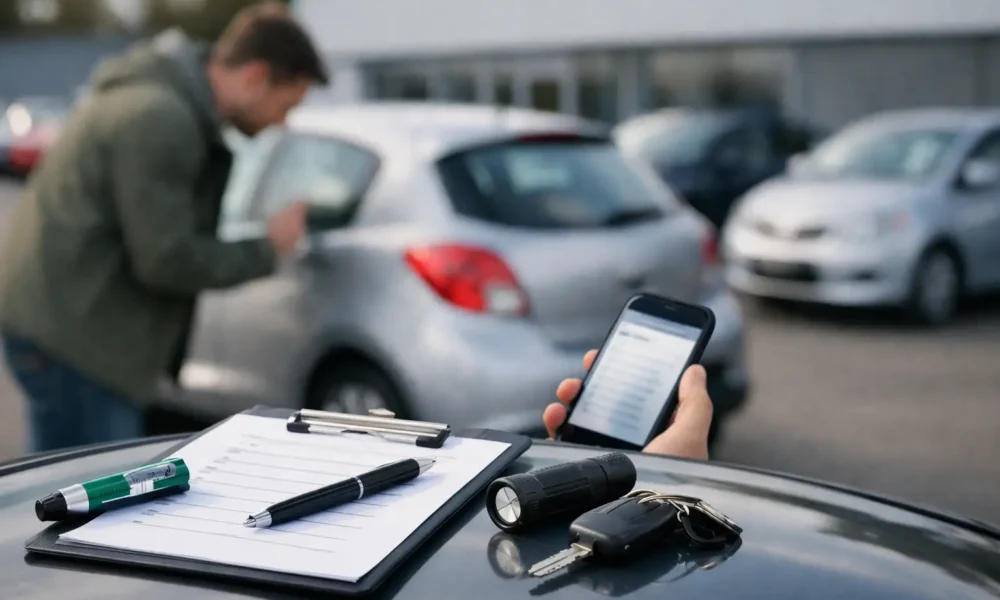
Buying your first car should feel simple. It rarely does.
Table Of Content
- The 5-minute first-car checklist (do this before you browse listings)
- Your budget in one line (car + running costs)
- Your non-negotiables (use, location, zones)
- Step 1 – Budget properly (the 2026 hidden costs trap)
- First-year cost table (simple and usable)
- 2026 tax gotchas (including EVs)
- Expensive Car Supplement: why list price matters (2026 update)
- Step 2 – Pick the right first car (safe, insurable, and cheap to run)
- The new driver sweet spot
- Safety features worth paying for
- Insurance in 2026: don’t shop by badge, shop by quote
- Step 3 – Where to buy (and how to avoid the worst traps)
- Dealer vs private: what changes for you
- Avoid auctions as a first-timer (usually)
- How to pay (and keep protection)
- Step 4 – Do the checks (this is where first-timers win)
- DVLA + MOT history (free checks)
- Private history/data check (the £20 that saves you thousands)
- V5C/VIN mismatch = walk away
- Zone compliance check (2026 reality)
- Step 5 – Inspect + test drive like you mean it
- Daylight inspection checklist
- Test drive checklist (and insurance warning)
- Step 6 – Deal day: negotiation, paperwork, and driving home legal
- Negotiate using MOT advisories and faults
- Paperwork you must leave with
- Tax + insure before you drive
- Step 7 – The first 7 days of ownership (avoid buyer’s remorse)
- Breakdown cover, tyres, basics, parking permits
- Book a baseline service (if history is unclear)
- Common 2026 pitfalls (quick-hit section)
- FAQs
- What is a good budget for a first car in 2026 (UK)?
- How much does insurance cost for a first-time car buyer?
- Should I buy from a dealer or private seller for my first car?
- What checks should I do before buying a used car?
- How do I check MOT history and DVLA details?
- What is a vehicle history check and is it worth it?
- What paperwork do I need when buying a car?
- Can the seller transfer car tax to me?
- Can I test drive a car without insurance?
- Is hire purchase (HP) a good idea for first-time buyers?
- What emissions standard do I need for Clean Air Zones and ULEZ?
- Do EVs pay road tax in 2026?
- What is the expensive car supplement and does it affect EVs?
- Are auctions a good place to buy your first car?
You’re stuck between noisy ads and scary forum threads. You’re also trying not to buy something unsafe, unaffordable, or awkward for your city.
This first-time car buyer guide gives you a clear path. I’ll keep it practical, calm, and based on checks you can actually do in 2026.
I’ll use a first car checklist and a used car buying checklist you can copy. By the end, buying your first car should feel like a plan, not a gamble.
The 5-minute first-car checklist (do this before you browse listings)
Your budget in one line (car + running costs)
Start with the total cost of ownership. The price tag is only the start.
Your running costs usually include insurance cost, road tax (VED), fuel economy (mpg), servicing, repairs, tyres, and MOT. Add breakdown cover if you want fewer nasty surprises.
Write one line you can stick to: “Car price + first-year running costs + emergency fund.” The emergency fund matters because a first car loves finding new ways to ask for tyres and brakes.
Your non-negotiables (use, location, zones)
Pick how you’ll use the car. Short city hops push you one way. Motorway driving pushes you another.
Now add your location rules. Clean Air Zones often use Euro 6 (diesel) and Euro 4 (petrol) as the key line. London ULEZ uses the same minimum standards for cars.
If London is in play, add Congestion Charge costs to your maths. From 2 January 2026, the daily charge is £18 if paid on the day or in advance, or £21 if paid after travel (within the stated window).

Step 1 – Budget properly (the 2026 hidden costs trap)
First-year cost table (simple and usable)
Start with the fixed stuff. Then add the “it depends” stuff.
Here’s a quick first car buying guide UK budget grid. Fill it in before you fall in love with a listing.
- Insurance cost: get quotes for the exact reg (more on why below)
- Road tax / VED: check by number plate
- Fuel economy (mpg): estimate from your weekly miles
- Servicing + repairs: set a monthly pot
- Tyres + brakes: assume you’ll need at least one set sooner than you want
- MOT: most cars need one each year after age 3, and the maximum test fee for a car is £54.85 (many garages charge less)
- Parking permits, tolls, ULEZ/CAZ fees, congestion charges: only if your life includes them
Keep one extra buffer. Call it your emergency fund. It stops small faults turning into big stress.
2026 tax gotchas (including EVs)
Assume nothing about tax. That includes EVs.
Electric, zero and low emission vehicles moved onto normal vehicle tax rates from 1 April 2025. For zero emission cars registered on or after that date, the first year rate is £10 and the standard rate from year two is £195 (at the rates shown on GOV.UK).
Hybrids also changed. The £10 annual discount for hybrids and other alternatively fuelled vehicles was removed, and many now pay the standard rate depending on registration date.
Expensive Car Supplement: why list price matters (2026 update)
Watch the list price. It can bite even when you buy used.
New zero emission cars registered on or after 1 April 2025 with a list price over £40,000 can face the expensive car supplement (on top of the standard rate) for a set period.
There’s also a key 2026 update. The expensive car supplement threshold for zero emission cars rises from £40,000 to £50,000, effective 1 April 2026, for ZEVs registered from 1 April 2025 onwards.
So yes, that list price on the original brochure still matters. It’s one of those first car mistakes that feels unfair, but it’s real.
Step 2 – Pick the right first car (safe, insurable, and cheap to run)
The new driver sweet spot
Start with boring wins. Reliability beats “fun” for a first car.
Look for clear service history and sensible mileage. Check ownership history too, because lots of short-term keepers can mean unresolved problems.
Then pick your fuel type for your life. Petrol vs diesel vs hybrid vs EV isn’t a badge debate. It’s about your trips, your budget, and where you drive.
A small hatchback often makes sense. It’s easier to park, usually lighter on tyres, and often cheaper to run.
Safety features worth paying for
Buy safety you’ll actually use. New drivers benefit most from “helps you avoid the hit” tech.
Here’s the quick list I look for:
- ABS (helps you steer while braking)
- ESC (helps prevent skids)
- AEB (can brake if you don’t)
- Enough airbags for the cabin you’ll use
- Tyres with good tread and even wear
Lane assist and blind spot monitoring can help too. Just don’t treat them like autopilot.
Insurance in 2026: don’t shop by badge, shop by quote
Shop with the reg number. Shopping by model name alone can mislead you.
The old 1-50 insurance Group Rating system is being replaced by Vehicle Risk Rating, built from five parts: Performance, Damageability, Repairability, Safety, and Security, scored 1-99.
That’s why I push one rule: quote the exact car before you commit. Same model, different trim and wheels, can change repair costs fast.
Also be careful with telematics (black box). It can cut costs for some drivers, but it asks you to drive within the rules it measures.
One more warning: “fronting” can cause trouble. That’s when a parent is named as main driver but you’re the real main driver. Insurers can treat that as fraud.
Step 3 – Where to buy (and how to avoid the worst traps)
Dealer vs private: what changes for you
Start with protection levels. They change based on who sells the car.
Buying from a trader can give you stronger rights than buying from a private seller. It also pushes checks on the seller and the car, plus using reputable traders where you can.
So what should you do?
If you want less risk, a reputable dealer helps. Look for a track record and clear paperwork. If you buy private, your checks need to be tighter.
Avoid auctions as a first-timer (usually)
Treat auctions as high-risk. Protections can be limited.
Auctions are one of the riskiest ways to buy a car, especially if you’re new to the process.
If you still go, bring a mechanic friend and set a hard walk-away price. Never bid because you feel watched.
How to pay (and keep protection)
Pay in a way that gives you options later. Options matter when something goes wrong.
Paying even a small part by credit card can give extra protection in some cases, and debit cards may allow chargeback through your bank. Bank transfers often have limits and less built-in protection.
This is simple: don’t pay the full amount in cash if you can avoid it. Cash gives you speed, not backup.
Step 4 – Do the checks (this is where first-timers win)
DVLA + MOT history (free checks)
Start online before you travel. It saves time and keeps your head clear.
The DVLA vehicle enquiry service lets you check key details such as tax status, when MOT expires, date first registered, engine size, fuel type, and emissions details.
There’s also a clear step order: ask for the reg, make/model and MOT test number, then check DVLA details and MOT history match what the seller told you.
Private history/data check (the £20 that saves you thousands)
Pay for one check. It’s often the best value in the whole deal.
A history check can spot stolen cars, outstanding finance, serious accident markers, mileage issues, and write-off categories.
If a seller refuses this, treat it as a loud signal. You’re not being awkward. You’re being safe.
V5C/VIN mismatch = walk away
Treat mismatches like smoke. Smoke usually means fire.
Ask to see the V5C logbook, check security features, and make sure logbook details match what you’ve been told. Check the VIN and engine number and make sure they match the logbook.
If the VIN plate looks tampered with, or the numbers don’t match, stop. Don’t talk yourself into “maybe it’s fine.”
Zone compliance check (2026 reality)
Check zones before you buy. Don’t guess based on age.
Some cities have Clean Air Zones and you may need to pay if your vehicle doesn’t meet emissions standards.
For London ULEZ, the minimum standards for cars are Euro 4 petrol and Euro 6 diesel, with a £12.50 daily charge for non-compliant vehicles (unless exempt).
Use official checkers. The “Drive in a clean air zone” service can tell you if charges apply in participating zones.
Step 5 – Inspect + test drive like you mean it
Daylight inspection checklist
Use daylight. Phone torches hide as much as they show.
I like a simple walk-around. I also try not to chat during it, because talking makes you miss clues.
Check these first:
- Tyre tread and even wear (uneven wear can hint at alignment or suspension issues)
- Brake discs and pads (deep lips on discs can mean wear)
- Warning lights on the dash at key-on
- Oil leaks and coolant stains under the engine bay
- Rust on sills, arches, and subframe areas
- Panel gaps and paint mismatch (can hint at repairs)
If anything feels “off,” pause. A clean car should still feel honest.
Test drive checklist (and insurance warning)
Drive it like you’ll use it. A two-minute loop tells you very little.
Make sure you’re insured for the test drive. Don’t test drive uninsured, and don’t assume the seller’s policy covers you.
On the road, listen and feel for:
- Brakes that pull or vibrate
- Steering that drifts or shakes
- Clutch bite that’s too high (manual cars)
- Gearbox crunching or slipping
- Suspension knocks over bumps
- Overheating or odd smells after a longer run
An OBD scan can help if you know what you’re doing. It’s a nice-to-have, not a magic wand.
Step 6 – Deal day: negotiation, paperwork, and driving home legal
Negotiate using MOT advisories and faults
Use facts, not vibes. Facts keep it calm.
If the MOT history shows repeat advisories, use them in your price talk. If tyres sit near the legal limit, price them in.
You can haggle, and it’s fine to ask for a lower price.
Paperwork you must leave with
Take the docs. Don’t accept “I’ll send it later.”
You should see the V5C logbook and check the details match, and you should tax the vehicle immediately after purchase.
At minimum, leave with:
- V5C logbook (or the correct new keeper slip)
- A signed receipt with the date, price, and both names
- Service history (stamps plus receipts beat stamps alone)
- MOT details (if the car needs one)
- Spare keys (replacing modern keys can cost more than you’d guess)
No paperwork often means more risk. It can also make insurance and resale harder.
Tax + insure before you drive
Sort legal basics first. Don’t leave the forecourt hoping it’s fine.
Car tax can’t be transferred to the buyer, so you must tax it yourself.
You must tax the vehicle immediately after buying, and you must have insurance before you use it on the road.
Step 7 – The first 7 days of ownership (avoid buyer’s remorse)
Breakdown cover, tyres, basics, parking permits
Do the basics early. Early fixes feel cheaper.
If you didn’t buy breakdown cover, price it now. It’s a common running cost people forget.
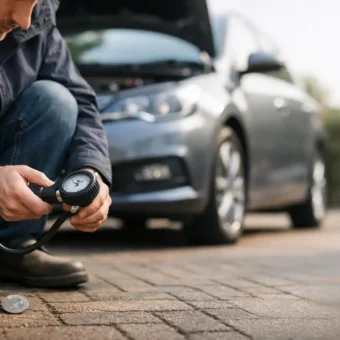
Then check tyre pressures, fluids, and wiper blades. Book a tyre check if the wear pattern looked odd.
If you need a resident permit, apply fast. That’s an easy cost to miss until a ticket lands.
Book a baseline service (if history is unclear)
Get a baseline if you’re unsure. It turns unknowns into a plan.
Ask for an oil and filter change, brake fluid check, and coolant condition check. If the car uses a timing belt, ask when it was last replaced and what proof exists.
This is also where you set your maintenance schedule. One diary reminder beats five panicked searches.

Common 2026 pitfalls (quick-hit section)
These are the traps I see most.
- You didn’t quote the exact reg, and the insurance cost shocked you later
- You bought a non-compliant car for your city, then paid CAZ or ULEZ daily charges
- You assumed EV road tax was zero, but it isn’t under post-1 April 2025 rules
- You skipped the finance/stolen/write-off checks, then found a nasty surprise
- You paid in a way with little protection, then had fewer options later
- You forgot London’s Congestion Charge update from 2 January 2026
If you want a first car timeline, I like this: shortlist, check online, view in daylight, test drive insured, pay safely, leave with docs, then do week-one basics.
It’s also what I wish I knew before buying my first car.
FAQs
What is a good budget for a first car in 2026 (UK)?
A good budget includes the car price and running costs, not just the listing. Add insurance, VED, fuel, servicing, tyres, and MOT. Keep an emergency fund for repairs. If you drive in London or a CAZ city, include daily charges in your plan.
Start with one number you can afford monthly. Then work backwards to the car price.
How much does insurance cost for a first-time car buyer?
Insurance cost depends on you and the exact car, not just the badge. Quote the exact registration number before you commit. Check your excess, and decide if telematics (black box) fits your driving. Ratings are changing, so trim level and repair costs can matter more.
If a seller won’t share the reg, treat that as a warning sign.
Should I buy from a dealer or private seller for my first car?
A dealer sale usually gives you stronger rights than a private sale, which can mean less risk if faults show up. A private seller can be cheaper, but your checks matter more. If you’re new, a reputable trader with clear paperwork often reduces stress.
Whichever route you choose, don’t skip the checks.
What checks should I do before buying a used car?
Do three layers of checks: DVLA details, MOT history, and a paid history check. DVLA and MOT checks help confirm basics match the seller’s story. A paid check can flag stolen status, outstanding finance, mileage issues, and write-off markers.
Do this before you travel. It saves wasted trips.
How do I check MOT history and DVLA details?
Use the registration number to check DVLA vehicle details and MOT history online. DVLA can show tax status, MOT expiry, fuel type, and emissions data. There’s also a simple step order: get the reg and MOT number, then match DVLA and MOT info to the seller’s claims.
If the details don’t match, walk away.
What is a vehicle history check and is it worth it?
A vehicle history check is a paid data check that can flag stolen cars, outstanding finance, serious damage markers, mileage concerns, and write-off categories. It’s often worth it because it costs far less than fixing a bad purchase. If a seller discourages it, treat that as a risk signal.
I see it as cheap peace of mind.
What paperwork do I need when buying a car?
You should leave with the V5C logbook (or the right keeper slip), a signed receipt, and proof of service history. Check the VIN and engine number match the logbook details. If the car needs an MOT, confirm its status and history match what the seller told you.
No paperwork often means future hassle.
Can the seller transfer car tax to me?
No. Car tax can’t be transferred to a new owner, so you must tax the car yourself. Plan this before pickup day, because you need the right details from the V5C to do it. Don’t drive the car away until tax and insurance are sorted.
This is a common “drive home” trap for first-timers.
Can I test drive a car without insurance?
Don’t. Make sure you’re insured for the test drive before you drive the car. Don’t assume the seller’s insurance covers you, and don’t rely on guesswork. If you can’t get cover for the test drive, treat that as a reason to pause or walk away.
This one is about safety and legal risk.
Is hire purchase (HP) a good idea for first-time buyers?
Hire purchase can work if the payments fit your budget and you understand the total cost with interest. It can also give extra protection, because you may be able to take action against the finance company as well as the trader if there’s a problem. Read the agreement carefully first.
PCP works differently, often with a final balloon payment. Ask what happens if you want to exit early.
What emissions standard do I need for Clean Air Zones and ULEZ?
Many Clean Air Zones and London ULEZ use Euro 6 for diesel cars and Euro 4 for petrol cars as the key line. London also applies a £12.50 daily ULEZ charge to non-compliant cars unless exempt. Always check your exact vehicle before you buy.
Age alone isn’t enough. Use official check tools where you can.
Do EVs pay road tax in 2026?
Yes, under the rules shown on GOV.UK. Electric, zero and low emission vehicles moved onto standard vehicle tax rates from 1 April 2025. For zero emission cars registered on or after that date, GOV.UK lists a £10 first-year rate and a £195 standard rate from year two (at the listed rates).
Rates can change over time, so check GOV.UK for the latest.
What is the expensive car supplement and does it affect EVs?
The expensive car supplement is an extra VED charge linked to a car’s original list price over a threshold. New zero emission cars registered on or after 1 April 2025 over £40,000 can be affected, but the threshold for zero emission cars rises to £50,000 from 1 April 2026.
That’s why list price still matters when you buy used.
Are auctions a good place to buy your first car?
Usually not. Auctions can be one of the riskiest ways to buy, especially for first-timers, because you may have less time to check the car and fewer protections if something goes wrong. If you still go, set a firm limit and accept walking away.
If you’re learning, buy where you can check properly.




[…] First-Time Car Buyer’s Guide (UK): Avoid Common 2026 Pitfalls […]
[…] First-time buyers may get relief. MoneyHelper notes eligible first-time buyers may pay no stamp duty up to £300,000, with a discounted rate up to £500,000. […]
[…] checklist for everyday breakdown prevention. It won’t cover everything, but it catches the common car problems that turn into big repair […]
[…] number matters because first-time buyers are the entry point of the market. When fewer new buyers can get in, the whole system gets […]
[…] common warning from user guides: don’t put tank parts in a dishwasher, and don’t wash them with detergent unless the […]
[…] Lifetime ISA can add a bonus for eligible first-time buyers. Shared ownership can reduce the upfront deposit burden for some […]