




How to Avoid Overtourism: Alternative Destinations to Overcrowded Hotspots
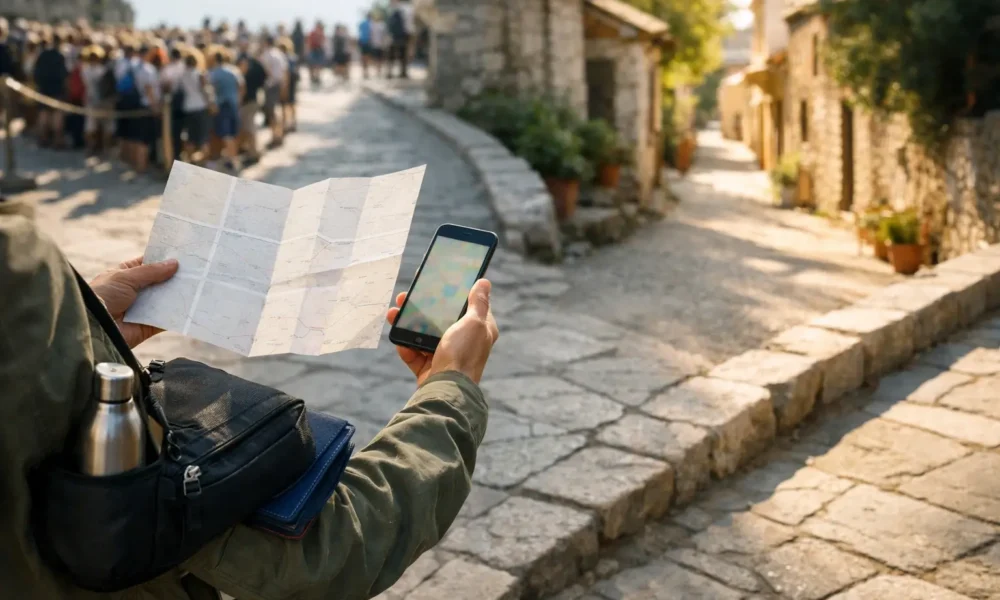
Crowds can steal the fun fast. You’ve planned the flights, then you see a 90-minute queue for the “must-see” view. Now you’re stuck wondering where to stay, what’s worth the time and money, and how not to fall into tourist-trap chaos.
Table Of Content
- What is overtourism (and what it’s not)?
- Overtourism vs “it’s just busy”
- What causes overtourism?
- Why it matters (residents, culture, nature)
- Quick toolkit to avoid overtourism (without missing out)
- Timing that actually works
- Stay longer and spread your footprint
- Spend locally, so tourism helps
- Costs, transport, and common traps
- Spot the signs a place is under strain
- Destination dupes: alternatives to overcrowded hotspots
- Europe city swaps
- Beach and island swaps
- Big landscape swaps
- How to choose your own dupe (a simple framework)
- If you still want the hotspot, go responsibly
- What destinations are doing about it
- Do-no-harm checklist for your next trip
- FAQs
- What is overtourism in simple terms?
- What causes overtourism?
- How can I avoid overtourism without missing out?
- What are destination dupes?
- Do visitor caps and booking systems help?
I’ve had trips like that. This guide is my calmer playbook, with clear swaps and practical planning tips.
What is overtourism (and what it’s not)?
Overtourism is when visitor pressure goes past a place’s carrying capacity, so locals feel their quality of life drop and visitors get a worse experience. It’s not “a busy weekend”. It’s long-term strain on housing, streets, services, and nature in specific areas.
Overtourism often shows up in pockets. One old-town lane gets crushed while a nearby district feels normal. That’s why “avoid overtourism” isn’t about staying home, it’s about smarter choices.
Overtourism vs “it’s just busy”
A busy place can still run smoothly. Overtourism is when systems start to buckle and residents feel it first. Good destination management tries to spread visitors and protect daily life.
What causes overtourism?
It usually comes from a mismatch between travel demand and destination capacity. Peak season stacks everyone into the same weeks, day trippers flood in, and cruise arrivals hit in one big wave. Social media geo-tagging adds sudden surges, while short-term rentals squeeze housing in popular neighbourhoods.
The pattern is “too many, too fast, in the same small space”. That’s when public transport and waste management get stretched.
Why it matters (residents, culture, nature)
Overtourism isn’t just annoying. It can raise noise, traffic, and tension with locals. It can also harm fragile places, so some sites even close for recovery.
Crowds can also flatten local culture. Neighbourhoods lose their everyday feel when housing flips to short-term stays. And for you, it often means worse value: you pay more, wait more, and see less.

Quick toolkit to avoid overtourism (without missing out)
If you take one thing, take this. You need a few moves that lower stress.
- Travel in shoulder season or off-season when you can.
- Sleep one night outside the hotspot, then visit early.
- Book timed entry where it exists.
- Walk two streets away from the main drag for meals.
- Keep geo-tags broad on small, fragile places.
Timing that actually works
Shoulder season is the simplest crowd filter. If school holidays lock your dates, change your daily rhythm instead.
Start with the top sight at opening time. Then do parks, markets, or a museum later, when crowds peak outside.
Stay longer and spread your footprint
Two nights beats two hours. An overnight stay reduces the “hit and run” rush that day trips can create. It also gives you quieter hours, when a place feels more like itself.
Spend locally, so tourism helps
Spend is a vote. Local guides, local cafés, and smaller stays can spread benefits more fairly. If you’re unsure what’s respectful, ask a host what locals do at that time of day.
Costs, transport, and common traps
Crowds change prices in sneaky ways. Central cafés and “view” restaurants often charge more for less. If you’re trying to keep budgets calm, eat one or two streets back and buy snacks from a grocery store.
Transport can add stress too. In hotspots, taxis may “forget” the meter and unofficial guides may push pricey detours. Use official ticket apps, keep screenshots of your bookings, and plan your last train or bus before dinner.
Tickets sell out in packed seasons. If timed entry is required, book as soon as your dates are fixed. If it’s sold out, don’t pay a reseller on the street; pick a smaller museum, a park, or a neighbourhood walk instead.
Spot the signs a place is under strain
Use this before you book. If you tick several, plan for alternative destinations.
- Timed entry and daily caps at key sights
- Locals angry about noise, trash, or housing
- Cruise-day surges that swamp one area
- Old towns full of souvenir shops but few groceries
Destination dupes: alternatives to overcrowded hotspots
A good dupe keeps the vibe and drops the stress. I choose swaps by culture, landscape, access, season, and how easy it is to get around.
Europe city swaps
- Instead of Amsterdam, try Leiden. You still get canals and old streets, but on a smaller scale. Stay near Leiden Centraal and you can do Amsterdam as an early train day, then retreat to calmer evenings.
- Instead of Athens, try Larissa. Use it as a base, then plan one focused Athens day with an early timed slot where possible.
- Instead of Barcelona, try Toledo. Toledo gives you history, viewpoints, and a compact old town you can cover on foot. If you still want a bigger coast-and-city mix, Valencia is often suggested as a lower-pressure choice.
- Instead of Paris, try Bordeaux. You get grand buildings, riverside walks, museums, and long lunches without the same crush.
Beach and island swaps
Instead of Bali, try Krabi. You’ll still get limestone cliffs, boat days, and calm bays, with less of the “everyone’s here” feeling.
If Mykonos feels too intense, look at other Greek islands. The “dupe” idea isn’t about being secret. It’s about spreading demand.
Big landscape swaps
If a classic hotspot feels packed, ask what you really want. Places like the Balkans or Spain’s Picos de Europa get mentioned as quieter ways to get that “big nature” fix with fewer crowds.

How to choose your own dupe (a simple framework)
Start with your must-have. Pick one, then match it to a place with more capacity and better flow.
Next, check how people arrive. A city built around day-trips can spike hard. A place with rail links and good local buses often spreads crowds better.
Finally, look at where you’ll sleep. If a neighbourhood is dominated by short-term rentals, locals can feel squeezed. A small hotel zone near a station can be simpler than a fragile old-town lane.
If you still want the hotspot, go responsibly
Sometimes you really want the famous place. The goal is to reduce pressure on the most stressed areas.
Book timed entry and go off-hours when you can. Eat away from the main square. Pick one key sight, then spend the rest of your day in parks, markets, and outer districts.
Try to avoid cruise-day patterns. If you can, choose a day with no ship in port.
What destinations are doing about it
You’ll see more caps, booking systems, and crowd control at popular sites. Some cities also limit short-term rentals or add curfews to protect residents. Entry fees exist too, but small fees don’t always reduce demand.
Do-no-harm checklist for your next trip
Keep this in your phone notes. It prevents common mistakes.
- Pick shoulder season first.
- Sleep outside the hotspot at least once.
- Book timed entry as soon as dates are fixed.
- Start early, then slow down after lunch.
- Walk for meals, away from the main drag.
- Keep geo-tags broad on fragile places.
- Respect local customs at sacred sites.
- Use refill bottles and bin your trash.
- Choose small groups, not bus mobs.
- Leave space for rest and rain plans.
FAQs
What is overtourism in simple terms?
It’s when a place gets too many visitors for its streets and services to cope, and locals and visitors both feel the negatives.
What causes overtourism?
Peak season crowds, day trips, cruise surges, social media geo-tags, and housing pressure from short-term rentals can all play a part.
How can I avoid overtourism without missing out?
Travel in shoulder season, stay overnight outside the hotspot, use timed entry, and swap one headline sight for a nearby alternative.
What are destination dupes?
They’re alternative destinations with a similar vibe, but fewer crowds and often better value.
Do visitor caps and booking systems help?
They can reduce crowding at the tightest sites, but they work best when visitors also change timing and behaviour.







No Comment! Be the first one.