




How Wattios Affect Your Home’s Monthly Energy Bill
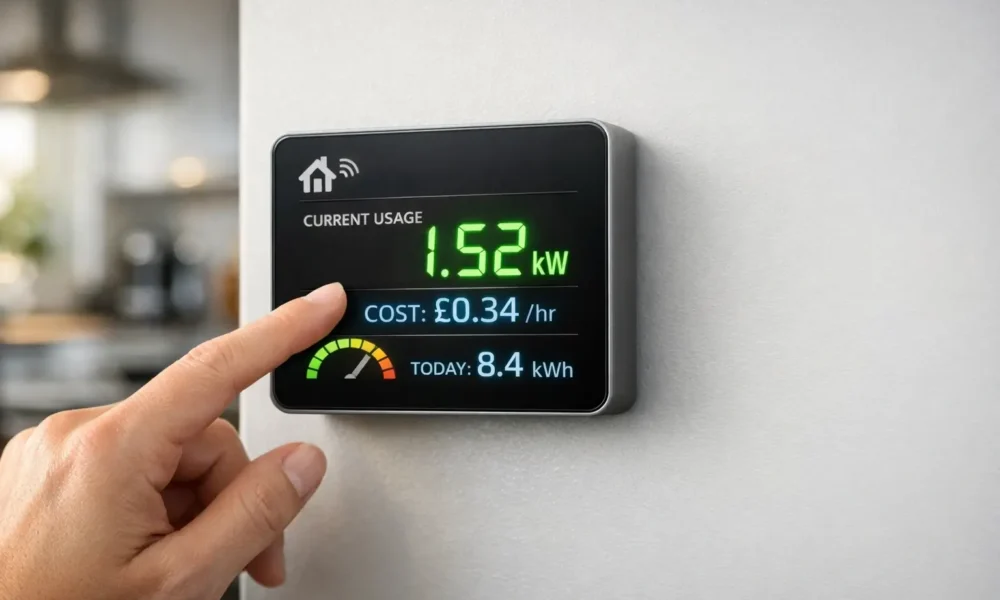
The bill lands. The number looks rude. Then the guessing starts.
We’ve all been there. A higher electricity bill can make a normal home feel like a money pit, and the worst part is not knowing what caused it. Was it the heating, the dishwasher, the old fridge, the TV left on standby, or that one cold week when the boiler worked like it was training for the Olympics?
That’s where wattios becomes useful. In plain English, wattios is the idea of using watt-level energy data, smart monitoring, and simple automation to make home electricity use easier to see and easier to control. Instead of vague advice and fuzzy tech talk, it links watts, kWh, tariff rates, and daily habits to the number that actually matters: your monthly energy bill.
What Is Wattios?
Wattios is best understood as a smart energy management idea for homes. It focuses on tracking power usage, spotting waste, and helping households connect appliance use with real electricity costs.
For homeowners, that matters because a bill does not rise by magic. It rises because power-hungry devices run for longer, run at the wrong time, or keep sipping electricity in the background.
Think of wattios as the home energy version of checking your bank app. Once we can see where the money goes, bad habits stop hiding.
A Simple Definition in Plain English
A watt shows how much power a device uses at a given moment. A kilowatt is 1,000 watts. A kilowatt-hour or kWh shows how much electricity was used over time, and that’s the unit suppliers use when they calculate your bill.
That one point clears up a lot of confusion. A heater may use high wattage for short periods. A fridge uses lower wattage, but it keeps cycling all day. Both can matter, just in different ways.
Why the Term Matters for Homeowners, Not Just Tech Readers
A lot of pages talk about IoT devices, AI analytics, and connected systems like they’re trying to impress a robot investor. Most homeowners just want to know why the bill jumped by £40.
That’s why wattios matters. It ties smart meters, home energy monitors, dashboards, smart plugs, and heating controls back to everyday decisions. Use the tumble dryer less. Run the washing machine later. Cut standby power. Spot evening spikes before they become a monthly habit.
The Fastest Way to Understand the Bill Impact
If we want to understand how wattios affects the bill, we need one bit of simple maths. Not the scary kind. The useful kind.
Watts vs Kilowatts vs Kilowatt-Hours
A 100-watt light bulb uses 100 watts while it’s on. If we ran ten of those at once, that would be 1,000 watts, or 1 kilowatt.
Now add time. If that 1 kilowatt load runs for one hour, it uses 1 kWh. That is what appears on the electricity bill.
So watts tell us the speed of energy use. kWh tells us the total amount used.
The Monthly Bill Formula
Here’s the formula that matters most:
Monthly appliance cost = wattage x hours used per day x days used / 1000 x electricity rate
A quick example makes it less dry than toast.
Say a 2,000-watt heater runs 3 hours a day for 30 days:
2,000 x 3 x 30 / 1000 = 180 kWh
If your tariff is £0.25 per kWh, that’s:
180 x £0.25 = £45 per month
That’s the link between appliance wattage, usage hours, and monthly cost. Wattios works by making that link visible sooner, before the bill arrives and ruins the mood.
Why Two Homes With Similar Devices Can Still Get Very Different Bills
Two homes can own the same kettle, fridge, TV, and washing machine and still get very different results. Why? Usage time, insulation, heating habits, thermostat settings, tariff type, and peak versus off-peak timing all matter. Devices matter, but routines matter just as much.
That’s why smart monitoring helps. It doesn’t just show what you own. It shows how you use it.
How Wattios Works Inside a Home
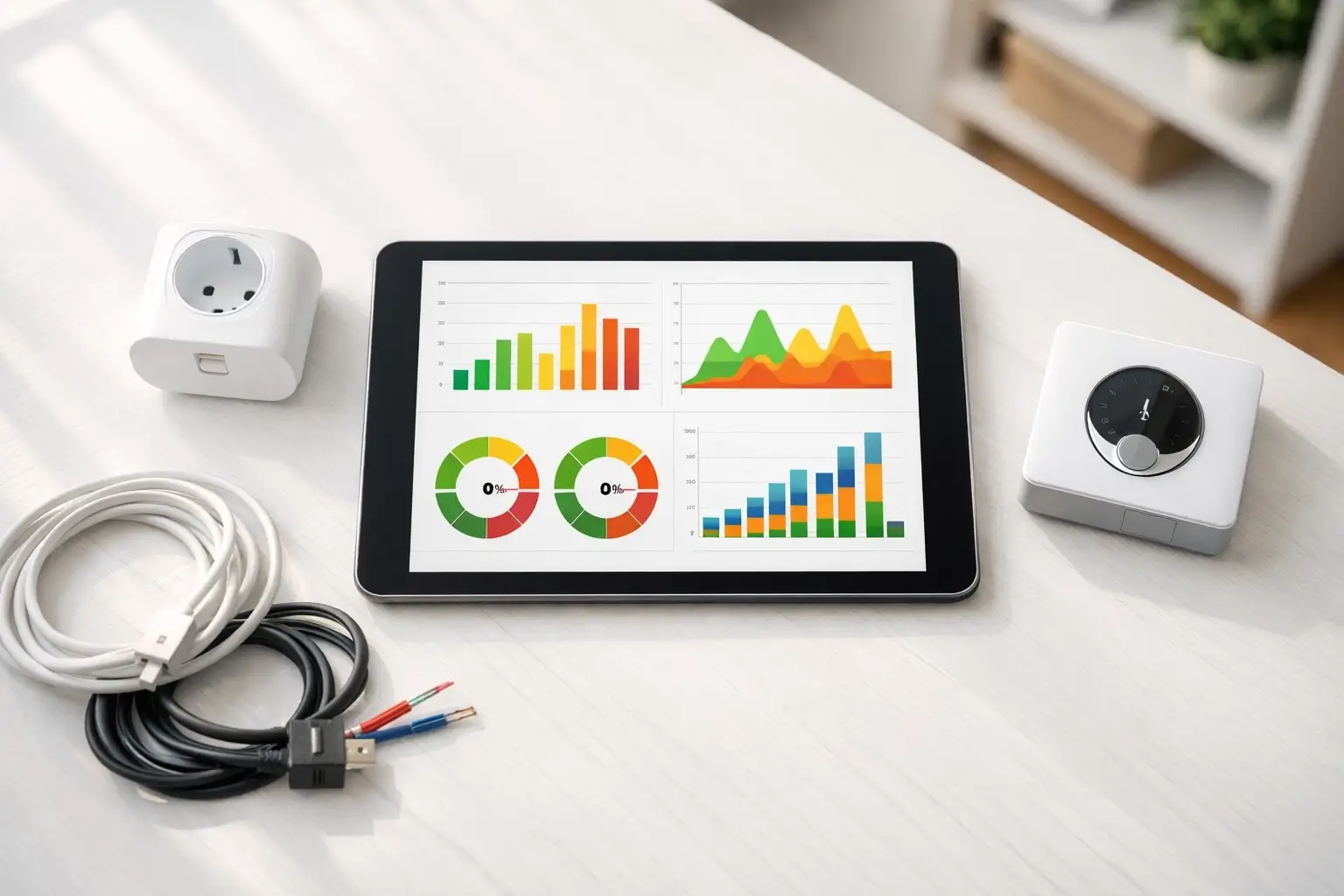
Wattios usually shows up through a mix of tools. That can include a smart meter, a home energy monitor, a mobile app, smart plugs, a smart thermostat, and sometimes circuit-level monitoring for more detailed data.
Smart Meters, Home Energy Monitors, and Mobile Dashboards
A smart meter records electricity use more clearly than an old meter and can support smart tariffs. A home energy monitor goes further by showing real-time data through a dashboard or app.
That matters because real-time use is easier to act on than a bill from three weeks ago. If the app shows a sharp spike every evening, we can look at what starts up at that time.
Real-Time Tracking, Alerts, and Usage Pattern Analysis
This is where the practical value kicks in. A monitor can show:
which hours use the most electricity
whether standby power is higher than expected
if heating and cooling are creating major spikes
when large loads like EV charging or laundry hit hardest
That kind of pattern analysis beats guesswork. It’s the difference between saying, “Our bill feels high,” and saying, “The water heater and evening heating are the main problem.
Where IoT Devices, AI, and Automation Fit In
This is the tech layer, but it doesn’t need to sound like a sci-fi trailer.
IoT devices, AI analytics, and automation can help spot habits, suggest better run times, and trigger routines. A smart thermostat can trim unnecessary heating. Smart plugs can shut off phantom load. Some systems can push bigger loads into off-peak hours if your tariff rewards that.
The key point is simple. The system does not save money on its own. It helps us make better choices faster.
Which Appliances Usually Push Bills Higher
Not every appliance deserves suspicion. Some are minor. Some are absolute drama queens.
Heating and Cooling
HVAC, electric heating, and cooling usually sit near the top of the list. If a home uses electric radiators, underfloor heating, or heavy air conditioning, those loads can dominate the monthly bill. Poor settings can make it worse fast.
A one-degree bump on the thermostat may not sound huge, but across weeks it adds up like tiny leaks in a bucket.
Water Heating and Kitchen Appliances
Water heaters are often one of the biggest hidden loads in a home. They work hard, often out of sight, which makes them easy to ignore.
Dishwashers, tumble dryers, ovens, and washing machines also matter, especially if they run often or during peak-rate hours. One cycle may seem harmless. Daily cycles at the wrong time tell a different story.
Entertainment, Lighting, and Standby Power
TVs, game consoles, routers, speakers, chargers, and set-top boxes can keep drawing power even when no one is using them. That’s standby power, often called phantom load. Each item may look small, but together they can become a steady trickle of waste.
Lighting can also creep up, especially in homes with lots of older bulbs or long evening use.
EV Charging and Other Large Loads
EV charging can be a major factor if done often and at peak rates. The same goes for large electric showers, immersion heaters, and workshop tools.
These are not bad loads. They’re just expensive ones if we run them without a plan.
The Homeowner Actions That Turn Wattios Into Savings
Seeing the data is step one. Acting on it is step two. That’s where the bill starts to change.
Scheduling Heavy Loads for Off-Peak Times
If you’re on a smart tariff, Economy 7, or another time-of-use tariff, timing matters a lot. Running a dishwasher, washing machine, or EV charger during off-peak hours can cost less than doing the same thing at busy evening rates.
It’s one of the clearest ways wattios affects the bill. Same appliance. Same task. Different price.
Using Smart Thermostats and Heating Controls Better
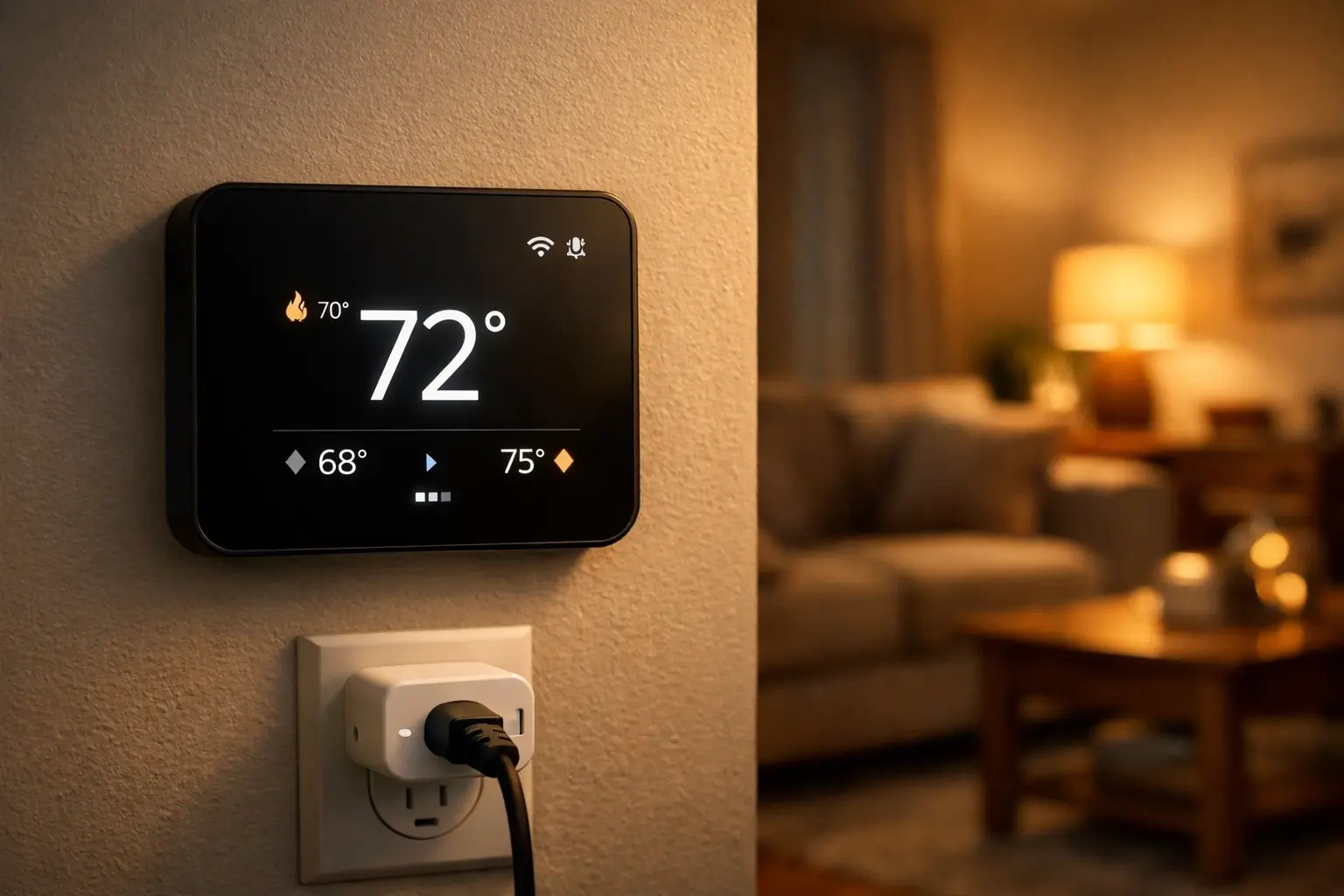
Heating controls help stop waste before it starts. A smart thermostat can lower heating when the house is empty, stop overheating rooms, and keep schedules tighter.
That does not mean every smart thermostat pays for itself quickly. In some homes, better use of existing controls may do enough already. Still, heating is such a big load that small fixes here can matter more than fiddling with lamps and phone chargers.
Catching Phantom Loads With Smart Plugs
Smart plugs are useful because they make standby power less invisible. We can measure what a TV corner, gaming setup, or home office uses when it looks “off.”
That kind of check often exposes silly waste. The sort that feels minor until it sits there for 720 hours a month doing absolutely nothing helpful.
Using Dashboards to Spot Spikes and Repeat Waste
Dashboards help us notice patterns we would otherwise miss. Maybe bills spike every Sunday because of long dryer cycles. Maybe the heater runs too early every morning. Maybe the fridge in the garage is old enough to remember DVDs.
Once we see the pattern, the fix gets simpler.
Can Wattios Actually Lower Your Monthly Energy Bill?
Yes, but not by magic. Wattios can lower a monthly energy bill when it helps households spot waste, change run times, use off-peak tariffs better, and control heavy loads more carefully. It saves through better decisions, not through the data itself.
That distinction matters. A monitor does not cut costs in the same way loft insulation or a more efficient boiler might. It gives visibility. Then the savings depend on what we do with that visibility.
What It Can Do
It can show major loads, real-time spikes, repeat waste, and bad timing. It can help with:
lower bills through better scheduling
reduced waste from standby power
smarter heating control
better use of smart tariffs
clearer tracking for EV charging, solar use, or battery storage
What It Cannot Do
It cannot turn an inefficient home into a cheap one overnight. If insulation is poor, the water heater is old, or electric heating is used heavily in winter, data alone will not fix that.
It also will not help much if nobody checks the dashboard or changes habits. Plenty of smart kit ends up treated like a fancy wall ornament. Homes deserve better.
When the Savings Are Most Noticeable
Savings are often easier to notice in homes with one or more of these:
electric heating or cooling
time-of-use tariffs
EV charging
lots of standby devices
several high-load appliances used often
In those homes, timing and load control can make a visible difference.
Costs, Limits, and Things to Watch Before You Invest
Wattios-style setups can be useful, but they are not right for every home. Upfront hardware costs, compatibility issues, privacy questions, and the simple fact that some homes need basic fixes first can limit the value of a more advanced smart setup.
A balanced view is important here. Too many pages act like every home needs a mini control room. Sometimes the smarter buy is boring. Draught-proofing, LED bulbs, better heating schedules, or replacing a tired appliance can do more.
Upfront Hardware Costs
A smart meter may already be in place, but extra monitors, smart plugs, thermostats, or circuit-level systems add cost. For smaller homes with modest usage, payback may take longer.
That does not make them pointless. It just means the maths should be honest.
Data Privacy and Compatibility Concerns
Connected devices collect household usage data. Some people will be fine with that. Others will want to read the privacy policy before plugging in anything clever.
Compatibility can also be annoying. Not every device plays nicely with every app, meter, tariff, or home setup. And yes, tech that refuses to talk to other tech is still somehow considered normal in 2026. Charming.
When a Simpler Fix May Beat a Smarter System
If the main issue is an old heater, poor controls, or heavy evening use on a peak tariff, a simple change may beat a bigger smart system. Better routines, better timing, and better heating habits often give the first wins.
Wattios, Smart Tariffs, and the Future of Lower Bills
Wattios also connects well with solar panels, battery storage, and homes trying to reduce grid reliance. If a home can store electricity or shift usage into cheaper windows, the value of smart monitoring grows.
That is especially true with off-peak rates. Run the EV charger later. Heat water when rates are lower. Charge a battery at night and use that energy later. The bill becomes less about total use alone and more about when that use happens.
That does not mean every home needs solar, a battery, and an app that looks like mission control. It means smarter homes are becoming more bill-aware, and wattios fits that trend because it turns electricity use into something we can actually see and act on.
Final Takeaway
Wattios affects your home’s monthly energy bill by making electricity use easier to track, easier to price, and easier to change. It connects appliance wattage, usage hours, kWh, tariff rate, off-peak timing, and smart monitoring into one clearer picture.
That picture matters because most households do not have a usage problem in theory. They have one on Tuesday at 7 pm when the heating, cooker, dryer, lights, and TV all pile on at once.
When we can see the pattern, we stop guessing. And when we stop guessing, bills usually get easier to control.
FAQs
What Is Wattios in Simple Terms?
Wattios is a plain-English way to talk about smart energy monitoring at watt level. It helps households track power use, spot waste, and connect appliance activity with real bill costs, so electricity use feels less confusing and more practical to manage.
It’s less about a magic product and more about a way of seeing energy use clearly.
How Does Wattios Affect Your Monthly Energy Bill?
Wattios affects your bill by showing which devices use the most power, when they run, and how that use turns into kWh charges. That helps households move loads, cut waste, and use smart tariffs or off-peak windows more effectively.
The effect comes from better choices, not from the monitoring itself.
What Is the Difference Between Watts and Kilowatt-Hours on an Electricity Bill?
Watts measure how much power a device uses at a moment in time. Kilowatt-hours measure how much electricity has been used over time, and that total is what energy suppliers use when they calculate the charge on your bill.
A high-watt appliance used briefly may cost less than a lower-watt appliance used for hours every day.
Can Smart Meters and Home Energy Monitors Actually Lower Bills?
Yes, they can help lower bills when households use the data to change habits. Smart meters and monitors show usage patterns, peak periods, and waste, which makes it easier to control heavy loads and avoid paying more than needed.
They are most useful when paired with action.
Which Household Appliances Use the Most Electricity Each Month?
Heating, cooling, water heating, tumble dryers, dishwashers, ovens, and EV chargers are often among the biggest electricity users. Fridges run all month, while standby devices and lighting can also add steady background costs that many households miss.
The exact mix depends on the home, but heavy loads usually stand out fast once tracked.






No Comment! Be the first one.