




United Airlines Flight ua770 emergency diversion: The Crew’s Split-Second Decision Explained
When flight stories break, the facts can feel harder to reach than the airport. One site says July, another says May, and none of that helps when you’re trying to work out what really happened, what the risk was, and what this means for your own travel plans.
So we’re keeping this plain: what happened on United Airlines Flight UA770, why the crew turned to London Heathrow, what passengers likely noticed, and what to do if your own trip ever takes the same kind of turn.
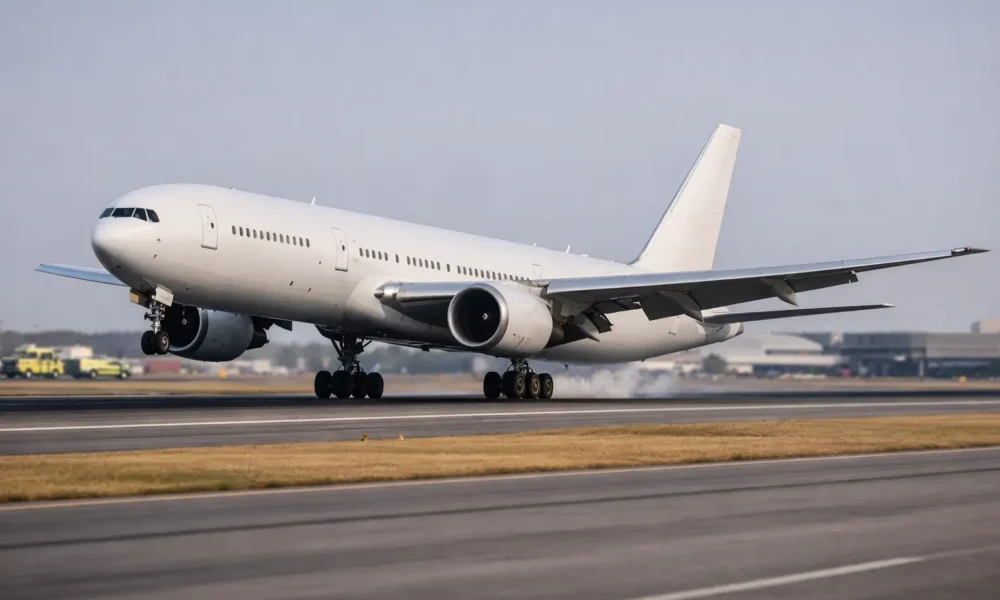
The clearest public trail points to 27 May 2025, not 22 July. A live-day AIRLIVE report and FlightAware’s dated history page both place UA770 on the Barcelona to Chicago run that day, while later write-ups use conflicting July dates. Public reports also agree on the basics: United Airlines Flight UA770, a Boeing 787-9 Dreamliner, was flying from Barcelona (BCN) to Chicago O’Hare (ORD), declared a general emergency, and landed safely at London Heathrow Airport (LHR) with no injuries reported.
Quick Summary
United Airlines Flight UA770 emergency diversion happened after a cabin pressurization alert during cruise. The crew squawked 7700, carried out a controlled descent procedure, spoke with air traffic control, and landed on Runway 27R at Heathrow at about 4:55 PM BST. Later reports put 257 passengers and 12 crew on board.
That matters because a diversion like this usually looks dramatic from the outside but works like a safety drill from the cockpit. The goal is not to prove the plane can keep going. The goal is to get everyone onto the ground before a warning grows into a real problem.
What Triggered the Emergency?
The most widely reported cause was a cabin pressurization problem, or at least a pressure anomaly serious enough to treat as one. Cabin pressurization keeps the air inside the aircraft safe to breathe at high altitude, and when crews can’t trust that system, descent becomes the safe move.
On the Boeing 787, cabin systems are heavily monitored, and the aircraft is designed to keep the cabin at a lower cabin altitude than many older jets. That’s good for comfort on a normal day, but it also means abnormal pressure readings are watched closely. A warning can trigger preventive action before a full decompression ever happens.
That “preventive action versus system failure” point is easy to miss. A pressurization alert does not always mean the cabin lost pressure in a sudden, headline-style way. It can mean the crew saw a sign they did not want to gamble with over a long Atlantic crossing.
The Crew’s Split-Second Decision
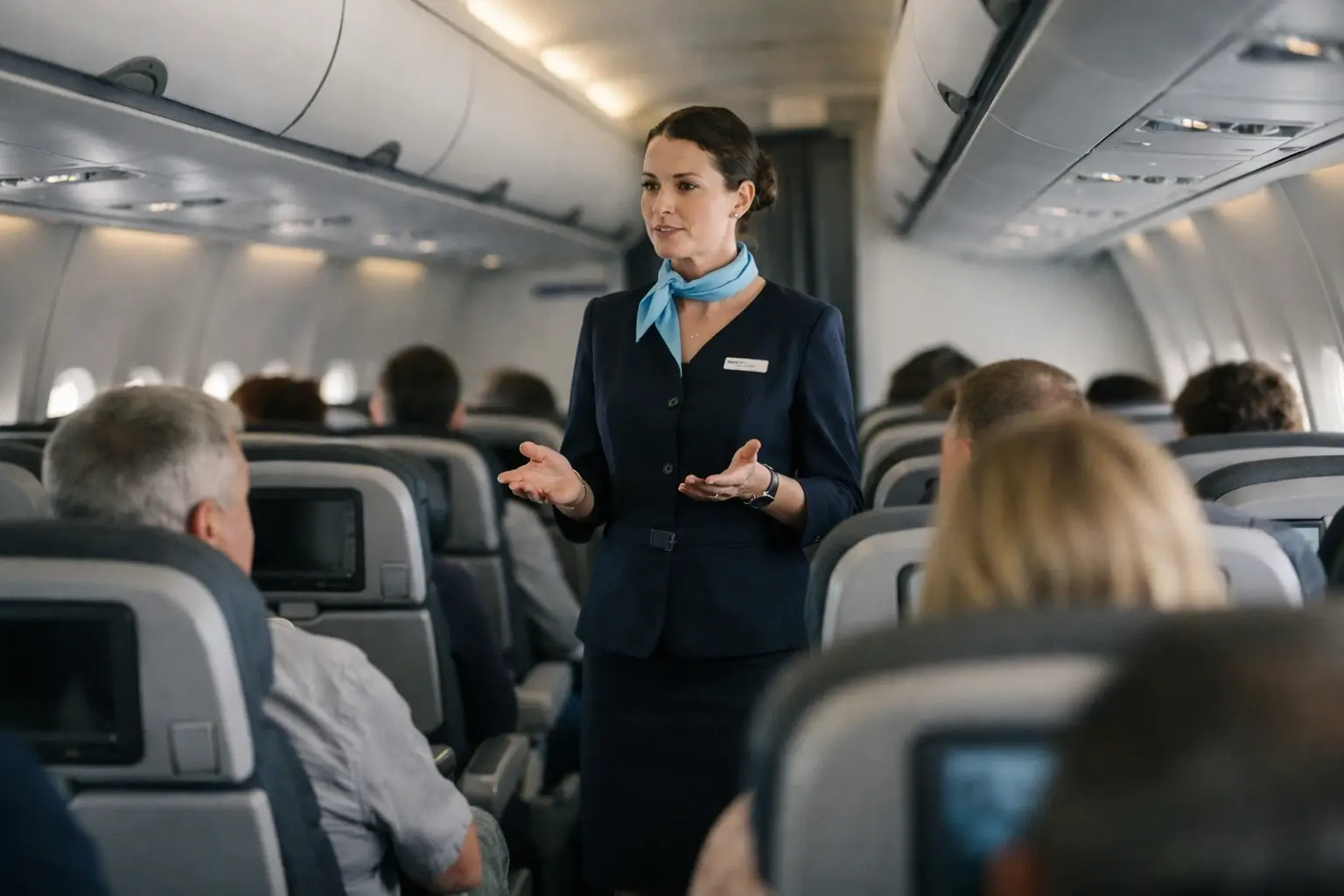
This is the part most coverage skips. Pilots do not make a diversion call by gut feel alone. They work through flight crew emergency protocols, divide captain and first officer roles, and run checklist logic fast. Guidance on crew resource management, or CRM, describes it as the effective use of people, equipment, and information to reduce error and keep the operation safe.
A simple way to picture the UA770 emergency landing explained is this: confirm, communicate, commit. First, confirm the warning and run the emergency checklist execution. Second, communicate with ATC and cabin crew. Third, commit to the safest airport rather than drifting into false hope. That rhythm fits both CRM thinking and standard emergency descent guidance.
The captain would usually focus on flying, keeping pilot situational awareness sharp, and making the final call on the decision to divert. The first officer would often handle radio work, checklist support, and air traffic control communication, though exact task split can vary by airline and moment. That is textbook CRM, and it’s one reason a tense event can still feel calm in the cabin.
Public reports show UA770 used the Squawk 7700 emergency code. SKYbrary says 7700 is the general emergency transponder code, and ATC guidance says an aircraft using emergency phraseology gets priority handling. We do not have a public cockpit transcript, so we cannot say for sure whether the crew used Mayday, Pan-Pan, or plain-language emergency wording on voice radio, but the transponder emergency code and diversion decision both point to a serious safety-first call.
Why London Heathrow Made Sense
Heathrow was a logical pick. It has two long runways, with the northern runway 09L/27R measuring 3,902 metres, and Heathrow’s emergency orders set out alerting procedures and the first actions for airport teams during declared emergencies. In plain terms, it offers runway length, rescue and fire cover, medical response, and a major hub’s ground support in one place.
That is the alternate airport selection logic pilots look for. Not just the nearest dot on the map, but the nearest suitable airport with room for a widebody, strong emergency response, and a better shot at fast passenger care once the doors open. For a Boeing 787-9 Dreamliner on a westbound long-haul route, Heathrow ticks those boxes.
What Passengers Were Likely Feeling on Board
From the cabin, a case like this often feels odd rather than chaotic. Seat belt signs may stay on, the descent can feel steeper than usual, and the cabin crew passenger briefing becomes the anchor point. Good cabin crew response is not loud hero stuff. It’s short instructions, calm faces, and no mixed messages.
Some later coverage says oxygen mask deployment was absent. That would fit a pressure alert caught before cabin altitude rose to the point where passenger masks usually drop, which SKYbrary puts at about 14,000 feet. Because later reports conflict on smaller details, that point is best treated as likely rather than fully settled.
If your own flight is ever diverted, the useful rule is simple. Stay seated, keep your phone away during descent, listen for cabin crew instructions, and do not assume the worst just because emergency vehicles are waiting. On many safe emergency landings, those teams are there by design, not because something has already gone badly wrong.
What Happened After Landing
Reports say UA770 landed safely, taxied in, and passengers later got help with rebooking, plus meal vouchers and hotel stay support where needed. Those reports also say the aircraft was grounded for inspection after landing. The fine detail may change once harder records appear, but that overall pattern is standard after a diversion tied to a technical concern.
For travelers, this part matters almost as much as the landing. A calm diversion can still wreck a budget, a connection, and a hotel booking. That’s why it helps to keep receipts, save boarding passes, and take screenshots of delay notices while they’re fresh. It turns a messy evening into a cleaner claim later.
What EU 261/2004 May Mean for Passengers
Because this flight departed from Barcelona, EU passenger rights may apply even though United is not an EU airline. The European Commission says Regulation 261/2004 covers all passengers departing from an airport in an EU Member State. That can include care during long delays, such as meals, refreshments, hotel accommodation, transfers, and rerouting.
Cash compensation is a tougher question. The Commission’s guidance says airlines may avoid compensation if they prove extraordinary circumstances, but ordinary technical problems found in maintenance do not automatically count as extraordinary. So if UA770’s issue turns out to have been an internal technical fault, some passengers may have a stronger case than they think. If it turns out to be a hidden design defect or another event outside the airline’s control, the case looks weaker.
Who Looks Into an Incident Like This?
In the UK, the Air Accidents Investigation Branch investigates civil aircraft accidents and serious incidents. The NTSB also takes part in foreign aviation investigations involving U.S. carriers, U.S.-registered aircraft, or U.S.-designed equipment under international rules. So if UA770 drew a formal serious-incident process in Britain, AAIB would be central, with possible U.S. participation because this involved a U.S. airline and a Boeing aircraft.
That matters for one reason: official investigations do not work like social media. They look at recorded data, crew procedures, maintenance records, and system behaviour. That can take months, which is why later blog posts often sound more certain than the evidence really allows.
What Travelers Can Take From UA770
The biggest lesson is not fear. It’s trust, but the practical kind. The United Airlines Flight UA770 emergency diversion shows why modern air travel builds in layers: aircraft monitoring systems, trained flight crew, air traffic control communication, and a big airport ready to receive an aircraft fast.
So if you ever hear that your flight is making a precautionary landing, think of it like a driver pulling off the motorway when a warning light comes on, not waiting for smoke from the bonnet. That is what good crews do. They choose the boring safe ending over the risky on-time one. And on UA770, that choice seems to have worked.
Frequently Asked Questions
What is Squawk 7700 and what does it mean?
Squawk 7700 is the transponder emergency code. When pilots set it, air traffic control sees that the flight needs priority handling right away. It does not name the fault by itself. It tells controllers to clear space, listen closely, and help the aircraft land safely.
Did the oxygen masks deploy on UA770?
Public reports on that point do not fully match, so we should be careful. Later coverage often says the oxygen masks did not deploy, and that would fit a pressure alert caught early, because passenger masks usually drop only when cabin altitude climbs to about 14,000 feet.
Are passengers entitled to compensation when a flight is diverted?
Care comes first. For a flight leaving Barcelona, EU261 can cover meals, drinks, hotel stays, transfers, and rerouting when delays run long enough. Cash compensation is less simple. Airlines may refuse it if the delay came from extraordinary circumstances, though ordinary technical faults often do not qualify.
Why did the crew divert instead of continuing to Chicago?
Because time matters more than schedule once cabin pressure looks doubtful. A long westbound leg over the Atlantic is the wrong place to wait and hope. The safer move is to descend, pick the nearest suitable airport, and land where fire cover, medical teams, runway length, and ground support are ready.








[…] United Airlines Flight ua770 emergency diversion: The Crew’s Split-Second Decision Explained […]