




Beyond Probiotics: The Complete Guide to Prebiotic Foods That Actually Feed Your Gut
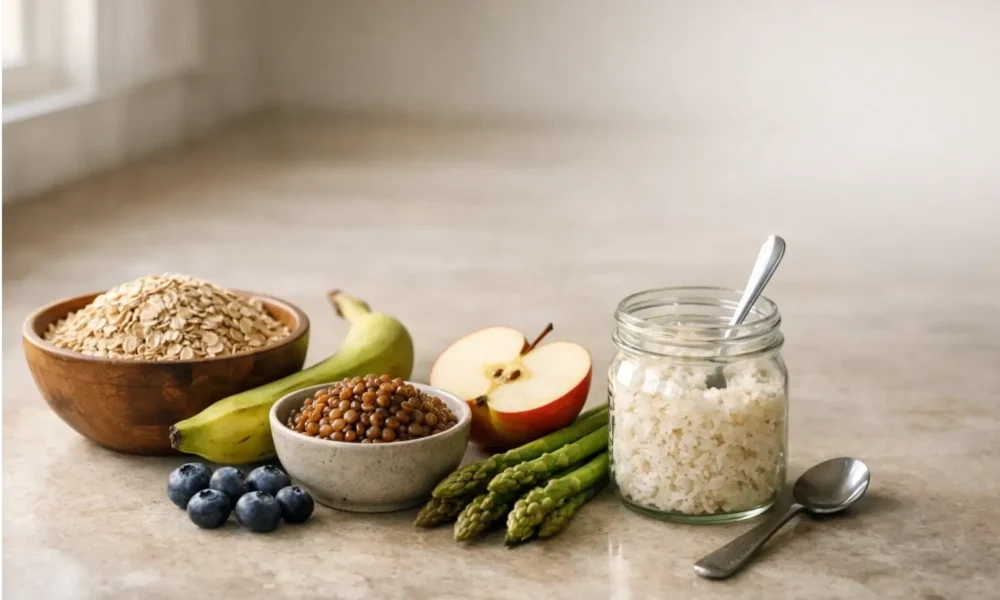
What Prebiotics Are and Why They Matter
For a while, “gut health” became code for “take a probiotic and hope for the best.” And look, I get it. It feels productive. You swallow a capsule, you carry on, you feel like a responsible adult.
Table Of Content
- What Prebiotics Are and Why They Matter
- Why Does This Matter?
- Prebiotics vs Probiotics vs Synbiotics
- How Prebiotics Work Inside Your Gut
- Short-Chain Fatty Acids and Why They’re Important
- The Main Types of Prebiotic Fibers in Food
- Inulin and Fructooligosaccharides
- Resistant Starch
- Beta-Glucans and Pectins
- The Best Prebiotic Foods to Eat More Often
- Allium Vegetables and Greens
- Legumes and Pulses
- Whole Grains and Seeds
- Fruits and Starchy Plants
- Simple Ways to Add More Prebiotics Without Upsetting Your Stomach
- Who Should Be Careful With Prebiotics
- IBS, FODMAP Sensitivity, and Gas Triggers
- Final Thoughts
- FAQs
- How long does it take to notice a difference?
- Can prebiotics cause bloating?
- Are prebiotic supplements worth it?
- What is the easiest prebiotic food to start with?
But prebiotics are the quieter, more practical part of the story.
Prebiotics are food for the helpful microbes already living in your gut. The widely used scientific definition (from an expert panel) is: a substrate that is selectively used by your gut microorganisms and gives a health benefit.
In normal-person terms: prebiotics are usually certain fibers and plant compounds that your body can’t fully break down, so they reach your large intestine where your gut microbes can use them.
Why Does This Matter?
Because a lot of what we call “gut health” comes down to whether your gut bacteria have steady, reliable fuel. When they do, they can make useful byproducts (we’ll get to those), and your digestion tends to behave more like a calm roommate and less like a chaotic gremlin.
Prebiotics vs Probiotics vs Synbiotics
These three get mixed up constantly, so here’s the simplest way to think about it:
- Probiotics are live microorganisms you consume (often in fermented foods or supplements). They’re basically “adding new guests.”
- Prebiotics are the food those microbes like to eat. You’re stocking the fridge.
- Synbiotics are a mix of both, meaning probiotics plus the kind of fuel that helps them survive and do their thing.
Important note: not all fiber is automatically a prebiotic. A fiber needs to be used in a selective way by gut microbes and be linked to a benefit.
How Prebiotics Work Inside Your Gut
Most prebiotics make it through your small intestine mostly untouched. Then they hit the large intestine, where your gut microbes ferment them.
Fermentation is not some fancy wellness word. It’s just the process of gut bacteria breaking down these fibers and making compounds as a result. One of the biggest “results” we care about is short-chain fatty acids.
This is also why prebiotics can cause gas at first. If you suddenly toss a lot of fermentable fiber into the system, your gut microbes throw a little feast, and you may feel the… social consequences.
The goal is not “more fiber at any cost.” The goal is the right types, in a way your gut can handle.
Short-Chain Fatty Acids and Why They’re Important
Short-chain fatty acids (often shortened to SCFAs) are small compounds made when gut microbes ferment certain fibers. The main ones are acetate, propionate, and butyrate, and together they make up the vast majority of SCFAs in the gut.
They matter because they’re tied to things like:
- Supporting the gut lining and barrier function
- Helping create a gut environment that favors helpful microbes
- Serving as fuel, especially for cells in the colon (butyrate gets a lot of attention here)
This isn’t magic. It’s basic biology: feed certain microbes, they ferment fiber, SCFAs get produced, and your gut lining tends to do better.
The Main Types of Prebiotic Fibers in Food
Prebiotic fibers show up in real, normal foods. You don’t need a “gut health aisle” haul (unless you enjoy that as a hobby). The big categories you’ll see most often include inulin and FOS, resistant starch, and certain soluble fibers like beta-glucans and pectin.
Inulin and Fructooligosaccharides
Inulin and fructooligosaccharides (FOS) are prebiotic fibers found in a lot of everyday plant foods. Common sources include things like garlic, onions, chicory, asparagus, bananas, and wheat.
They’re known for being highly fermentable, which is great for feeding certain gut microbes… but it’s also why they can be a bit much for some people at first (especially if you’re sensitive to FODMAPs).
If you’ve ever eaten a suspicious amount of onion and thought, “Why is my stomach speaking in Morse code?”, yeah. That.
Resistant Starch
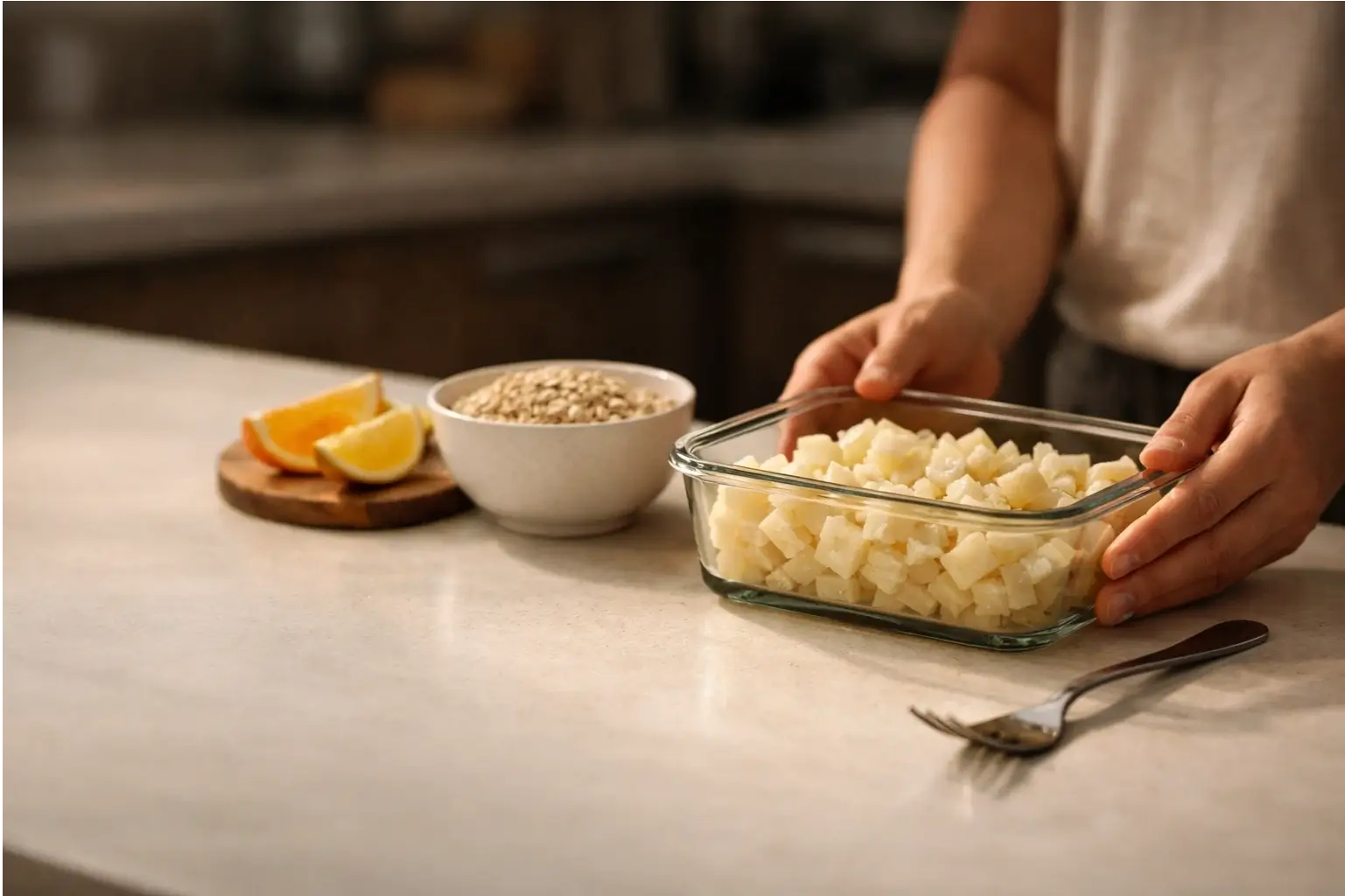
Resistant starch is exactly what it sounds like: starch that resists digestion in the small intestine, so it reaches the colon where gut bacteria can ferment it.
It shows up in foods like:
- Cooked-and-cooled potatoes or rice
- Slightly green bananas
- Beans and lentils
- Some whole grains
Research reviews describe resistant starch as a dietary component that can shape the gut microbiome and support SCFA production.
A very real-life tip: cooling cooked starches (like rice or potatoes) can increase “retrograded” resistant starch. That doesn’t mean you have to meal-prep like a robot. It just means leftovers can quietly work in your favor.
Beta-Glucans and Pectins
Beta-glucans are a type of soluble fiber found mainly in oats and barley.
They can be fermented by gut microbes, and that fermentation is connected to SCFA production.
Pectin is another soluble fiber found in many fruits and vegetables, especially apples and citrus fruits.
Pectins and related compounds are also fermentable, which means they can support SCFA production too.
If your gut likes gentle, steady fiber, these are often a good place to start.
The Best Prebiotic Foods to Eat More Often
You don’t need to eat every prebiotic food on earth. The real win is picking a few you actually like, and eating them regularly.
Allium Vegetables and Greens
This is the garlic-onion-leek family, plus a few leafy options.
Examples:
- Onions
- Garlic
- Leeks
- Spring onions
- Asparagus
- Dandelion greens
These are well-known sources of inulin and related prebiotic fibers.
How to make them easier to handle:
- Use cooked onions instead of raw at first
- Try garlic-infused oil (flavor without as much fermentable fiber)
- Add small amounts daily instead of a huge hit once a week
I know garlic is basically a personality trait for some of us. Just pace yourself.
Legumes and Pulses
Legumes are a gut microbiome power move, if your stomach agrees.
Examples:
- Lentils
- Chickpeas
- Black beans
- Kidney beans
- Split peas
They contain different fermentable fibers, including galacto-oligosaccharides (GOS), which are considered prebiotic compounds.
Legumes can also be a common trigger for gas for some people, especially if you jump from “zero beans” to “bean-based lifestyle overnight.” If you want the benefits without the drama:
- Start with a few spoonfuls, not a full bowl
- Choose canned beans and rinse them well
- Try lentils, which many people find easier than larger beans
Whole Grains and Seeds
Whole grains are not all the same, but some are especially helpful for feeding gut microbes.
Examples:
- Oats (beta-glucans)
- Barley (beta-glucans)
- Rye
- Whole wheat (tolerance varies)
Seeds can also help you nudge your fiber intake up without needing a full diet makeover:
- Ground flaxseed (linseeds)
- Chia seeds
If you deal with bloating, even the NHS suggests oats and a small amount of linseeds as options that can be gentler for some people.
Fruits and Starchy Plants
This category is underrated because it’s the least “wellness influencer-coded.” It’s just… food.
Examples:
- Apples and citrus (pectin)
- Bananas, especially firmer ones
- Berries (generally easier for many people)
- Cooked-and-cooled potatoes or rice (resistant starch)
If you want the simplest prebiotic habit that still feels like a normal life: fruit with breakfast, and a cooling leftover starch a couple times a week.
Simple Ways to Add More Prebiotics Without Upsetting Your Stomach
This is where most people mess up, and I say that with love, because I’ve also done the “suddenly I eat three cups of lentils” thing. Bold choice. Regret followed.
Here’s what works better:
- Start small and repeat often. Your gut microbes respond to consistency. You don’t need a massive dose.
- Cook your fibers when needed. Cooking onions, leeks, and some vegetables can make them easier to tolerate, even though the prebiotic fibers are still there.
- Mix types instead of stacking one type. If you eat a huge amount of one prebiotic source, your gut might protest. A little from different foods is often smoother.
- Pair prebiotic foods with protein and fat. This helps meals feel steadier and less like “fiber alone, floating in space.”
- Give it time. Some people notice changes quickly, but for many of us it’s a gradual shift. That’s normal.
If you feel bloated, it doesn’t always mean the food is “bad.” Sometimes it just means you added too much, too fast.
Who Should Be Careful With Prebiotics
Prebiotics are helpful for many people, but they’re not a universal green light.
If you have ongoing digestive symptoms, new intense bloating, pain, or major bowel changes, it’s worth speaking with a healthcare professional. Food can be supportive, but it’s not meant to replace proper medical advice.
Also, if you’re already doing “everything right” and your gut still acts unpredictable, you’re not failing. Bodies are weird. Life is stressful. Sometimes your stomach is just dramatic.
IBS, FODMAP Sensitivity, and Gas Triggers
If you have IBS or you suspect you’re sensitive to fermentable fibers, prebiotics can feel tricky.
Many classic prebiotic foods (like onions, garlic, some legumes, and wheat-based foods) are also high in FODMAPs, which are fermentable carbs that can trigger IBS symptoms in some people.
The low FODMAP approach (developed by researchers at Monash University) limits certain fermentable carbs that can aggravate symptoms like bloating, gas, and pain.
The NHS also lists beans and onions among foods that can worsen bloating for some people with IBS.
If this sounds like you, you can still support your gut without suffering:
- Choose oats as a steady soluble fiber option
- Try small portions of lentils or chickpeas and see how you do
- Use berries and citrus as gentler fruit picks
- Focus on what you tolerate, not what the internet says you “should” eat
The best gut plan is the one you can actually live with.
Final Thoughts
Prebiotics are not flashy. They don’t come with a dramatic “before and after.” They’re more like boring, dependable support.
And honestly, that’s the kind of wellness habit I trust most.
If you want a simple starting point, pick one prebiotic food you already like and eat a small amount consistently for a couple of weeks. Oats, a banana, a spoon of lentils, a little onion cooked into dinner. Nothing extreme.
Your gut doesn’t need a personality makeover. It just needs regular meals it can work with.
FAQs
How long does it take to notice a difference?
Some people notice changes in digestion within a few days, mostly in stool regularity or comfort. For many of us, it’s more gradual and takes a few weeks of steady intake. Your gut microbiome shifts based on what you eat consistently, not what you do once in a while.
Can prebiotics cause bloating?
Yes, especially at the start. Prebiotics are fermented by gut bacteria, and fermentation can produce gas. This is more likely if you increase fiber quickly or choose very fermentable foods like onions, garlic, and legumes. Starting small and building slowly usually helps.
Are prebiotic supplements worth it?
Sometimes, but food-first tends to be easier and more balanced. Supplements can be useful if you struggle to get enough fiber through food, or if you’re working with a professional who’s guiding you. If you try one, go for a low dose and pay attention to how your body reacts.
What is the easiest prebiotic food to start with?
Oats are a good first step for many people because they’re widely tolerated and easy to eat regularly, and they contain soluble fiber like beta-glucans.



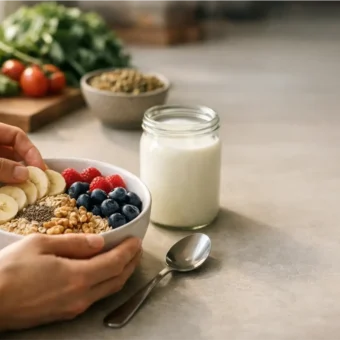
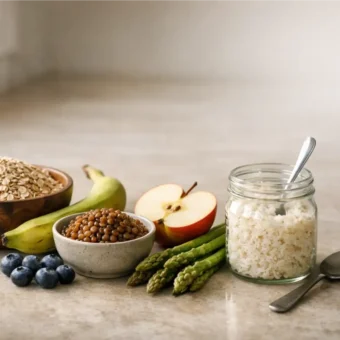

[…] Prebiotic foods feed your beneficial bacteria. Good sources include onions, garlic, leeks, asparagus, bananas (especially slightly green ones), oats, and legumes. […]