




Multigenerational Living: Designing Your Home for Three Generations Under One Roof
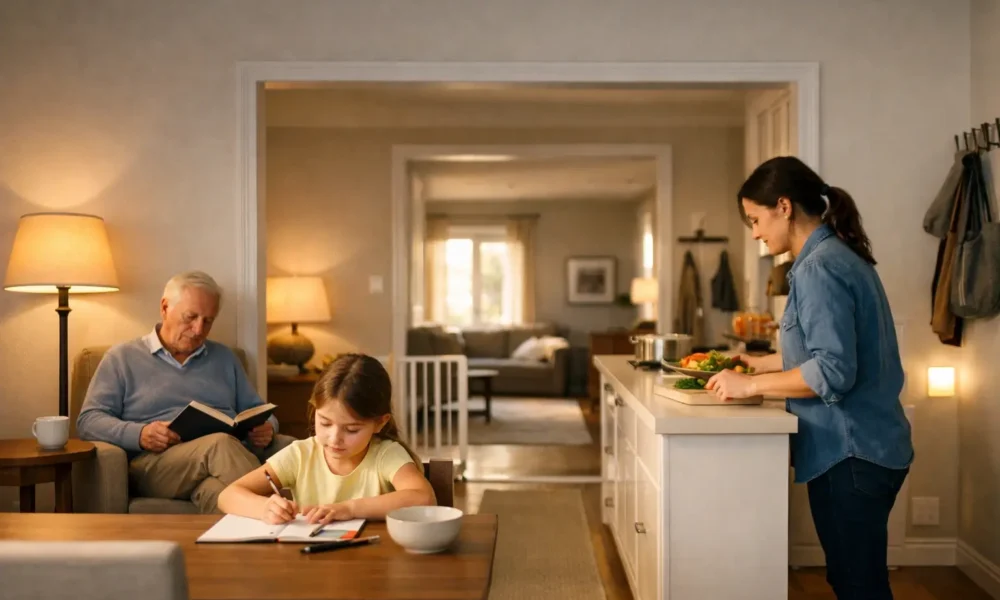
Three generations. One house. Big emotions.
If you’re feeling overwhelmed, you’re not alone.
Home advice online can clash, and one wrong move can cost real money or create safety risks.
Table Of Content
- What Multigenerational Living Really Means and Why It’s Rising
- The 3 Main Reasons Families Choose It
- Choose Your Living Model First
- Model A: One Household, Zoned Rooms
- Model B: Annexe or Self-Contained Wing
- Model C: Separate Dwelling on the Same Plot
- Layout Rules That Keep Everyone Close Without Driving Anyone Mad
- Privacy by Design
- Multiple Entrances
- Soundproofing
- Accessibility That Works for Kids, Adults, and Older Relatives
- The Must-Haves Most Families Actually Install
- Bathrooms That Won’t Become a Daily Problem
- Stairs Plan (Now and Later)
- Kitchen and Dining Design for Three Generations
- Safer, Lower-Effort Cooking for Everyone
- Storage and Multi-Functional Spaces
- Outdoor Space, Parking, and Easy Access In and Out
- Accessible Garden Design Basics
- UK Rules You Can’t Ignore
- Can You Build an Annexe or Outbuilding Without Planning Permission?
- Building Regulations Touchpoints
- Council Tax and Annexes
- The Family Plan: Roles, Money, Boundaries, Care
- Household Agreements That Prevent Conflict
- Financial Expectations
- Care Plan and Burnout Prevention
- Real Examples of What Good Looks Like
- Checklist: Design Your Multigenerational Home in 30 Minutes
- FAQ
- What is multigenerational living?
- What are the benefits of a multigenerational household?
- What are the biggest challenges (privacy, noise, conflict)?
- What is the best layout for three generations under one roof?
- Do I need planning permission for an annexe or garden outbuilding in the UK?
- What accessibility changes matter most?
- Should I add a second living room?
- Is a lift or stairlift worth it in a family home?
- What bathroom changes help older relatives and children?
- How do we split bills and responsibilities fairly?
- Does an annexe affect Council Tax?
- How do we avoid caregiver burnout in a multigenerational home?
We’re going to keep this plain, UK-first, and practical.
We’ll focus on layouts, materials, and rules that hold up in real homes.
We’ll also call out where things go wrong, so you don’t learn the hard way.
What Multigenerational Living Really Means and Why It’s Rising
Multigenerational living means two or more adult generations share one address.
That can mean parents, grandparents, and kids.
It can also include adult “boomerang children” who move back in after uni, rent hikes, or a breakup.
This isn’t a rare setup anymore.
Aviva has reported multi-generational households at a scale that’s hard to ignore.
And the Office for National Statistics has also shown more young adults living with parents compared with a decade ago.
The 3 Main Reasons Families Choose It
Housing costs push families together.
High rents and mortgage pressure make pooled bills feel safer.
Care needs pull families together.
Ageing parents, rising care costs, and day-to-day support make “under one roof” practical.
Kids also benefit from backup.
School runs, after-school care, and loneliness prevention can all play a part.
Choose Your Living Model First
Don’t start with finishes. Start with the model.
Your model decides entrances, bathrooms, soundproofing, and rules.
It also helps you avoid a plan that looks good on paper but fails at 7am on a Monday.
Model A: One Household, Zoned Rooms
This suits families who want shared life, plus breathing space.
Think zoned living: quiet zones, noisy zones, and clear lines between them.
A simple example:
Kids’ bedrooms sit near a family bathroom, while grandparents get a calmer corner near a downstairs WC.
Model B: Annexe or Self-Contained Wing
This is together, but separate.
A true annexe works best with a separate entrance, its own living space, and at least a kitchenette.
This model often starts as an extension, loft conversion, or outbuilding like a garden room.
Plan it as a home, not a spare room with a kettle.
Model C: Separate Dwelling on the Same Plot
This is the highest privacy option.
It can mean a small bungalow on the plot, or a fully separate unit where rules allow.
It costs more to set up, but it can protect relationships.
It also helps if shift work, care routines, or different bedtimes clash.
Layout Rules That Keep Everyone Close Without Driving Anyone Mad
Good layouts don’t rely on good moods.
They work even when someone’s tired, ill, or stressed.
That’s the goal.
Privacy by Design
Privacy needs space and friction points.
Give each generation at least one “yours” zone.
Even a small chair-and-lamp corner in a bedroom can calm a whole house.
If you can, add a second living room.
That one choice can stop daily conflict before it starts.
Multiple Entrances
Two entrances can change everything.
One door handles school bags and deliveries.
The other lets grandparents come and go without feeling like a guest.
This also helps carers or visiting nurses.
It keeps routines smooth, and it reduces awkward “who’s coming in now?” moments.
Soundproofing
Noise causes more fights than paint colours.
We see it all the time: a “perfect” extension, then everyone hears everything.
Fixing sound after the build often costs more than doing it right upfront.
Here’s the simple idea.
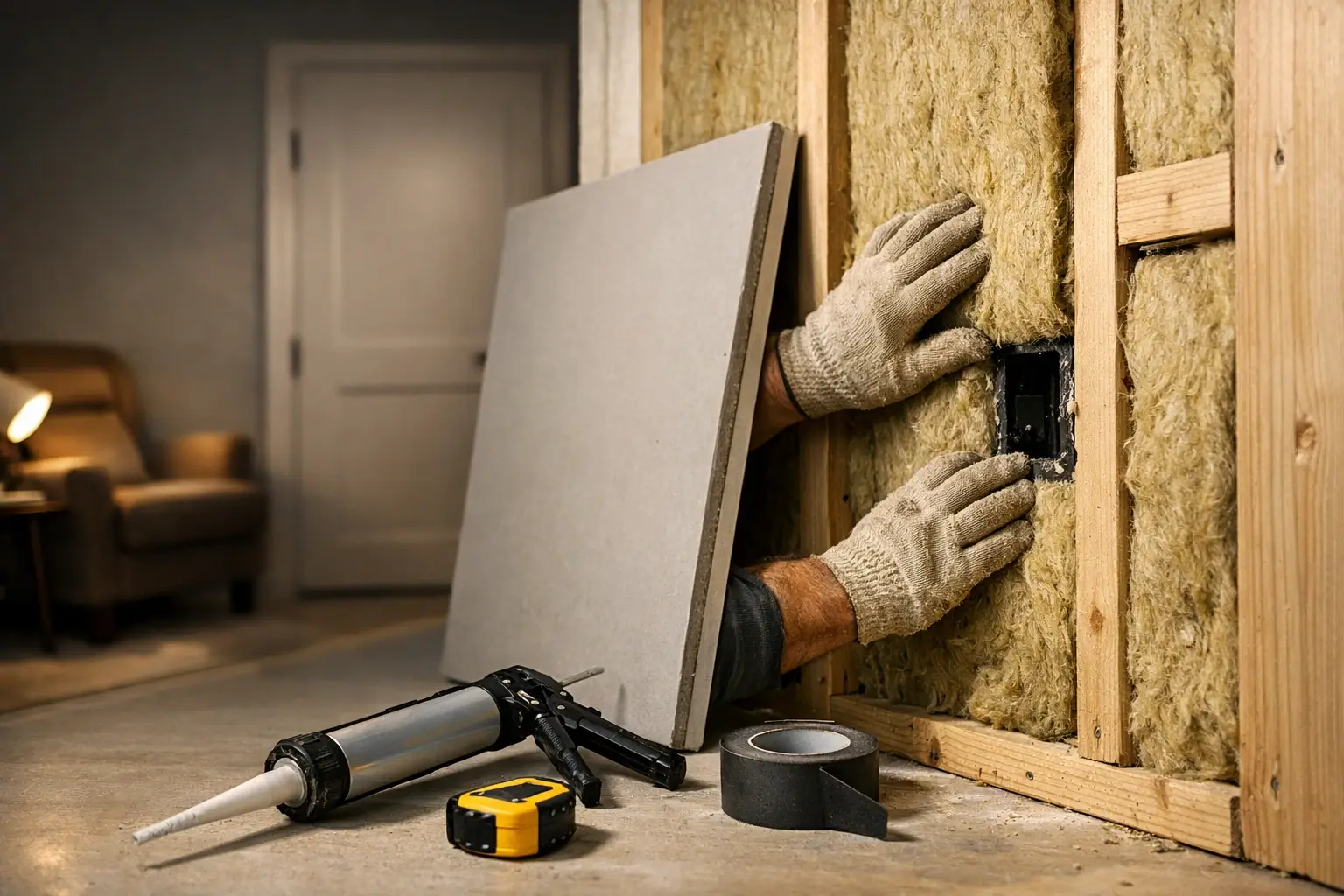
Sound travels through gaps, light doors, and hollow walls.
You slow it down with mass, soft fill, and airtight edges.
What usually works best in real homes:
- Mineral wool insulation in stud walls and ceilings to absorb sound in the cavity.
- Two layers of plasterboard or acoustic board on key walls for extra mass.
- Sealed edges around sockets, pipes, and skirting, because small gaps leak noise.
Where soundproofing fails:
- A solid wall, but a cheap hollow door.
- Great insulation, but unsealed gaps around pipes.
- A “quiet room” under a hard-floor playroom with no impact layer.
Accessibility That Works for Kids, Adults, and Older Relatives
Accessibility isn’t just for old age.
It helps with prams, groceries, and injuries too.
Done early, it also keeps you from ripping things out later.
A lot of UK homes don’t meet basic access needs.
Centre for Ageing Better has highlighted how rare truly accessible homes are.
The Must-Haves Most Families Actually Install
Wide doorways stop daily bumps and bruises.
Good lighting cuts trips on stairs and in halls.
A downstairs bedroom plus downstairs bathroom can save a family during illness or recovery.
Also watch the thresholds.
Level thresholds and step-free access matter more than people expect.
Bathrooms That Won’t Become a Daily Problem
Bathrooms break routines fast.
One slow bathroom can create a morning bathroom bottleneck that hits every generation.
Fix it with layout, not arguments.
A wetroom-style shower helps when mobility drops.
But wetrooms need proper waterproofing and the right floor falls, or leaks can follow.
Grab rails work best when walls can take the load.
That often means reinforced walls or timber noggins behind the plasterboard.
Bathroom doors matter too.
An outward-opening bathroom door can help in an emergency if someone falls behind it.
Stairs Plan (Now and Later)
Stairs can become the no-go zone.
Plan for that before it happens.
Even if nobody needs help today, space planning costs little at design stage.
A stairlift can keep an older relative using every floor.
A home lift can also help, especially in taller houses.
The key detail is space.
Leave a place where a lift could fit later, or you may lose rooms to make it work.
Kitchen and Dining Design for Three Generations
The kitchen takes the hardest hit.
More people means more traffic, more hot drinks, more sharp tools.
Small choices here prevent a lot of daily stress.
Safer, Lower-Effort Cooking for Everyone
Think in one-hand moves.
A grandparent might carry a cup with one hand.
A child might rush in behind them.
Lower worktops or a pull-out section can help seated use.
Good task lighting cuts accidents when chopping and pouring.
Be careful with instant hot taps.
They can raise scald risk, so check the product safety features and fit it correctly.
Storage and Multi-Functional Spaces
Storage prevents clutter.
Clutter creates trip hazards and stress.
That links straight to safety, not style.
Aim for two simple zones:
A quick-grab zone for kids, and a higher, safer zone for knives and cleaners.
Outdoor Space, Parking, and Easy Access In and Out
Access starts outside.
If the path’s steep or slippery, the best interior layout won’t help.
We need the whole route to work.
Accessible Garden Design Basics
Keep at least one route flat and firm.
Add a ramp where steps block the way.
Raised beds help older relatives keep gardening without kneeling.
Also plan parking.
A wider bay and a shorter path to a door can cut falls in bad weather.

UK Rules You Can’t Ignore
Rules feel stressful because people explain them badly.
We’ll keep it simple.
When in doubt, check early, because the wrong build path costs time and money.
Can You Build an Annexe or Outbuilding Without Planning Permission?
In some cases, yes. Many outbuildings count as Permitted Development, but only if you meet all limits and conditions on size, height, and placement. Rules change on designated land, listed buildings, and some protected areas. If you miss one condition, you may need a full planning application.
Check guidance before you spend.
Building Regulations Touchpoints
Planning and Building Regulations aren’t the same thing.
Even when planning isn’t needed, Building Regulations can still apply.
This is where safety, access, drainage, structure, and fire escape come in.
Part M covers access and use.
It’s where step-free access, circulation space, and usability standards sit.
Part B covers fire safety.
Think escape routes, smoke alarms, and how fire can spread through a home.
We recommend early chats with building control, not late panic.
Also flag any loft conversion or new internal stairs early, because escape routes can change.
Council Tax and Annexes
An annexe can be separately banded for Council Tax.
That can surprise families after the build.
Some councils apply a discount when a family member uses the annexe or it forms part of the main home.
This is also a good time to ask about address details and services.
A separate entrance can affect how councils and utilities see the space.
The Family Plan: Roles, Money, Boundaries, Care
A home plan can’t fix every issue.
But it can lower stress and stop repeat fights.
We also need a how-we-live plan.
Household Agreements That Prevent Conflict
Write simple house rules.
Think quiet hours, shared spaces, and guest expectations.
A short weekly family meeting can stop problems stacking up.
Also set privacy rules.
Knocking sounds small, but it protects dignity.
Financial Expectations
Money tension ruins good builds.
Agree bill splits, food costs, and who pays for upgrades.
Put it in writing, even if it feels awkward.
If one generation pays for an extension, talk to a solicitor.
That helps if ownership changes later.
Care Plan and Burnout Prevention
Care needs can grow fast.
That’s how caregiver burnout hits the sandwich generation.
Build a backup plan now.
Who steps in when the main carer gets ill, travels, or simply needs rest?
Real Examples of What Good Looks Like
Good doesn’t mean huge.
Good means clear zones, safe access, and less daily friction.
Here are two real-world patterns we see again and again.
Example 1: Zoned living in one house
A family keeps one shared kitchen-diner.
They add a second living room near a quieter bedroom zone, so noise and TV habits don’t collide.
Example 2: A proper annexe, not a spare room
A self-contained floor or attic conversion works better when it has its own living space and a clear entrance route.
Property guides often call out ancillary accommodation like this as a key feature in multigenerational homes.
UK demand for these setups isn’t a small niche.
NHBC has discussed demand at a scale that makes builders pay attention.
Also, practical adaptation choices show up in real surveys.
Common upgrades include wider doorways, downstairs bedrooms, separate living areas, and lifts.
Checklist: Design Your Multigenerational Home in 30 Minutes
Grab paper. Walk the home. Keep it honest.
We’re looking for stress points, not Instagram moments.
- Pick the model. Model A, B, or C.
- Mark quiet and loud zones. Bedrooms vs living spaces.
- Count bathrooms. Find the morning bottleneck.
- Plan a downstairs option. Bedroom plus bathroom, if possible.
- Check thresholds and door widths. Step-free beats step-later.
- Plan sound separation. Bedrooms, offices, and living rooms first.
- Map entrances and routes. Doors, paths, parking, lighting.
- Do a rules check. Permitted Development, building control, Council Tax questions.
If you want one quick win, start with lighting.
Good lighting on stairs and halls pays back every day.
FAQ
What is multigenerational living?
Multigenerational living means two or more adult generations share one home, often with children too. It can be parents and grandparents, or adult children who move back in. The key feature is shared day-to-day life, not just visits, while each person still needs privacy and safe space.
What are the benefits of a multigenerational household?
The main benefits are shared costs, shared care, and shared time. Families can split bills, help with childcare, and support older relatives without long travel. Many also say it helps with loneliness, because someone’s usually around when life feels heavy or stressful.
What are the biggest challenges (privacy, noise, conflict)?
The biggest challenges are noise, lack of privacy, and unclear roles. Small issues repeat fast when people share kitchens, bathrooms, and routines. Conflict often starts with tiredness and bottlenecks, not big drama. A plan for zones, quiet time, and responsibilities keeps things steadier.
What is the best layout for three generations under one roof?
The best layout gives each generation a home base plus one shared hub. Aim for separate sleeping zones, at least one quiet living space, and a clear route to a bathroom at night. If space allows, a second living room and a second entrance help daily life run smoother.
Do I need planning permission for an annexe or garden outbuilding in the UK?
You might not, because some outbuildings fall under Permitted Development. But you must meet all limits on height, size, and placement, and rules change on designated land or listed buildings. If the plan misses one condition, you may need a full planning application or prior approval steps. Do official checks before you commit.
What accessibility changes matter most?
Start with step-free access, good lighting, and enough space to move around safely. Wide doorways help wheelchairs, prams, and walking aids. A downstairs bedroom and bathroom can save a family during illness or recovery. These changes also protect kids who run, trip, and carry heavy bags.
Should I add a second living room?
If you’ve got the space, yes, because it protects privacy and reduces noise clashes. Separate living rooms let kids play while adults rest, or let grandparents watch TV without feeling in the way. It also gives working-from-home zones a place to exist without constant interruption.
Is a lift or stairlift worth it in a family home?
A stairlift or home lift can keep an older relative using the full house, which supports independence. It can also help parents carrying toddlers, laundry, or shopping. The key is space and structure, so plan early, because later installs may force awkward layout changes or extra building work.
What bathroom changes help older relatives and children?
A walk-in or wetroom-style shower can be easier and safer than a bath, but it must be waterproofed correctly. Add grab rails with proper wall support, use non-slip flooring, and improve lighting. If possible, fit the bathroom door to open outwards for emergency access.
How do we split bills and responsibilities fairly?
Start with a simple list: bills, food, cleaning, childcare, and care tasks. Agree who pays what, and how often you review it. Put it in writing to avoid “I thought you meant” arguments later. If property ownership changes, speak to a solicitor before work starts.
Does an annexe affect Council Tax?
Yes, it can, because some annexes are separately banded and billed. Many councils offer a discount when a family member lives in the annexe, or when the space forms part of the main home. Ask early, because the billing rules can surprise families after building work finishes.
How do we avoid caregiver burnout in a multigenerational home?
Treat care like a rota, not a favour. Share tasks, plan breaks, and set clear limits so one person doesn’t carry the full load. Build a backup plan for illness, travel, and exhaustion. A weekly check-in helps spot stress early, before resentment builds and the home feels tense.
If you want, we can turn your own floorplan into a zone map on paper: entrances, quiet areas, bathroom routes, and the top three risk points. That one exercise often makes the next decision feel far less scary.






[…] weatherproofing means stopping wind, rain, and temperature swings from sneaking into your home through weak points like roofs, gutters, doors, windows, and walls. It usually includes draught proofing, checking roof tiles and […]
[…] is where universal home design shines. Small changes can remove daily friction, even if nobody in your home has a […]
[…] Accessory Dwelling Unit (ADU) is a legal, self-contained living space on the same lot as a main home. Most include a kitchen, bathroom, sleeping area, and a separate […]