




Ultimate Guide to Set-Jetting: Travel Like Your Favorite Characters
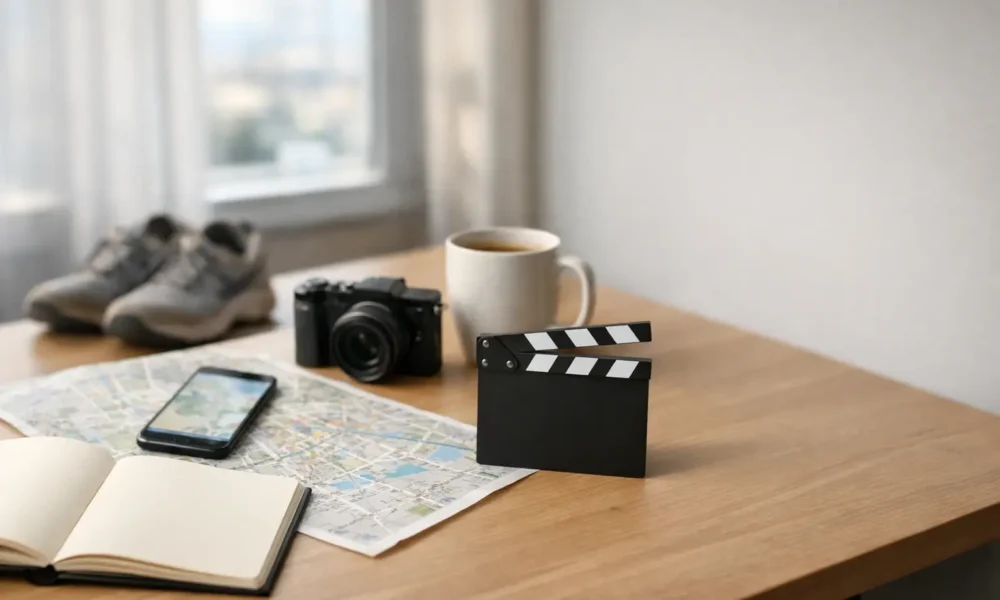
Set-jetting turns screens into plans. One minute you’re watching Bridgerton or The Crown. Next minute you’re wondering where to stay, what’s worth the time, and how not to get ripped off.
That worry is normal. Tourist traps, sketchy “VIP” tickets, confusing transport, and crowded photo spots can spoil the fun fast. I wrote this to give you simple choices, realistic budgets, and calmer days.
What is set-jetting?
Set-jetting means travelling to real-life places you’ve seen on screen, from TV tourism to movie tourism. A set-jetter picks filming locations, plans an on-location route, then visits the exact spots from iconic scenes. People also call it film tourism, screen tourism, or a location vacation.
You’ll see it written as set-jetting or set jetting. You might also see “film-induced tourism” in media write-ups. Same idea, different label.
Where the term came from
Golden Tours notes the phrase was first referenced in a 2007 New York Post article. The habit is older than the name. Streaming just made it easier to copy what we watch.
Why set-jetting is booming (and what the data says)
Streaming put places in reach. When a show drops, people search the shooting locations, then book trips fast. Expedia’s data links big surges to hits like The White Lotus and Ted Lasso, with searches jumping for Sicily, Hawaii, and Richmond.
Here are three numbers worth knowing:
- 66% of travellers say movies or TV have influenced their trips.
- Nearly 30% say TV and movies influence them more than before.
- Searches for Sicily and Hawaii jumped by more than 300% after The White Lotus.
How to plan a set-jetting trip (my five-step framework)
This keeps you from doing “one scene per hour” chaos. It also keeps costs under control. I use it for everything from Wednesday city breaks to Dune desert days.
- Pick your screen anchor. Choose one show or film, then list 2 to 5 nearby filming locations.
- Verify locations before you book. Start with official sites, then cross-check with a location database or app like SetJetters.
- Cluster by area. Plan one walkable zone per day, then add one backup indoor stop for rain.
- Choose: guided tour or DIY. Use tours for tight timelines and tricky access. Go DIY when everything sits within a 30-minute walk.
- Book the hard stuff first. Timed tickets, studio tours, and small-group walks sell out first in peak season.
The best set-jetting destinations (by vibe)
UK and Ireland classics (easy wins)
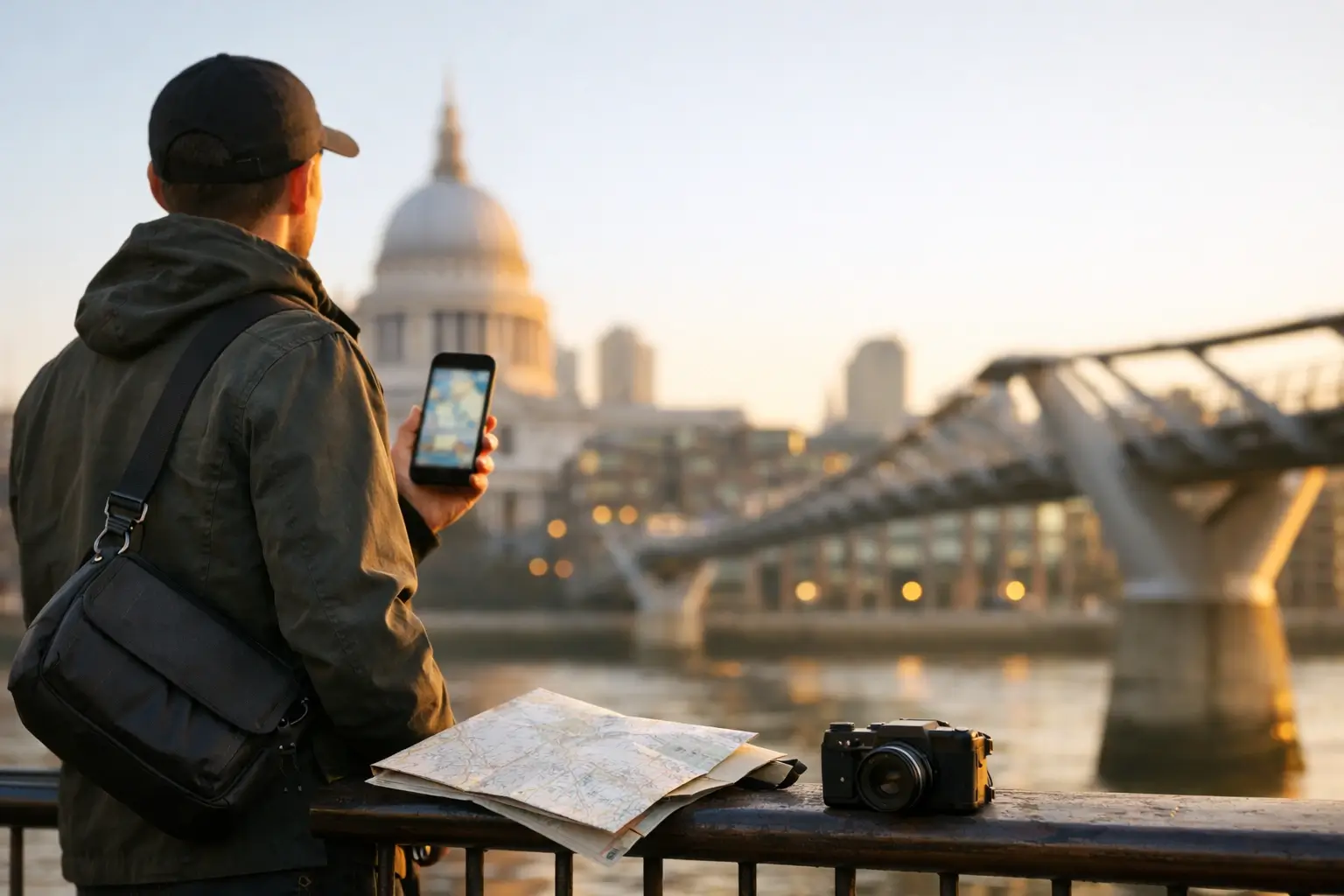
Start here if you’re new. London, Oxford, and Bath give you dense clusters with easy trains. Golden Tours calls out St Paul’s Cathedral, the Millennium Bridge, the Bodleian Library, plus Bond spots like the MI6 building and the National Gallery.
Want landscapes? Northern Ireland has Game of Thrones locations like the Dark Hedges, Dunluce Castle, and Tollymore Forest. Scotland adds Outlander mood and castles, but weather changes plans quickly.
Big cities, sleek style, modern drama
If you like Succession, Squid Game, or Ted Lasso, pick cities with strong public transport. You’ll spend less time in taxis. You’ll also have more food and museum options when a location looks different in real life.
Epic landscapes and road-trip energy
New Zealand suits Lord of the Rings and The Hobbit scale. Jordan’s Wadi Rum suits Dune vibes. Ireland’s Skellig Michael pulled crowds after Star Wars, and managers have used visitor caps to protect the site.
Sample itineraries you can steal
48 hours: London sampler
Day 1: St Paul’s area, Millennium Bridge, riverside walk, then a museum stop near Trafalgar Square. Day 2: Paddington-style spots, Notting Hill streets, then a quick view of the MI6 building from public space.
4 days: London + Oxford + one countryside add-on
Days 1 to 2: London sampler, plus one guided walk if you hate logistics. Day 3: Oxford for the Bodleian area and one college stop. Day 4: Lacock or a Cotswolds village, then back to London.
7 to 10 days: choose one “hero” base
Pick one region and stay put. That cuts packing, transfers, and stress. It also makes bad weather less of a disaster.
Do it responsibly (the “don’t ruin it” checklist)
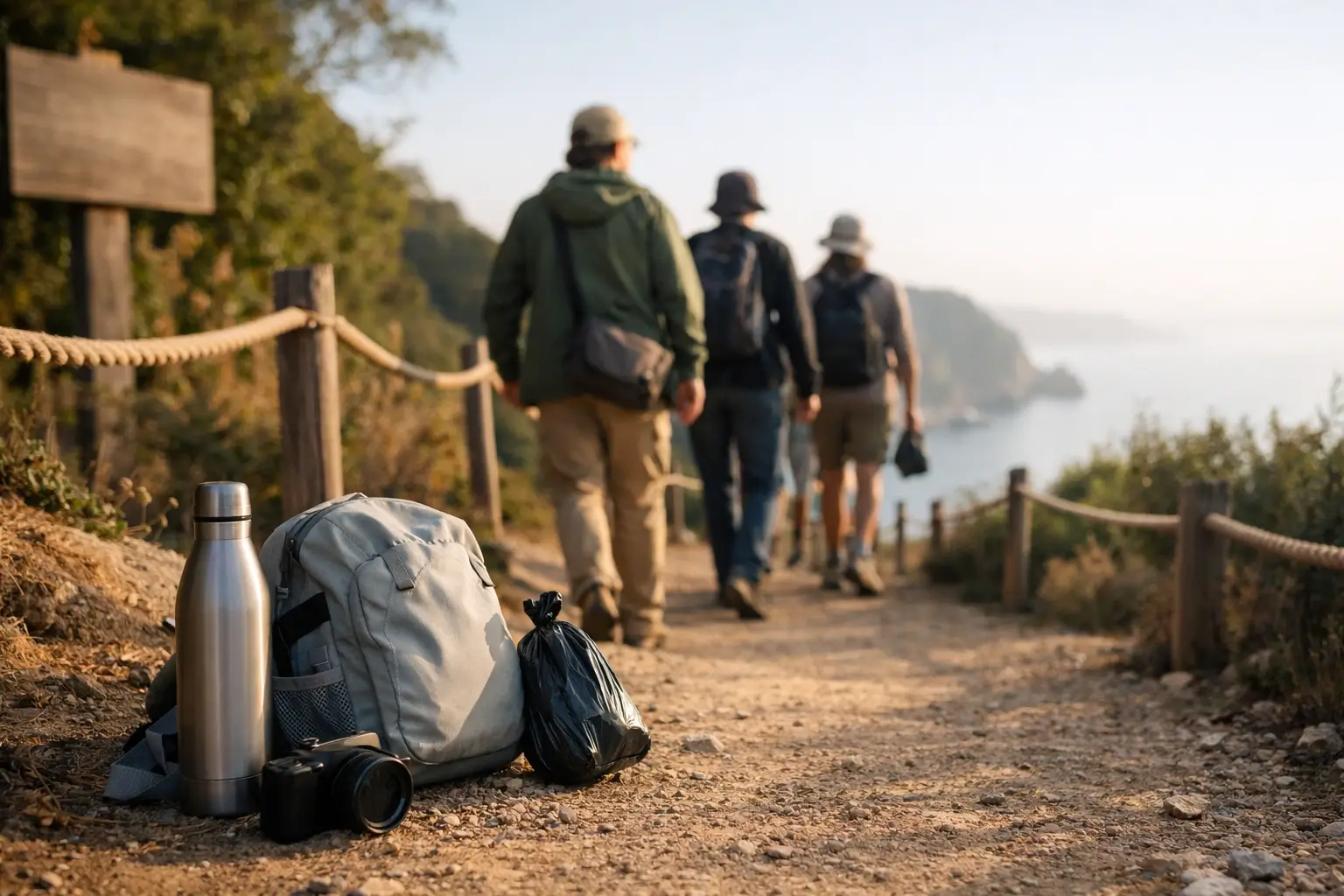
Architizer points to real homes needing fences and erosion at sites hit by heavy foot traffic. So yes, your behaviour matters. Use this checklist as your baseline:
- Stick to public paths and signs.
- Don’t block doors, driveways, or narrow pavements.
- Keep photos quick at residential spots, then move on.
- Choose early time slots and quieter months when you can.
- Use trains and buses where possible.
- Pack out rubbish and stay on marked trails.
FAQs
What is set-jetting (and how is it different from film tourism)?
Set-jetting is the fan-first version of film tourism. Film tourism can mean any trip tied to movies or TV, including studio museums. Set-jetting stays obsessively specific: you’re chasing a scene, a street corner, or a hotel balcony. Screen tourism is the same idea, just a different label.
Why is set-jetting so popular right now?
People binge-watch, then want a break that feels familiar. Streaming drops new worlds weekly, and social clips make landmarks look easy to reach. Expedia says TV and movies now inspire travel plans for more than half of travellers. That’s a strong pull.
How do I find real filming locations (not fake map pins)?
Start with official sources first: tourism boards, film offices, and the attraction’s own site. Cross-check with trusted location databases and fan communities, then match what you see to the scene. Apps like SetJetters can help you log verified spots before you go.
What are the best set-jetting destinations for beginners?
Pick places with easy transport and lots of options in one area. London, Bath, and Oxford work well, because you can mix filming locations with normal sightseeing. Add a day trip, and you’ll still sleep in the same bed each night.
Can you do set-jetting on a budget?
Yes, because many iconic scenes sit in free public spaces. Treat it like a walking tour: bridges, streets, viewpoints, and markets cost nothing. Save money by using public transport, packing snacks, and choosing one paid ticketed site per day max.
Are set-jetting tours worth it vs DIY?
They’re worth it when access is tricky, timing matters, or you want context fast. In London, a guided walking tour can stitch locations together without zig-zagging. DIY wins when you’ve got time, love wandering, and want to pause for cafés and museums.
What is the “White Lotus effect”?
It’s the rush that happens when a show makes one hotel or coastline look like the place to be. Expedia tracked searches for Hawaii and Sicily jumping by more than 300% after The White Lotus aired. The bigger the fandom, the faster the crowd arrives.
How far in advance should I book popular filming locations?
Book as soon as you fix your dates, especially for ticketed sites, studio tours, and small-group walks. For school holidays and summer weekends, I aim for 6 to 12 weeks out. If a new season has just aired, act faster and pick early time slots.
Is it okay to visit private homes seen on TV?
It’s okay to look from public space, but it’s not okay to cross a gate, block a driveway, or treat someone’s home like a set. Architizer notes real owners have had to add fences because of fan behaviour. Keep photos quick, and move on.
Is set-jetting bad for the environment (and how can I do it responsibly)?
It can be, if crowds crush fragile places or cars clog tiny roads. Architizer points to erosion and visitor caps at sites that weren’t built for mass foot traffic. I keep it lighter by using trains, booking off-peak, staying longer in one base, and leaving no trace.





No Comment! Be the first one.