




Modular vs Built-In-Place ADUs: Which Is Right for Your Property?
Introduction: Two Common Ways to Build an ADU
If you’re planning an accessory dwelling unit (ADU), you’ll usually end up choosing between modular and built-in-place construction.
Both can give you a legal rental unit, a private space for family, or a quiet work-from-home setup. The difference is how the unit gets built, and that changes the timeline, the type of disruption on your property, and where the hidden costs show up.
This guide is written for homeowners who want a clear, realistic way to choose between the two, without sales talk and without guesswork.
Modular vs Built-In-Place: What’s the Real Difference?
A built-in-place ADU is what most people picture when they hear “new build.” Crews show up, materials get delivered, and the unit is framed and finished on your property.
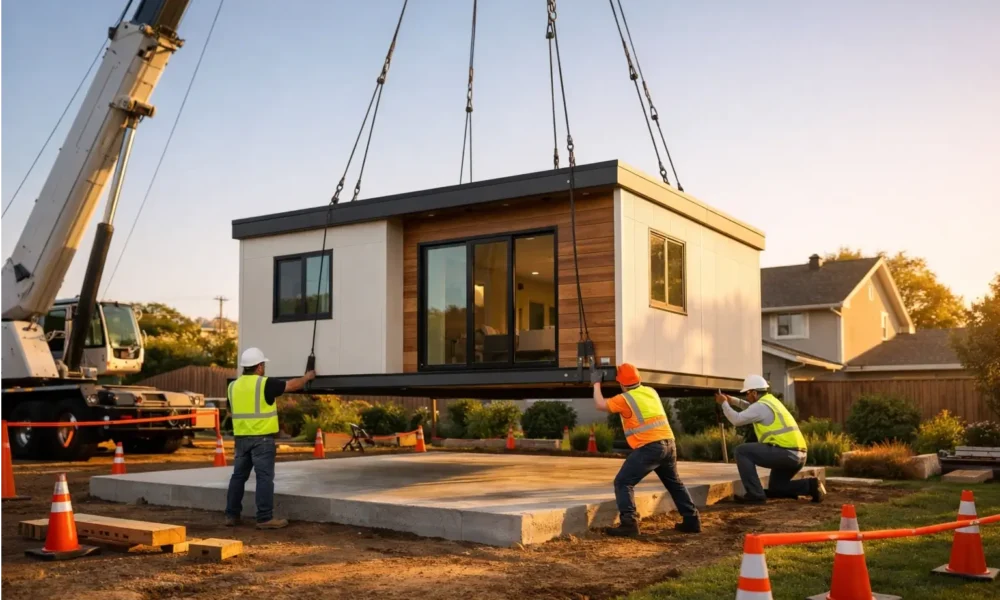
A modular ADU is built in large factory-built sections (modules), then delivered to your site and set onto a foundation. The factory work is done off-site, but you still need real site work, utility hookups, and inspections.
One important detail: modular construction is a method, not a separate building code. Modular ADUs are generally built to the same state and local codes as traditional builds for that location.
Modular ADUs: Factory-Built Sections Set on Site
A modular ADU is usually built in a factory while your site work is happening at the same time. That overlap is a big reason people look at modular in the first place.
What the Modular Build Usually Looks Like
Here’s the typical order:
- Choose a plan and specs (layout, window package, exterior finish level).
- Engineering is finalized for your local loads (wind, snow, seismic where needed).
- Foundation is built on your property while the unit is built in the factory.
- Delivery day happens fast: modules arrive on trucks and are set by crane.
- Finish work and connections happen on site: utility tie-ins, siding touch-ups, roofing seams, steps, skirting, and final inspections.
The Good Parts of Modular
Weather causes fewer delays during the main build because much of the work happens indoors.
Inspections can be more frequent in the factory environment than typical spot-checks on a site build.
There’s less time with a full construction zone in your garden, especially once the foundation is done.
The Parts People Don’t Plan For
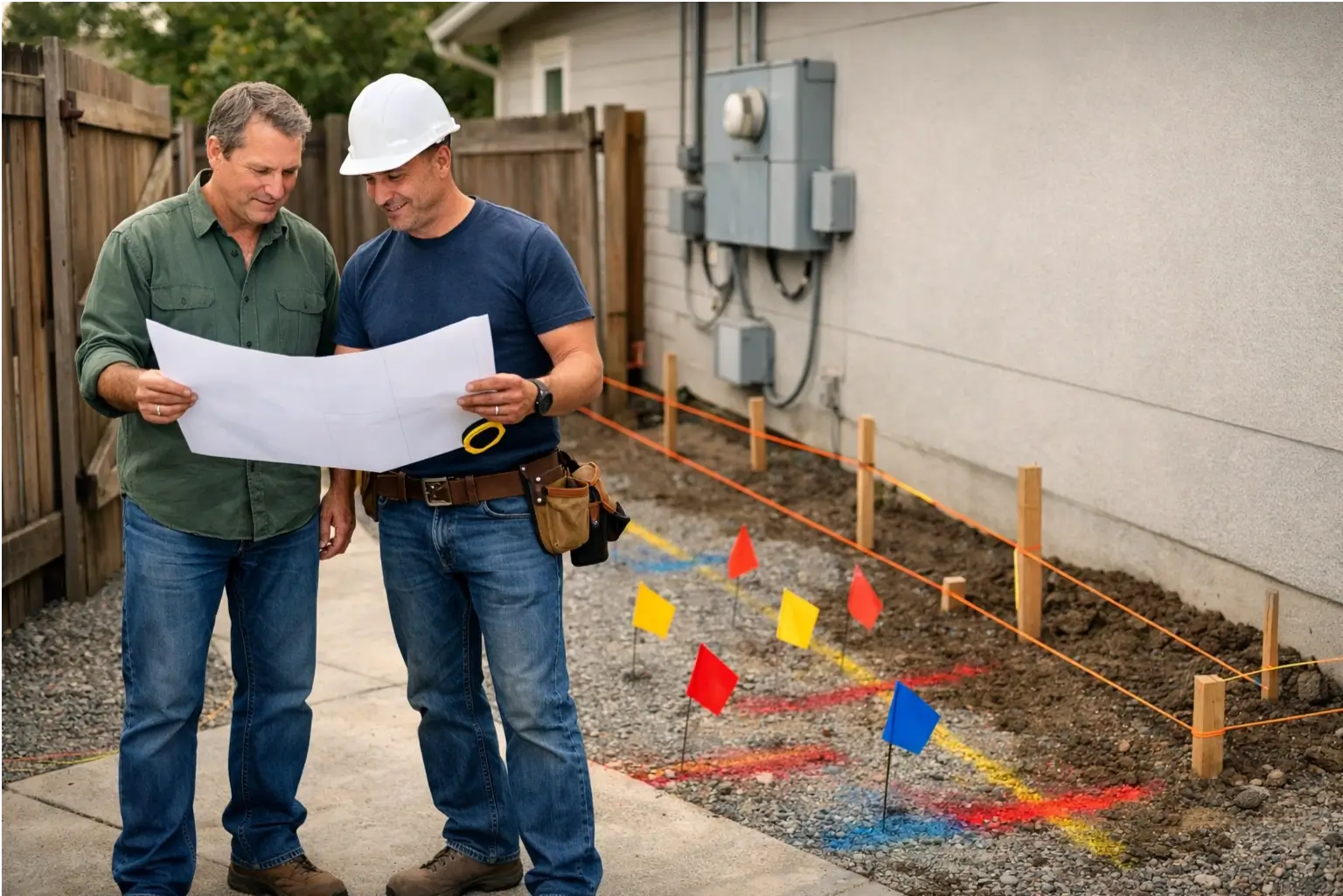
Delivery access is non-negotiable. If trucks and a crane can’t reach the pad, the whole plan can fail.
Cranes, rigging, and install costs can be real money. Some sources put crane and rigging costs in the low thousands to five figures depending on complexity and duration.
“Base price” is not the same as “move-in ready.” Many factory quotes don’t include trenching, service upgrades, hardscape repair, or exterior drainage work.
Built-In-Place ADUs: Traditional On-Site Construction
Built-in-place (sometimes called stick-built) means the ADU is constructed from the ground up on your property, step by step.
What the Built-In-Place Process Looks Like
Most projects follow this rhythm:
- Survey and design
- Permits
- Site prep and foundation
- Framing
- Roofing and windows
- Rough plumbing, electrical, HVAC
- Insulation and drywall
- Finishes
- Final inspections and sign-off
This method is slower in calendar time because each stage depends on the last one being finished and inspected. Weather, subcontractor schedules, and material delays can also stretch things out.
Where Built-In-Place Shines
Built-in-place construction is often a better fit for tricky sites, odd shapes, steep slopes, or tight setbacks.
It’s also easier to match your main house, especially rooflines, exterior materials, and small design details.
Changes are possible mid-build (sometimes that’s good, sometimes it’s a budget problem).
The Real Downside
A built-in-place ADU usually means longer disruption on site, more noise and deliveries, and more chances for delays if inspections get backed up.
It’s not “bad,” it’s just a different kind of project experience.
Cost and Timeline: What to Expect in 2026
Let’s be honest: ADU pricing is all over the map. Your location, utilities, and finish level matter as much as square footage.
Typical Cost Ranges Homeowners See
Across the US, some pricing guides still put many ADUs around $150 to $300 per square foot, with higher-end builds running much more.
In expensive areas, it’s common to see rough budgeting figures around $300 to $400 per square foot for a detached ADU, depending on design and site conditions.
Modular (and prefab in general) can look cheaper at first glance because the factory portion is priced as a “product.” Some estimates place prefab base units around $150 to $250 per square foot, but that often excludes major site work.
Timeline Reality
Modular can shorten the active build time on your property because the foundation and factory build can happen at the same time.
Some municipalities note fabrication schedules around 12 to 16 weeks for modular and kit ADUs, before you add permits and site work.
Even with modular, don’t plan on a one-month miracle. Permitting and utility work can take longer than the physical build.
Quality, Customization, and Long-Term Value
Are Modular ADUs “Lower Quality”?
Not automatically. Modular buildings are generally built to the same state and local codes as site-built structures for the location.
Also, modular units often have to handle transport and lifting forces, which can mean extra engineering and structural detailing.
Customization Differences
Built-in-place construction is usually the better fit if you want:
A highly custom layout
Unusual roof shapes
A perfect exterior match to your main home
Modular can still look great, but you may be choosing from set layouts and window placements, depending on the manufacturer.
Long-Term Value
For resale and financing, what matters most is that the ADU is:
Permitted
On a permanent foundation
Built to code
Finished to a standard buyers recognize
Lenders and appraisers often look closely at factory-built housing features because build quality and specs can vary, even within the same category.
Site Reality Check: Access, Delivery, and Utility Hookups
This is the section that decides the modular question fast.
Delivery Access Checklist (Do This Early)
Walk your site and look for:
Street width and turning room for a long truck
Overhead wires that block a crane boom
Trees, gates, and fence lines that restrict access
A place to stage modules safely (even for a few hours)
A clear path to the foundation pad
If any of those are questionable, a built-in-place ADU may be the simpler path.
Utility Hookups Are “Where the Money Goes”
No matter how you build, you still need:
Sewer or septic tie-in
Water line work
Electrical connection (and sometimes a panel upgrade)
Gas line changes if you’re adding appliances
Internet and data lines if needed
Some cost breakdowns for modular projects list utility connection ranges that can run from the low thousands into five figures depending on distance and complexity.
Permits, Inspections, and Financing Considerations
Permits and Inspections
Both modular and built-in-place ADUs need permits, plan review, and inspections.
The main difference is where inspections happen:
Built-in-place gets inspections on your property at key points.
Modular is inspected in the factory and then again on site for foundation, connections, and final sign-off.
Industry guidance notes that modular programs often include regular inspections and a documented quality program, audited by third parties.
Modular vs Manufactured: Don’t Mix These Up
Homeowners sometimes say “modular” when they mean “manufactured home.” They are not the same.
Manufactured housing is built to a federal standard (HUD Code), listed in federal regulations (24 CFR Part 3280).
Modular housing is built to state and local building codes, like site-built construction.
This matters because some areas treat them differently for zoning or placement.
Financing Basics (What Usually Works)
Many homeowners fund ADUs through home equity, renovation loans, or refinance options. Fannie Mae notes that ADUs can be financed using standard loan products, treating them like other home features or improvements.
For larger remodel-style projects, renovation loan programs may allow adding an ADU as part of the work scope.
Practical tip: If you’re comparing modular quotes, ask your lender early what documentation they’ll need (plans, specs, and proof of permanent foundation are common requests).
Decision Checklist and Common Mistakes
A Quick Decision Checklist
Modular is often a better fit when:
You have clear delivery access
You want a predictable build window
Your design fits a standard plan without major changes
You’re comfortable coordinating site work + factory schedule
Built-in-place is often a better fit when:
Access is tight (narrow roads, steep lots, limited crane setup)
You want full freedom on layout and exterior details
Your site needs custom structural work
You expect design changes during the build
Common Mistakes That Cause Delays and Overruns
Believing the “unit price” is the full price
You still need foundation, trenching, hookups, drainage, and repairs to landscaping.
Not planning the delivery day like a real operation
Crane time costs money, and blocked access can turn into rebooking fees.
Waiting too long to check utility capacity
Electrical upgrades and sewer work can be bigger than expected, especially with older homes.
Trying to save money by skipping design details
Poor window placement, weak storage, and awkward entries make an ADU feel smaller than it is.
Starting work before permits are settled
Stop-work orders are expensive. They also create scheduling chaos with trades.
Safety tips (worth taking seriously): treat trenching as a hazard zone, keep kids and pets away from the site, and never assume overhead lines are “far enough” when cranes are involved.
Beginner alternatives (lower risk): if your property allows it, garage conversions and basement ADUs often avoid the hardest parts of new foundations and long utility runs, even though they still need permits and inspections.
Final Thoughts
Modular and built-in-place ADUs can both be solid, long-lasting additions when they’re permitted and built properly.
If you want one simple rule: choose modular when site access is easy and the plan fits your needs; choose built-in-place when your property demands flexibility.
Final tip: before you fall in love with a floor plan, spend an hour walking your site with a tape measure and photos. Access and utility routes decide more than most people expect.
FAQs
Are modular ADUs built to the same building code as on-site ADUs?
In most cases, yes. Modular buildings are generally built to the same state and local codes as site-built structures for the location.
Can modular ADUs work on small lots or tight streets?
Sometimes, but access is the make-or-break issue. If a truck and crane can’t reach the foundation pad safely, modular becomes difficult fast. Tight streets, low wires, and no staging area are common blockers.
Which option is easier to customize and match an existing home?
Built-in-place is usually easier for full customization and matching rooflines, cladding, and window placement. Modular can still look great, but many manufacturers limit layout changes.
Which build method is usually faster from permit to move in?
Modular often shortens the on-site build period because the factory build can overlap with foundation work.
That said, permitting and utility work can still take time with either option, so the “fastest” choice depends heavily on your city and your site.



[…] Energy Efficient Home Improvement Credit applies to qualifying items placed in service from 2023 through 31 December 2025, with a […]