




Home Weatherproofing in 2026: Energy-Efficient Windows Buyer’s Guide (Specs, ROI + Incentives)
Bathroom taps have a million finishes.
Windows have a million opinions.
If you’re trying to weatherproof your home in 2026, that mix can feel like a trap.
Table Of Content
- Quick decision: seal, secondary glazing, or replace
- The 6 specs that actually matter when buying windows
- U-value and Window Energy Rating
- Low-E glass, gas fill, warm edge
- Airtightness and draught seals
- Ventilation and trickle vents
- Safety glazing
- Solar gain and noise reduction
- Double, triple, or secondary glazing for UK homes
- Frames and opening styles
- Installation, building regs, and proof you did it right
- ROI in plain English: estimating payback
- 2026 incentives and “tax credits”
- UK: schemes and grants
- US: federal credit timing
- Whole-home weatherproofing checklist
- FAQs
- How do I weatherproof my windows without replacing them?
- Are draught-proofing strips worth it?
- Double glazing vs triple glazing: which is better in the UK?
- What U-value should new windows be in the UK?
- What is a Window Energy Rating (WER) and what band should I choose?
- Will new windows stop condensation and mould?
- Do replacement windows need trickle vents?
- Do I need building regs approval to replace windows?
- How much can I save with energy-efficient windows?
- Are there any UK grants for windows in 2026?
- Are energy-efficient windows zero-VAT in the UK?
- Are there US federal tax credits for windows in 2026?
We hear the same worries often.
You don’t want unsafe work, surprise rules, or “expert” advice that vanishes when something leaks.
You just want warmer rooms, lower running costs, and a decision you can trust.
We’ll keep this simple and practical.
We’ll focus on what matters and how to spot a good quote.
We’ll cover sealing, window specs, payback, and 2026 incentives.
Quick decision: seal, secondary glazing, or replace
Start with symptoms.
A cold draught, a wet patch, and condensation are three different problems.
Treat them differently.
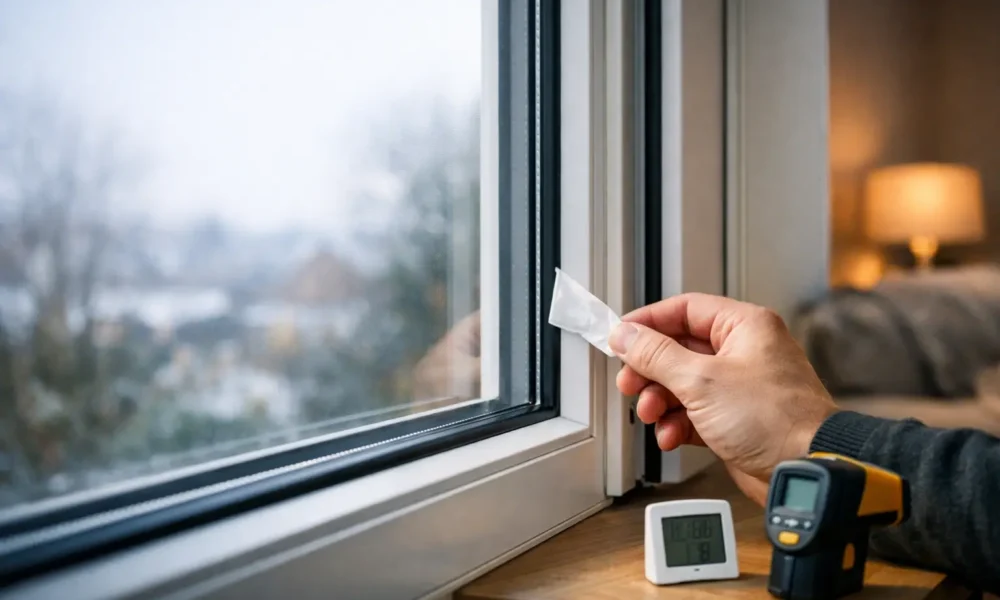
If the window is mostly sound, sealing often gives the quickest win.
Weatherstripping and brush seals cut air leakage around sashes and frames, and they’re cheap.
If rain is getting in, don’t guess, because water damage moves fast.
If the glass is single, you’ve got two routes.
Secondary glazing adds a second layer inside, which can suit older homes and protected façades.
Full replacement makes sense when frames are rotten, warped, or hard to lock.
The 6 specs that actually matter when buying windows
Specs stop bad surprises.
They also cut through sales chatter.
Here are the ones worth your time.
U-value and Window Energy Rating
U-value (Uw) is heat loss through the whole window, so lower is better.
WER is a broader label that also considers draughts and useful solar gain, and it’s run in the UK by the British Fenestration Rating Council.
For UK replacement windows, the guide benchmark is Uw 1.4 W/(m²·K) or WER Band B, as a minimum.
Low-E glass, gas fill, warm edge
Low-E glass reflects heat back indoors.
Many sealed units use argon gas (sometimes krypton) to slow heat loss.
Warm edge spacers help reduce cold edges and help with condensation on the perimeter.
Airtightness and draught seals
A window can have great glass and still leak air.
That’s usually poor seals, poor fitting, or a sash that doesn’t pull tight.
In a showroom, open and close it and feel for wobble.
Ventilation and trickle vents
This is the damp trap.
If you seal air leakage but let ventilation drop, moisture can build up and mould can follow.
UK guidance says replacement windows should keep background ventilators at least as large as before, or keep ventilation from getting worse.
Safety glazing
Some locations need safety glass.
Think doors, low-level panes, and bathrooms.
A good installer will flag this early, not at the last minute.
Solar gain and noise reduction
Solar gain (often shown as g-value) can help in winter, but too much can overheat a sunny room.
Noise reduction often needs acoustic glazing choices, not just extra panes.
If you live near traffic, ask for the acoustic spec.
Double, triple, or secondary glazing for UK homes
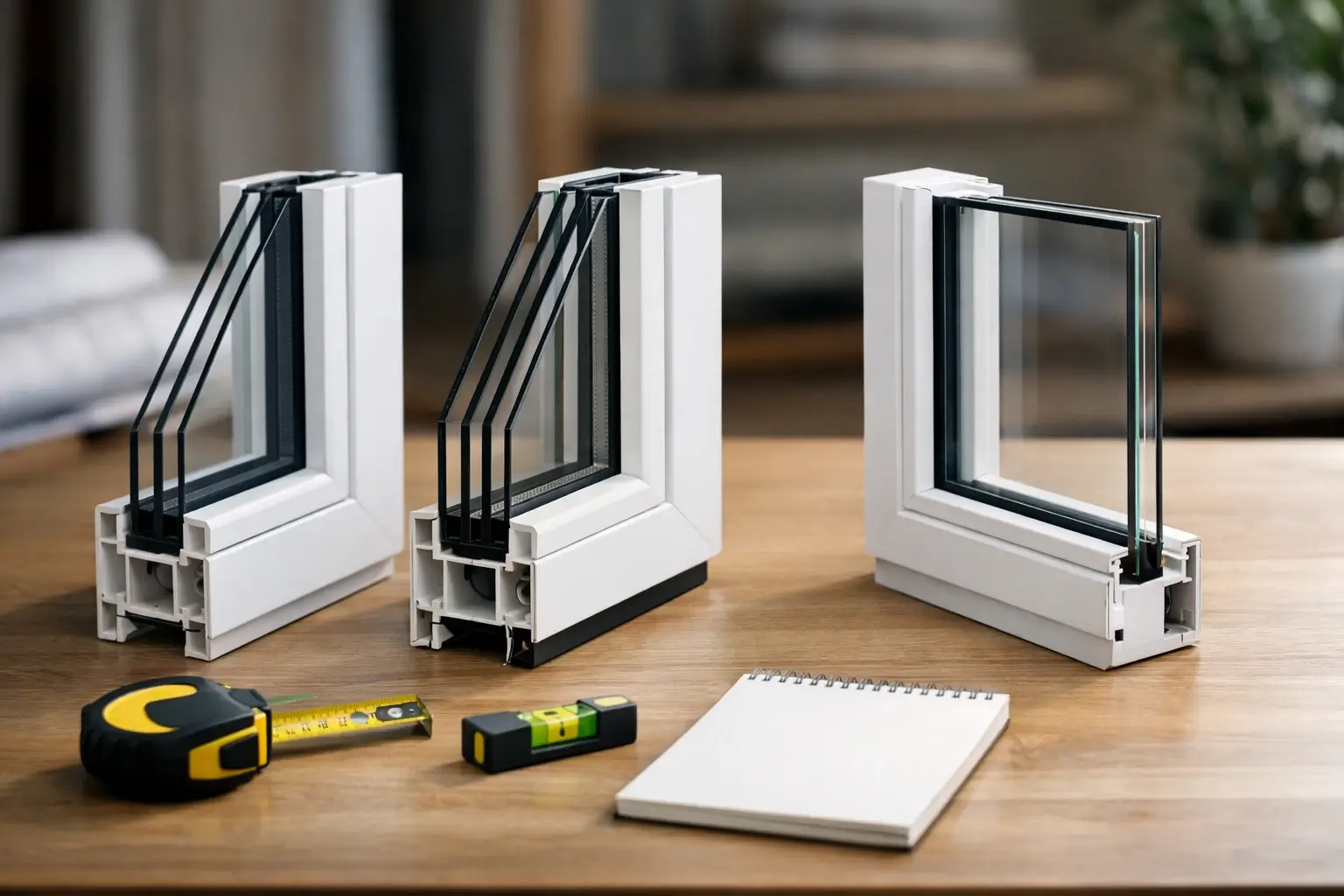
For most UK homes, good double glazing is the sensible baseline.
Triple glazing can suit exposed sites, colder rooms, and bedrooms where noise matters.
It adds weight and cost, so it’s best when you’ve got a clear reason.
Secondary glazing is often the “keep the character” choice.
It can cut draughts without changing the outside look.
That can matter in conservation areas.
Frames and opening styles
Frame material affects upkeep as much as performance.
uPVC is usually low maintenance.
Timber needs care, but it can last well when you stay on top of paint and repairs, and composite frames can split the difference.
Opening style is about daily use.
Casements are common and simple.
Sash and tilt-and-turn can be great, but check seals and hardware because that’s where air leakage starts.
Installation, building regs, and proof you did it right
Bad fitting can ruin good windows.
It shows up as draughts, stains, and sticking openers.
So we treat installation as part of home weatherproofing and storm-proofing, not an afterthought.
Replacement windows link to two key rule areas: heat loss and ventilation.
Part L sets energy performance targets, including the Uw 1.4 or WER Band B benchmark for replacements.
Part F covers ventilation, including background ventilators when windows are replaced.
You can comply through council building control, or through a competent person scheme installer who self-certifies.
Keep the certificate, because it often comes up when you sell.
Name checks, once only:
FENSA is one of the schemes that registers installers for replacement windows and doors.
TrustMark is a government-endorsed quality scheme used by some grant routes.
ROI in plain English: estimating payback
Payback isn’t one number.
It depends on your starting point, your fuel costs, and how you use the rooms.
Still, you can estimate it without spreadsheets.
Start with a trusted anchor.
Moving from single glazing to A-rated double glazing can save about £140 a year in Great Britain.
Use that as a guide, then adjust for your home.
Use this simple method:
- Estimate annual savings
- Divide total cost by annual savings
- Add the comfort factor
Also watch for failed sealed units.
Condensation between panes often means the unit has failed, and that can drag performance down.
2026 incentives and “tax credits”
This is where wording matters.
In the UK, support is usually schemes and grants, not personal tax credits.
In the US, federal credits have a date cut-off that trips people up.
UK: schemes and grants
ECO4 runs until late 2026.
ECO4 is delivered under the Energy Company Obligation, run in practice by Ofgem.
Some local grant routes can include double and triple glazing among eligible measures.
Some routes also link retrofit work to PAS 2035.
On VAT, HMRC sets the rules.
VAT relief in this area focuses on listed energy-saving materials such as draught stripping and insulation.
Window and glazing replacement isn’t usually treated the same way, so most window jobs stay standard-rated.
US: federal credit timing
The Energy Efficient Home Improvement Credit applies to qualifying items placed in service from 2023 through 31 December 2025, with a $600 annual limit for windows and skylights.
For 2026 installs, check state and utility rebates instead.
Whole-home weatherproofing checklist
Windows are one piece.
If the roof leaks, you’ll still get damp.
If gutters overflow, you’ll still stain walls.
Work from the top down.
Check the roof and flashing, then clear gutters and downpipes.
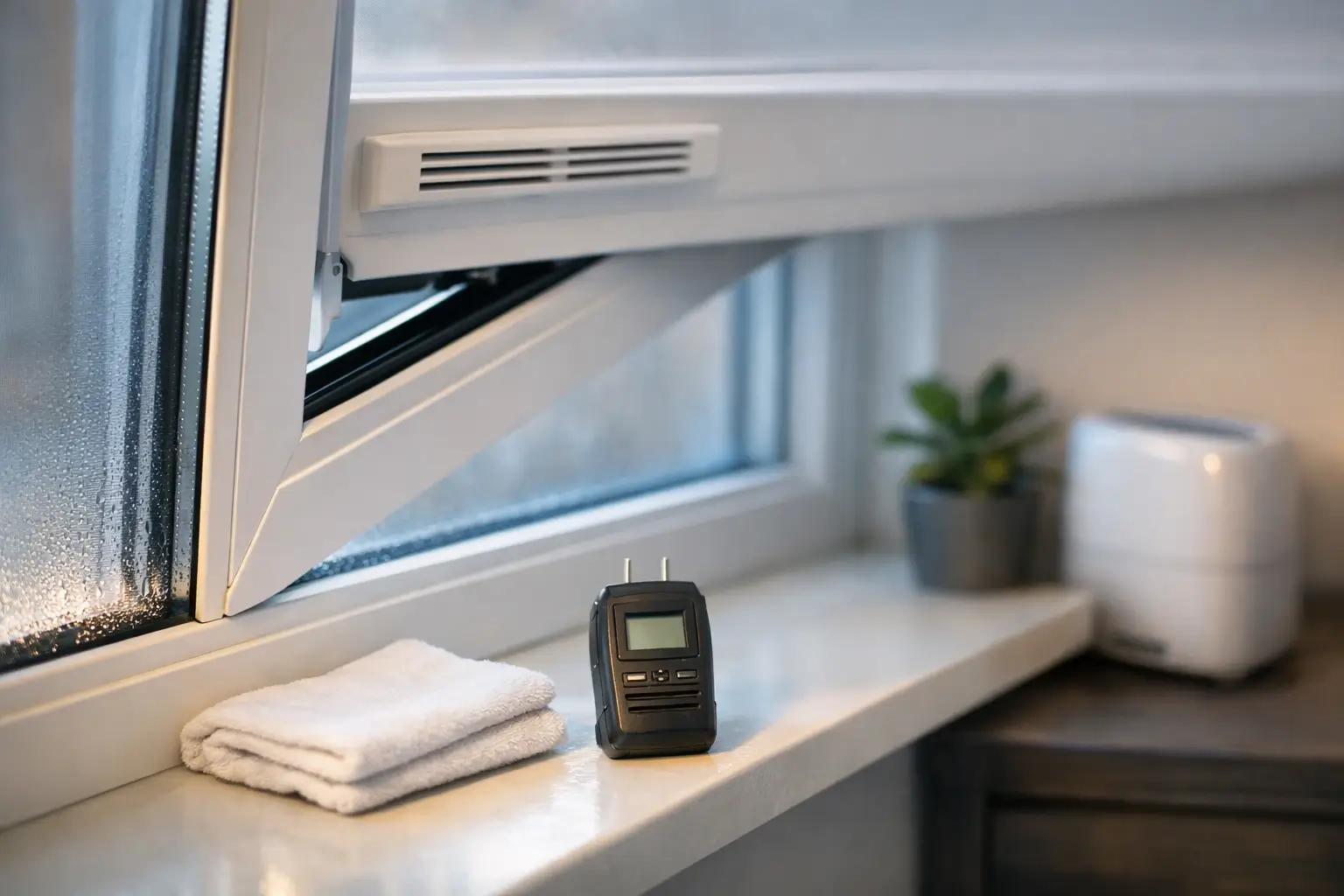
Then do doors and windows with weatherproofing strips, and keep ventilation working as you tighten the envelope.
Finish with external walls.
Look for cracks in render, failed pointing, and damp marks after rain.
Small fixes now often beat big mould problems later.
FAQs
How do I weatherproof my windows without replacing them?
Start by hunting the gaps. Fit adhesive foam or rubber weatherstrips on the sash or frame, add a brush strip to the bottom of doors, and seal small cracks with decorator’s caulk. Then check locks and hinges, because a loose sash can leak air even with new seals.
Are draught-proofing strips worth it?
Often, yes, if your issue is a draught rather than wet rot or failed glazing. Strips are cheap, fast to fit, and they cut air leakage around sashes, frames, and letterboxes. They won’t fix condensation between panes, and they won’t help much if the window is warped.
Double glazing vs triple glazing: which is better in the UK?
For many UK homes, good double glazing gives the best balance of cost, comfort, and fit. Triple glazing can make sense on exposed elevations, high-wind sites, or bedrooms where you want extra noise control. It adds weight and cost, so it’s not a default choice.
What U-value should new windows be in the UK?
For replacement windows in UK dwellings, the usual benchmark is either a whole-window U-value (Uw) of 1.4 W/(m²·K) or better, or a Window Energy Rating at Band B or better. Installers should show this on the quote and on the paperwork.
What is a Window Energy Rating (WER) and what band should I choose?
WER is a simple label that ranks how a window performs as a system, not just the glass. It weighs heat loss, air leakage, and useful solar gain, then gives a band, often from G up to A++. If you’re replacing windows, aim for Band B or above.
Will new windows stop condensation and mould?
New windows can reduce cold surfaces and draughts, so you often see less condensation on the glass. But they can also make the house more airtight. If you don’t keep ventilation working, moisture can build up and mould can still form on cold corners and bridges.
Do replacement windows need trickle vents?
If your old windows had trickle vents, the replacements should include them, and they shouldn’t be smaller. If your old windows had none, new windows may still need background ventilators to keep ventilation from getting worse, unless you’re adding a suitable mechanical system.
Do I need building regs approval to replace windows?
In most cases, yes, window replacement needs Building Regulations compliance. You can use your local council building control, or you can use an installer in a competent person scheme who can self-certify the work. Either way, keep the certificate, because it’s often asked for when you sell.
How much can I save with energy-efficient windows?
Savings depend on what you have now, your heating fuel, and how you use the rooms. As a rough anchor, moving from single glazing to A-rated double glazing can save about £140 a year in Great Britain. Use that as a starting point, not a promise.
Are there any UK grants for windows in 2026?
There can be support, but it’s targeted. ECO4 is aimed at low-income and vulnerable households and runs until late 2026, and local grant schemes can also fund fabric measures. Some guidance lists double or triple glazing as eligible in certain cases. Check eligibility before you book an installer.
Are energy-efficient windows zero-VAT in the UK?
Usually, no. VAT relief in this area focuses on listed energy-saving materials and their installation, such as insulation and draught stripping. Window and glazing replacement isn’t normally treated the same way, so most supply-and-fit window jobs stay standard-rated. If a grant is involved, ask the provider.
Are there US federal tax credits for windows in 2026?
For federal credits, don’t assume so. The federal credit guidance says the credit applies to qualifying items placed in service from 2023 through 31 December 2025, with a $600 annual limit for windows. For 2026 installs, check state and utility rebates instead.






[…] is also pushing harder on home upgrades in 2026. The Warm Homes Plan puts bill savings and home improvement at the centre of the […]
[…] wrote this for anyone who feels overwhelmed by home improvement choices. If you’re worried about safety, permits, or who to trust, you’re not […]
[…] can plan home improvements, from a new kitchen to a loft conversion, if rules […]
[…] can attract fewer buyers than standard homes. That can hit price and sale […]
[…] guide is for buyers who want a calm, realistic way to find and use assistance without surprises at closing or […]
[…] from contractor fraud and pressure tactics. HUD warns about deceptive contractor behavior in home improvement lending […]
[…] guide covers what each incentive type actually is, how the Inflation Reduction Act (IRA) changed the picture, and the specific IRS […]