




How to Finance an ADU in 2026: Loans, Home Equity, and Creative Funding Options
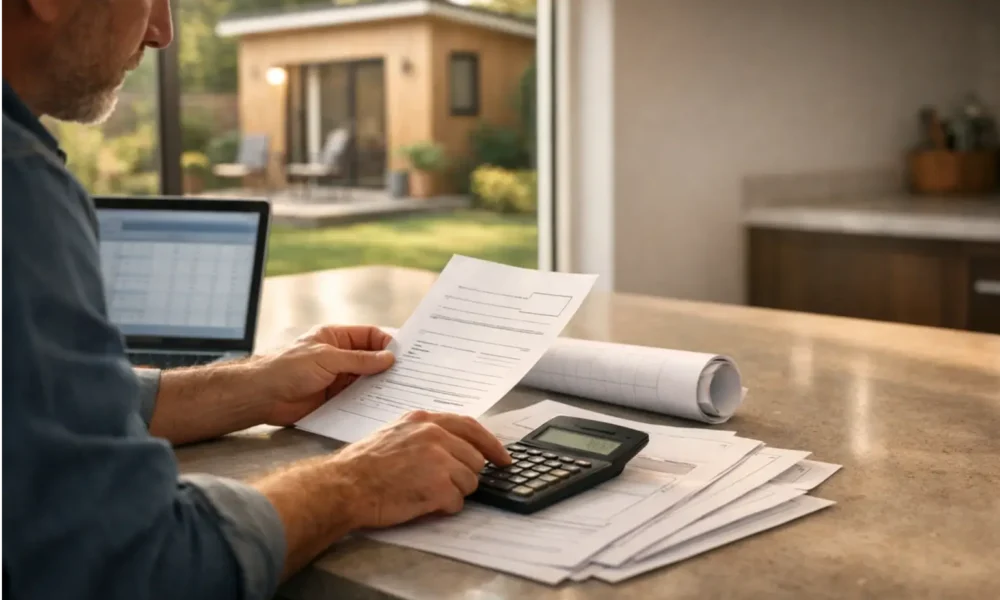
Introduction: What ADU Financing Really Is
An ADU is one of those projects that sounds simple on paper: a small second home in the backyard or a garage conversion. In real life, it is a full building project with real permits, real trades, and real costs.
Table Of Content
- Introduction: What ADU Financing Really Is
- Rules, Feasibility, and Budget Check
- Confirm Your Local ADU Rules and Zoning
- Check Ceiling Height, Floor Area, and Headroom
- Plan for Natural Light, Ventilation, and Exits
- Look for Moisture, Flooding, and Foundation Issues
- Build a Realistic Budget With a Buffer
- Design the Layout and Separate Entry
- Decide on Studio vs One Bedroom Layout
- Plan Kitchen, Bathroom, and Laundry Space
- Create a Safe, Private Entrance and Path of Travel
- Add Storage and Sound Control From the Start
- Meet Safety and Building Code Requirements
- Egress Windows and Emergency Escape Options
- Fire Separation, Alarms, and Carbon Monoxide Safety
- Heating, Ventilation, and Indoor Air Quality Basics
- Insulation and Energy Code Upgrades
- Add Plumbing, Electrical, HVAC, and Finishes
- Plumbing Lines, Drains, and Backflow Protection
- Electrical Panel Capacity and New Circuits
- Heating and Cooling That Works Below Grade
- Waterproofing, Radon Protection, and Humidity Control
- Durable Floors, Walls, and Ceilings for Rental Use
- Permits, Plans, and Inspections
- What Drawings and Documents You May Need
- Building Permits Plus Trade Permits
- Key Inspections During the Project
- Final Approval and Making It Legal to Rent
- The Financing Options That Fit ADUs in 2026
- Home Equity Loan (Fixed Second Mortgage)
- HELOC (Flexible Line of Credit)
- Renovation Mortgages (HomeStyle and CHOICERenovation)
- Construction Loans
- FHA 203(k) for Certain Renovation Projects
- Grants and Local Programs (When Available)
- Common Mistakes to Avoid
- Starting Work Before Permits Are Approved
- Designing the Bedroom Without Proper Egress
- Underestimating Waterproofing and Drainage Needs
- Skipping Fire Separation Between Units
- Forgetting Soundproofing and Privacy Details
- Safety Tips (Yes, Even for Financing)
- Beginner Alternatives and Lower-Risk Options
- Final Thoughts
- FAQs
- Do I Need a Separate Entrance for a Legal Basement ADU?
- Can My Basement Count as a Legal Bedroom?
- How Long Does a Typical Basement ADU Conversion Take?
Financing can either keep the job moving smoothly or turn it into a stop-and-start headache. The goal is not to find the perfect loan. It is to match the funding to the kind of ADU you are building, your timeline, and how predictable your costs will be.
This guide is for homeowners planning an ADU in 2026 who want a clear, practical way to pay for it, without guessing.
Rules, Feasibility, and Budget Check
Confirm Your Local ADU Rules and Zoning
Before you talk loans, confirm your ADU is actually allowed on your lot. Lenders and appraisers care about legal use, and many financing paths go smoother when your project is fully permitted.
At a minimum, check:
- Whether detached, attached, or interior ADUs are allowed
- Max size and height
- Parking rules (if any)
- Utility connection requirements
- Owner-occupancy rules (some places still have them)
If your local office has an ADU handout, save it. You will likely reference it again.
Check Ceiling Height, Floor Area, and Headroom
Even if you are not building a basement ADU, the point here is simple: measure what you truly have to work with.
A simple conversion can get expensive fast if the space is tight and you need structural changes like lowering a slab, adding beams, or resizing openings. Those changes often force bigger engineering plans, which affects both budget and financing.
Plan for Natural Light, Ventilation, and Exits
Light and safety features are not optional. They are usually part of the permit path and they influence cost.
If your ADU needs new windows, new exterior doors, or upgraded ventilation, put that into your early numbers. These are not the fun parts of the build, but they are the parts that keep you from failing inspection later.
Look for Moisture, Flooding, and Foundation Issues
Moisture problems are one of the biggest reasons ADU budgets blow up.
If you are converting a basement or an older garage, take moisture seriously:
- Visible water stains
- Musty smells
- Cracks that look active
- Poor drainage outside
If you find problems, you may need drainage work, waterproofing, or repairs before you build anything pretty. That can change which loan type makes sense.
Build a Realistic Budget With a Buffer
For ADUs, costs usually come in two buckets:
Soft costs (before you build): design, surveys, engineering, permits, and sometimes utility planning.
Hard costs (the build): foundations, framing, plumbing, electrical, HVAC, insulation, drywall, finishes.
You should also plan a buffer. A 10% to 20% cushion is common for renovation-style work because there are unknowns behind walls and under slabs.
This is also where you choose the right financing lane:
Home equity loan (fixed lump sum): good when you know your total cost fairly well. HELOC (draw funds as needed): useful when costs roll in phases, but rates are often variable so payments can move. Renovation mortgage: rolls construction costs into a first mortgage, which can be lower-rate than unsecured borrowing. Fannie Mae HomeStyle can include adding an ADU. Construction loan: designed for building phases and lender draws based on progress. Creative options: grants, family financing, phased builds, or short-term funding followed by refinance.
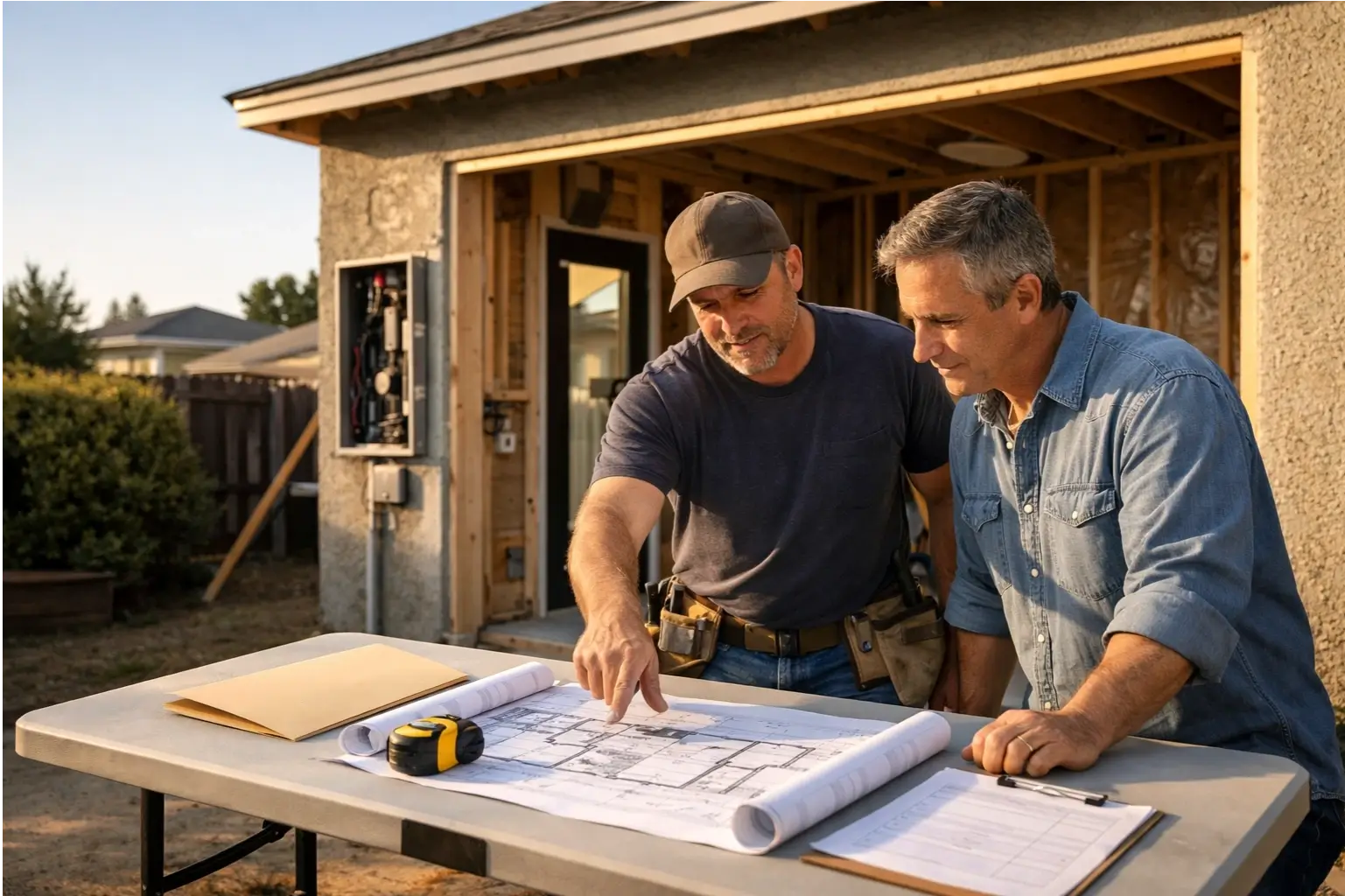
Design the Layout and Separate Entry
Decide on Studio vs One Bedroom Layout
Your layout choice has a direct impact on cost, and cost drives financing.
A studio often has:
- Fewer walls
- Simpler plumbing runs
- Less electrical complexity
A one-bedroom can rent better in many areas, but costs more to build.
If you are using a HELOC or construction loan, simple usually means fewer surprises during the draw schedule.
Plan Kitchen, Bathroom, and Laundry Space
Kitchens and bathrooms are the budget heavyweights. They also trigger permits, inspections, and specialty trades.
If you are trying to keep financing smaller and safer:
- Keep plumbing close to existing lines
- Avoid moving main drains if you can
- Choose durable, mid-range finishes
You can always add upgrades later. It is harder to fix an overbuilt budget after you have signed loan papers.
Create a Safe, Private Entrance and Path of Travel
A separate entrance often increases privacy and rental appeal, but it can add cost through exterior stairs, grading, lighting, and hardscape.
From a financing view, treat site work like a wild card. It is one of the most common areas for surprise costs, especially in older yards with unknown drainage.
Add Storage and Sound Control From the Start
Sound control is cheap when walls are open and annoying when they are closed.
Even basic steps like better insulation, sealing gaps, and solid-core doors can reduce complaints later. This is especially true for garage conversions attached to the main house.
Meet Safety and Building Code Requirements
Egress Windows and Emergency Escape Options
Safety features are not a place to cut corners. If your ADU includes sleeping space, you may need compliant emergency exit options depending on the design.
If your budget is tight, plan these first. Do not use finish money for safety work.
Fire Separation, Alarms, and Carbon Monoxide Safety
Fire separation and alarms are typical requirements when you add a second unit or convert a space. If you are financing through a lender that requires permits and inspections, these items will be checked.
Heating, Ventilation, and Indoor Air Quality Basics
HVAC is a quiet cost creep. Mini-splits are common for ADUs, but your climate and layout decide what works.
If your lender is releasing money in stages, HVAC often sits in the middle of the schedule, right when your budget may feel stretched.
Insulation and Energy Code Upgrades
Many areas require energy upgrades when you create a new living space. That can mean insulation, air sealing, and efficient windows.
Your financing plan should match your inspection plan. If energy code upgrades are required, build them into the loan amount, not later money.
Add Plumbing, Electrical, HVAC, and Finishes
Plumbing Lines, Drains, and Backflow Protection
Plumbing is usually the first big trade cost. If you are doing a conversion, plumbers often find issues you did not expect, like old vents or undersized drains.
This is where a HELOC can help because you can draw money as invoices arrive. Just be aware that HELOC payments can change over time if the rate moves.
Electrical Panel Capacity and New Circuits
Panel upgrades can be a big hit, and you often will not know for sure until an electrician checks load and panel condition.
If your ADU needs:
- A subpanel
- A full panel upgrade
- A new meter
That can push you toward a larger loan type or a renovation mortgage that rolls the work into one package.
Heating and Cooling That Works Below Grade
Below-grade spaces need steady humidity control and reliable heat. A cheap system that cannot keep up becomes a comfort problem and a maintenance problem.
Waterproofing, Radon Protection, and Humidity Control
In some areas, radon protection is strongly recommended and sometimes required for finished spaces. Waterproofing and humidity control can also be the difference between a nice new ADU and a mold cleanup.
These jobs are not exciting, but they protect your investment.
Durable Floors, Walls, and Ceilings for Rental Use
If you plan to rent the ADU, durability matters more than trends. Choose finishes that handle wear and clean easily. You are protecting your cash flow, not building a showroom.
Permits, Plans, and Inspections
What Drawings and Documents You May Need
Most lenders will want a clean set of basics:
- Contractor bids or a detailed cost breakdown
- Drawings or plans
- Permit status
- Timeline
Construction loans and renovation mortgages often require tighter paperwork since money is released in steps.
Building Permits Plus Trade Permits
Permits cost money, and they also reduce financial risk. A permitted project is easier to insure, easier to refinance, and easier to sell later.
Key Inspections During the Project
Inspections create natural pause points. That matters for financing because many lender draw schedules are tied to progress.
If your contractor is used to working with lender draws, that helps. If they are not, ask how they handle payment timing.
Final Approval and Making It Legal to Rent
If rental income is part of your plan, keep it legal. Some mortgage programs only allow rental income from an existing ADU to help with loan qualification, and the rules can be strict.
The Financing Options That Fit ADUs in 2026
Here is how the most common financing paths usually work in plain language.
Home Equity Loan (Fixed Second Mortgage)
This is a lump sum with a set repayment schedule. It is often easier to budget because the payment is predictable.
It tends to fit best when:
- Your bids are solid
- Your project is straightforward
- You want fixed payments
HELOC (Flexible Line of Credit)
A HELOC works more like a credit card secured by your home. You draw what you need during the draw period, then repay later.
The big trade-off is rate risk. Many HELOCs use variable rates, so your monthly cost can change.
Renovation Mortgages (HomeStyle and CHOICERenovation)
These can roll renovation or conversion costs into a mortgage product. Fannie Mae’s HomeStyle Renovation allows renovations that can include adding an ADU or in-law suite.
Freddie Mac’s CHOICERenovation is also positioned for renovation work that can include ADUs.
These are paperwork-heavy, but they can be useful when you want one loan instead of stacking second mortgages.
Construction Loans
Construction loans typically fund the build in stages, and you often pay interest on what has been drawn so far during construction.
They fit best for:
- New detached builds
- Major rebuilds
- Projects with a clear timeline and contractor plan
FHA 203(k) for Certain Renovation Projects
HUD’s 203(k) program is designed for purchase or refinance plus rehabilitation, with funds held and released through an escrow during the work.
The Limited 203(k) version can finance up to $75,000 for eligible repairs and improvements.
Whether it fits an ADU depends on your property, scope, and lender participation.
Grants and Local Programs (When Available)
Some places offer real ADU support money, but it is local and it changes.
A well-known example is California’s CalHFA ADU Grant Program, which reimburses eligible pre-development costs and has offered up to $40,000.
If you are not in California, still check your state, city, and utility programs. Even small rebates can cover surveys, plans, or energy upgrades.
Common Mistakes to Avoid
Starting Work Before Permits Are Approved
This is the fastest way to get stuck mid-project. It can also cause lender problems if your financing requires proof of permits and inspections.
Designing the Bedroom Without Proper Egress
If you build a bedroom that cannot legally be called one, that affects rental value and resale, and it can trigger expensive rework.
Underestimating Waterproofing and Drainage Needs
Water fixes are not optional, and they are rarely cheap. Plan for them early.
Skipping Fire Separation Between Units
When you are trying to save money, it is tempting to handle the safety parts later. That almost always costs more later.
Forgetting Soundproofing and Privacy Details
Noise complaints can kill a rental faster than ugly cabinets. Handle sound control while the walls are open.
Safety Tips (Yes, Even for Financing)
Financial safety matters because ADU debt is usually secured by your home.
Treat variable-rate debt with respect. A HELOC payment can change if rates move.
Do not assume rent will cover everything. Some loan programs limit how rental income can count for qualifying.
Be cautious with short-term loans. If your plan depends on refinancing later, make sure the project can pass final inspections first. Freddie Mac notes that CHOICERenovation can be used in some cases to pay off short-term financing after ADU work is completed.
Always verify contractor licensing and insurance, and keep a written scope of work.
Beginner Alternatives and Lower-Risk Options
If a full ADU feels like too much financially right now, there are safer stepping stones:
- Start with a smaller conversion (garage or part of a basement) instead of a full detached build.
- Phase the project: do the shell and core systems first, then finishes later when cash flow is stable.
- Use a mix: pay soft costs with savings, then use a loan for the build phase.
- Family funding with paperwork: if family helps, treat it like a real loan with clear terms. It reduces stress later.
Final Thoughts
Financing an ADU in 2026 is mostly about matching the money to the build. Fixed loans suit predictable projects. Flexible options help when costs arrive in waves. The safest plan is the one that still works if the project takes longer, costs more, or rents later than you hope.
Final tip: build your budget first, then choose the loan. Doing it the other way around is how homeowners get stuck mid-project.
FAQs
Do I Need a Separate Entrance for a Legal Basement ADU?
Often yes, but it depends on your local rules. Even when it is not strictly required, a separate entrance usually helps with privacy and rental use.
Can My Basement Count as a Legal Bedroom?
Only if it meets local code rules for things like emergency escape options, ventilation, and minimum ceiling height. Do not guess here. Check your local requirements early.
How Long Does a Typical Basement ADU Conversion Take?
A clean conversion can take a few months, but delays are common due to permitting, inspections, and contractor scheduling. If you are financing with staged draws, plan for extra time so you do not feel rushed.





[…] Facilities Grants may help with major adaptations, and some small changes can be covered locally. Home Improvement Agencies can also support with funding steps and contractor […]
[…] panic. Many buyers aim for at least a few months of core bills after closing, plus a starter repair fund for the home. The exact number depends on job stability and the home’s age, but “zero left” is a risky […]
[…] equity (HELOC or home equity loan) Often the most flexible option if you have strong equity and stable […]
[…] Many buyers use smaller down payments through FHA loans or low-down-payment conventional options, but you may pay mortgage insurance until you build more […]