




Budget Travel Hacks 2026: How to Travel for Under $50/Day
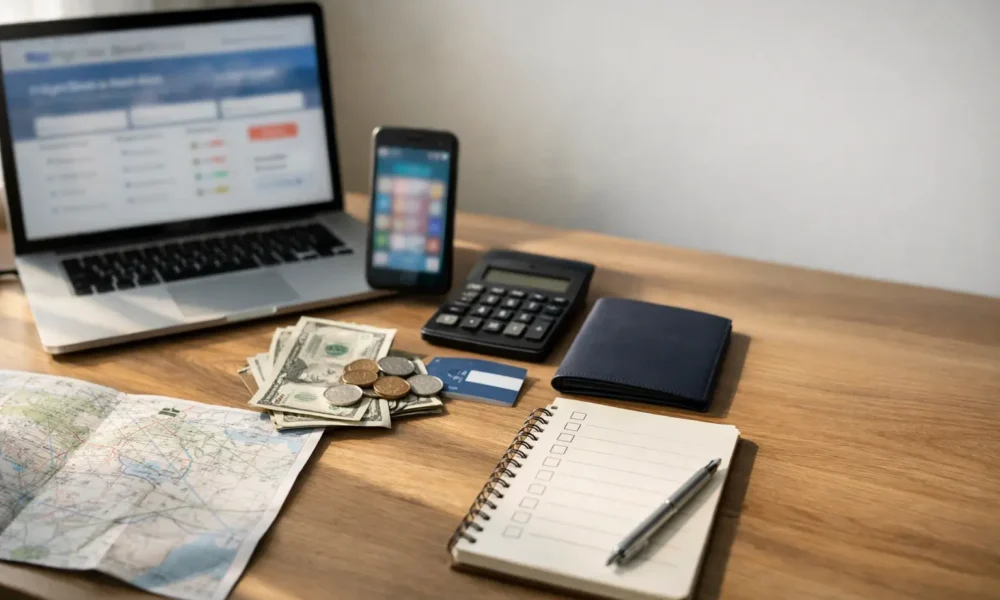
Money stress kills trips fast. You’ve got a tab for flights, a tab for beds, and a tab called “maybe we just stay home.” I get it.
Table Of Content
- The $50/Day Rulebook
- The $50/day budget split (with quick math)
- 5 non-negotiables (where being cheap backfires)
- Flights in 2026: Win Before You Go
- The “alerts first” workflow
- Flexibility stack (dates, days, seasons)
- Stopovers, two-for-one routing, and “mistake fares”
- Accommodation: Sleep Well Without Killing the Budget
- Book direct vs OTAs (and how to ask for a better rate)
- Kitchens are a cheat code
- Loyalty points without becoming a points nerd
- Transport: Move Smart, Not Expensive
- Public transport first
- Trains and passes (local passes > big passes, sometimes)
- Food: Eat Well for Less (Without Living on Snacks)
- “Local lunch, light dinner” strategy
- Street food, meal deals, and cooking 2x/week
- Discounted food apps
- Activities: Free-First Adventures
- Free walking tours + parks + viewpoints
- Find local events and “free days”
- The 2026 Tool Stack (AI, eSIM, payments, budgeting)
- AI planning without overspending
- eSIM vs local SIM (pick the cheaper)
- Cards, FX fees, ATMs, and hidden costs
- Track spend daily
- Real-World $50/Day Scenarios (Make It Believable)
- $50/day works best when…
- Your offset playbook
- Common Mistakes That Blow the Budget (and quick fixes)
- FAQs
- Can you really travel for under $50 a day in 2026?
- What’s the best daily budget breakdown for $50/day travel?
- How far in advance should I book flights for the best price?
- Are shoulder-season trips still cheaper in 2026?
- How do I find cheap flights without getting hit by fees?
- Is it cheaper to book hotels direct or through booking sites?
- What type of accommodation keeps costs low but feels safe?
- eSIM or local SIM: which is cheaper for travel in 2026?
- How do I avoid ATM and foreign transaction fees while traveling?
- What are the best free things to do in a new city?
- How do I eat cheaply without getting sick or bored of food?
- Are group tours ever cheaper than DIY travel?
- What budget travel apps are actually worth it in 2026?
This guide is budget travel hacks 2026 with a simple target: $50 a day travel. That means under $50 per day, with a daily budget breakdown you can actually run. I’ll show you a cost breakdown, a budget breakdown, and a repeatable travel budget plan that helps you save money traveling and reduce travel costs without falling into tourist traps.
The $50/Day Rulebook
The $50/day budget split (with quick math)
Your first job is math. Your second job is sticking to it. If you want affordable travel and real cheap travel tips, you need a daily cap that doesn’t wobble when you’re tired and hungry.
Table 1: $50/day split + offset rules
| Category | Daily cap | What “good” looks like | Offset rule if you overspend |
|---|---|---|---|
| Accommodation | $22 | hostel dorm beds, budget hotels, guesthouses, homestays, or serviced apartments | If your bed is +$10, cut two paid activities this week |
| Food | $12 | groceries + one local meal | If you eat out twice today, cook in a kitchen tomorrow |
| Local transport | $7 | public transport (metro, buses), walking clusters | If you use ride-share, skip the next paid transfer |
| Activities | $6 | free things to do + one small paid ticket | If you pay for a big tour, go free-first for 48 hours |
| Misc + fees | $3 | water, laundry, small extras | If fees hit, freeze souvenirs for 2 days |
| Buffer (separate) | $5 | emergency fund in your wallet or app | If buffer gets used, rebuild it before “fun” spend |
That buffer matters. A strict $50 works better when you’ve got a tiny safety net. It’s also how you avoid panic spending when plans change.
5 non-negotiables (where being cheap backfires)
Cheap can turn costly. I’ve seen budgets explode after one “too cheap” choice. Keep these five clean, even on a tight plan:
- Safe neighborhoods over “cheapest on the map.” Read reviews and trust patterns, not photos.
- Legit transport at night. No mystery taxis, no weird deals.
- Essential connectivity for maps and messages (more on eSIM vs local SIM later).
- Secure payments and fee control (ATM traps are real).
- Basic insurance if your trip has real risk (scooters, hikes, long buses). Keep it simple.

Flights in 2026: Win Before You Go
The “alerts first” workflow
Flight savings happen at home. I start with price alerts, fare alerts, and flight discount alerts before I pick a date.
Use Google Flights and Skyscanner to track flight deals, cheap flights, and airfare deals. Skyscanner’s “Explore Everywhere” is useful when your destination is flexible and you want the cheapest map first.
A simple workflow I actually use:
- Pick your home airport plus one alternative airport or nearby airport.
- Set a price ceiling you’d be happy to pay.
- Watch for 10–14 days, then book when it hits your number.
A lot of experts still recommend booking at least a month ahead, and some cite savings when you’re not leaving it to the last minute.
Flexibility stack (dates, days, seasons)
Flexibility beats luck. If you can shift by even two days, you’re suddenly shopping a bigger rack.
Try:
- Mid-week travel over weekend peaks.
- Shoulder season and off-season where weather is still fine but prices drop.
- A flexible destination list (three options, not thirty).
One more 2026 reality: dynamic pricing can jump around fast when events hit. World Cup travel in North America (June 11 to July 19, 2026) is a clean example of dates that can push prices up.
Stopovers, two-for-one routing, and “mistake fares”
Stopovers can cut costs and add a bonus city. Look for stopover programs and stopover deals on airline sites, not just third-party pages.
On error fares or mistake fares: treat them like a flash sale, not a promise. Don’t book non-refundable add-ons until the ticket is confirmed and stable.
Also watch budget airlines + baggage fees. A “cheap” flight can turn expensive the second you add a bag.
Accommodation: Sleep Well Without Killing the Budget
Book direct vs OTAs (and how to ask for a better rate)
Online Travel Agencies add fees and rules. I often shortlist on an OTA, then check the property’s own site.
When you book direct, you can ask one simple question: “Can you match the best price and include breakfast or free cancellation?” Member-only deals can show up too.
Kitchens are a cheat code
Food is where budgets quietly leak. That’s why I rate stays with kitchens so highly.
Look for serviced apartments, guesthouses, and budget places with a shared kitchen. Homestays can work well too when reviews are solid and the area feels safe.
Loyalty points without becoming a points nerd
Keep it light. Join free hotel loyalty programs and take the easy wins.
If you’ll stay with the same group twice this year, points can turn into free nights later.
Transport: Move Smart, Not Expensive
Public transport first
I cap local transport at $7 a day for $50/day trips. That usually means public transport, a metro pass, buses, and walking in “one area per day” clusters.
Save ride-share for:
- Late nights
- Heavy luggage
- Places where transit feels unsafe
Trains and passes (local passes > big passes, sometimes)
Trains can be a deal or a drain. Compare rail passes with local rail passes city by city.
I also compare trains vs buses vs ride-share for the same route. Buses often win on price, trains can win on time, and ride-share is the “only if needed” option.
Self-drive rentals can work in rural areas, but parking and fuel can chew your $50 fast. Keep them for short bursts, not whole trips.
Food: Eat Well for Less (Without Living on Snacks)
“Local lunch, light dinner” strategy
Dinner is where tourist pricing lives. Lunch is where value hides.
Here’s a simple $12/day food plan I’ve used in pricey cities:
- $4 groceries (fruit, yoghurt, bread)
- $6 local lunch at a non-tourist spot
- $2 dinner top-up (soup, salad, snack)
Groceries and supermarket meals keep the budget steady, so you’re not forced into the nearest overpriced place at 9pm.
Street food, meal deals, and cooking 2x/week
Street food can be great when the stall is busy and the food is hot and fresh. I skip empty stalls with food sitting out.
Use meal deals, lunch deals, and early-bird offers where locals actually eat. If your stay has a kitchen, cook two nights a week and you’ll feel the difference.
Discounted food apps
In some cities, Too Good To Go can cut meal cost by selling surplus “surprise bags.” It’s not perfect for picky plans, but it can be a strong budget helper.
Activities: Free-First Adventures
Free walking tours + parks + viewpoints
I start every new place with a “free-first” sweep. Free walking tours are usually tip-based, so set a tip in your budget and treat it like a ticket.
Then stack:
- parks
- beaches
- hiking trails
- viewpoints
That’s often your best “what a place is really like” time, without paying for it.
Find local events and “free days”
Check city calendars and museum free days. For quick scanning, Eventbrite and Groupon can surface cheap events in some regions.
The 2026 Tool Stack (AI, eSIM, payments, budgeting)
AI planning without overspending
AI tools can help you compare options fast. The trap is clicking “add” on every suggestion.
Use AI to tighten choices:
- 2 areas per city
- 1 must-do per day
- 1 backup plan for rain
Some travel brands are also pushing “try before you fly” habits via vlogs and VR previews, which can stop regret spending on the wrong base area.
eSIM vs local SIM (pick the cheaper)
An eSIM is easy. A local SIM can be cheaper in-country.
My rule: if you’re moving a lot, eSIM wins on time and hassle. If you’re staying 10+ days in one place, local SIM often wins on price. Watch roaming fees either way.
Cards, FX fees, ATMs, and hidden costs
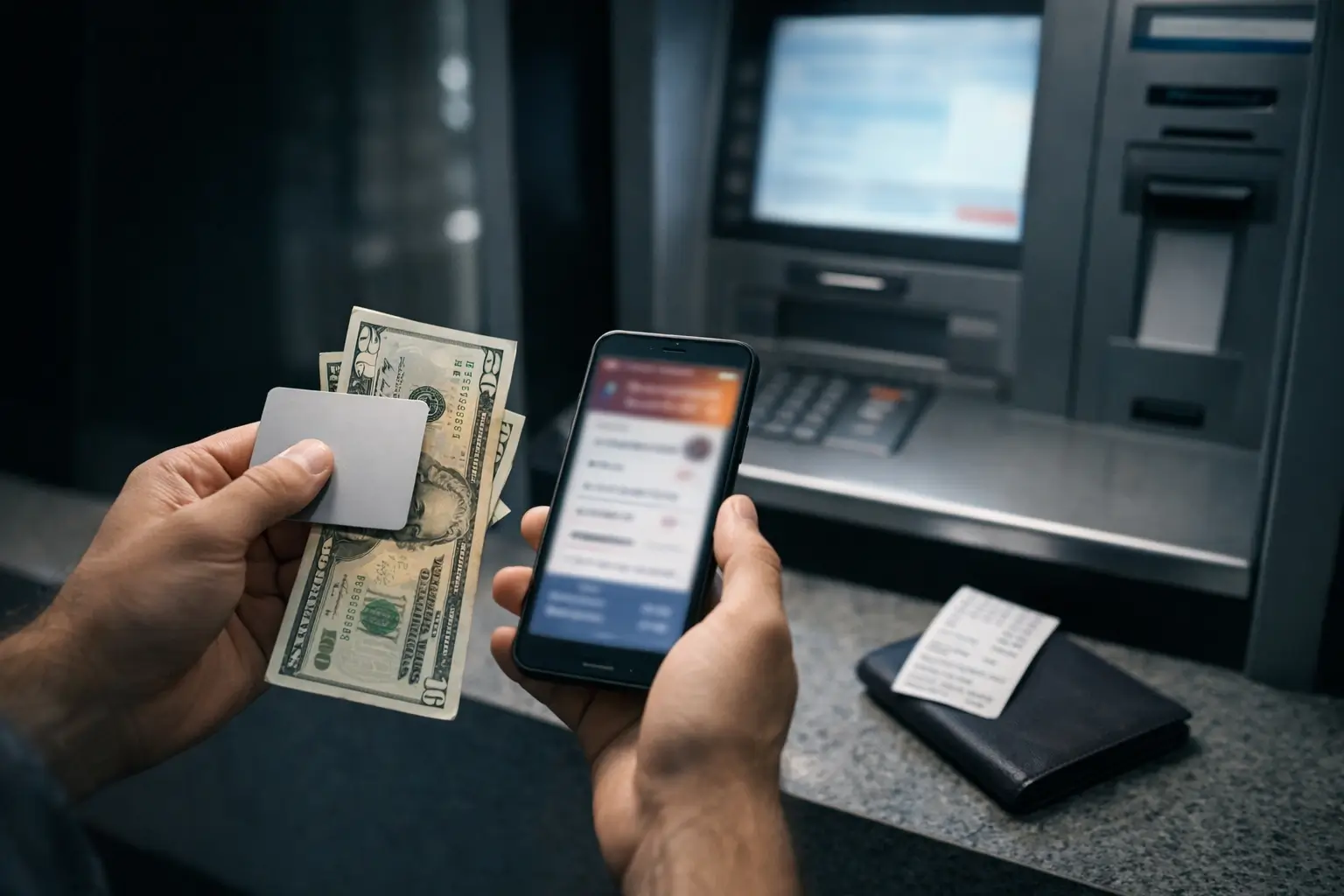
This is where budgets die quietly. Foreign transaction fees are often around 3% on some cards, and ATM withdrawals can pile on extra charges.
Watch for whitelabel ATMs and the “helpful” screen that offers to charge you in your home currency. That’s often dynamic currency conversion (DCC), and it can cost more than you think. Always choose local currency if you can.
Tools that help:
- Wise for multi-currency spending and clearer fee control (check pricing by currency).
- Maps.me for offline maps in patchy signal zones.
- Google Translate for menus and basics, used with respect.
Track spend daily
Budget wins come from boring tracking. I log spend once a day, same time, no drama.
A simple note works, or use budgeting apps, expense tracking, and “daily tracking” in a spreadsheet.
Table 2: Fees to watch (and quick fixes)
| Fee trap | What it looks like | Quick fix |
|---|---|---|
| Baggage fees | “Low fare” becomes “not low” | Carry-on packing plan, weigh bags early |
| FX markups | You pay more than expected | Use a card with low FX fees, avoid DCC |
| ATM operator fees | Extra charge per withdrawal | Fewer, larger withdrawals; use bank ATMs |
| Booking add-ons | Seats, insurance, “priority” | Add only what you’ll truly use |
| Tourist pricing zones | Same food, double price | Walk 10 minutes from main sights |
Real-World $50/Day Scenarios (Make It Believable)
$50/day works best when…
It works when you slow down. Fewer moves mean fewer fees, fewer “oops” taxis, and fewer panic meals. It also works best in places where local costs match your target, not in peak weeks of hot-ticket cities.
Your offset playbook
If you blow the budget, don’t quit. Offset like an adult.
I use one rule: fix it within 48 hours. Cut one paid activity, cook once, and use public transport only until you’re back on track.
Common Mistakes That Blow the Budget (and quick fixes)
Hidden fees add up. So do last-minute changes. So do “just this once” splurges.
Quick fixes I lean on:
- Set baggage rules before you book flights.
- Keep one “tourist zone” meal per city, max.
- Read reviews for safety and noise, not just décor.
- Don’t accept DCC screens at ATMs or card machines.
- Keep a small emergency fund so one problem doesn’t wreck the week.
FAQs
Can you really travel for under $50 a day in 2026?
Yes, but it depends on your base, pace, and season. If you stay longer in one place, use public transport, and pick kitchens or hostels, $50/day can work. If you move daily or hit peak weeks, you’ll go over and need offset days.
What’s the best daily budget breakdown for $50/day travel?
Start with a split that protects your basics: about $22 for accommodation, $12 for food, $7 for transport, $6 for activities, and $3 for small extras. Keep a separate $5 buffer so one hiccup doesn’t force bad choices or unsafe shortcuts.
How far in advance should I book flights for the best price?
I start watching early, but I try not to leave booking too late. Many experts suggest booking at least a month ahead can help, especially when prices jump closer to departure. Your best move is alerts plus flexible days, then booking when it hits your number.
Are shoulder-season trips still cheaper in 2026?
Often, yes. Shoulder season sits between peak season and off-season, so prices can drop while places are still open and pleasant. It also tends to mean fewer crowds, which helps your budget because you’re not forced into expensive last-minute options.
How do I find cheap flights without getting hit by fees?
Use comparison tools, then read the fee list before you pay. Budget airlines can look cheap until you add bags, seats, and card charges. I search on Google Flights and Skyscanner, set alerts, then check the airline site so I see the full cost clearly.
Is it cheaper to book hotels direct or through booking sites?
It can be cheaper to book direct, especially when third-party fees or strict rules stack up. I use booking sites to compare, then I check the property’s own site and ask for a match or a perk like breakfast. Member-only rates can help too.
What type of accommodation keeps costs low but feels safe?
Look for places with strong review patterns, clear check-in info, and a safe neighborhood, even if the room is basic. Hostels, guesthouses, and homestays can work well when they’re well-run. I’d rather pay a little more than gamble on sketchy areas.
eSIM or local SIM: which is cheaper for travel in 2026?
It depends on your trip length and how often you move. eSIMs save time and can be good for short trips or multi-country routes. Local SIMs can be cheaper if you’re staying put for longer. Either way, check roaming fees before you land.
How do I avoid ATM and foreign transaction fees while traveling?
Use a card with low foreign transaction fees, withdraw cash less often, and avoid “charge me in my home currency” screens. Those screens can add extra markup through DCC. I also stick to bank ATMs where possible and check fees before confirming a withdrawal.
What are the best free things to do in a new city?
Start with a free walking tour, then stack parks, markets, viewpoints, and beaches. These give you real local texture without paying for it. I also check museum free days and city calendars, then save paid tickets for one or two true priorities.
How do I eat cheaply without getting sick or bored of food?
Use a simple rhythm: bigger lunch, lighter dinner, and groceries for breakfast. Pick busy, hot-food street stalls and skip empty ones with food sitting out. If you’ve got a kitchen, cook twice a week. It keeps costs down and gives your stomach a break.
Are group tours ever cheaper than DIY travel?
Sometimes, yes. Group tours can bundle transport and tickets in a way that beats last-minute DIY prices, especially in high-demand places. I treat them like any purchase: I compare the total cost, check what’s included, and ask if I can do the same day for less on my own.
What budget travel apps are actually worth it in 2026?
I keep a small stack: one flight tool for alerts, one maps tool for offline use, one translation tool, and one tracker for spend. Too many apps create noise and push impulse buys. Start with Google Flights or Skyscanner, Maps.me, Google Translate, and a simple expense tracker.
If you want, I can also format a one-page “$50/day tracker” you can paste into Google Sheets, plus a short booking timeline you can reuse for every trip.







No Comment! Be the first one.