




Walk-In Showers vs. Bathtubs: What’s Best for Aging Homeowners in 2026?
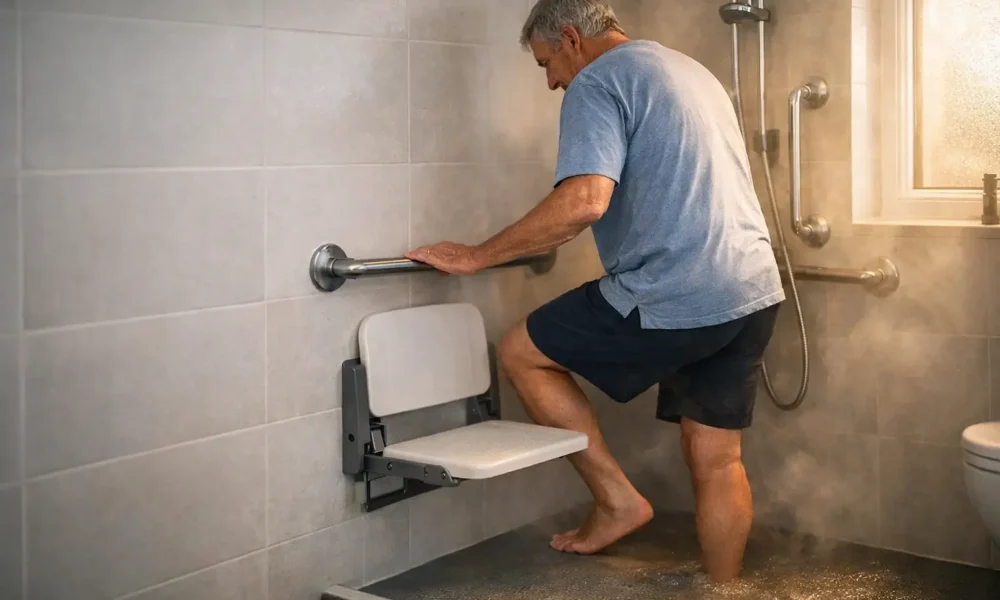
Bathroom choices can feel messy.
Advice clashes, quotes vary, and safety worries sit in the background.
If you’re trying to age in place without costly mistakes, you need a clear way to decide.
Table Of Content
- Quick answer: the best choice depends on mobility and bathroom layout
- Choose a walk-in shower if…
- Choose a bath, or a walk-in bath, if…
- Choose a hybrid if…
- A simple decision framework for aging homeowners
- Safety first: falls, slips, and safe bathing routines
- When to ask for a falls assessment
- Comfort and daily usability
- Space and layout: what fits
- Wet room vs tray vs enclosure
- Costs in 2026: what drives the quote
- Grants and VAT relief that people miss
- Maintenance and cleaning over the next 10 years
- Resale value: avoid regret
- Planning, building rules, and “permit” worries
- Buyer checklist: what to specify in your quote request
- FAQs
- Is a walk-in shower safer than a bathtub for older adults?
- Are walk-in baths safer than standard baths?
- What is a level access shower and who is it for?
- Do you need a wet room for a walk-in shower?
- How much does a walk-in shower cost to install in the UK in 2026?
- How much does a wet room typically cost in the UK?
- Will removing a bath hurt resale value?
- What’s better for arthritis: shower or bath?
- What safety features matter most: grab rails, seat, or non-slip flooring?
- Are thermostatic or anti-scald controls worth it for seniors?
- Can I get help from my council to replace a bath with a shower?
- Is there VAT relief for bathroom adaptations?
- What’s easier to clean: walk-in shower or bathtub?
- Can I keep a bath but make it safer?
- How long does installation usually take, and how messy is it?
- What should I ask an installer before I book?
We’ll compare walk-in shower vs bathtub, plus walk-in shower vs walk-in bath.
You’ll get plain guidance on safety, space, costs, and what tends to fail.
Quick answer: the best choice depends on mobility and bathroom layout
A walk-in shower often wins for daily safety because it removes the big step and supports seated washing.
A bath can still make sense for comfort or family needs, if entry and exit stay safe.
The best remodel is the one you can use calmly on a bad day.
Choose a walk-in shower if…
You want easy entry and a simpler routine.
A low threshold or level access shower reduces trip hazards at the doorway.
Spec beats style.
Add a shower seat or built-in seat, grab rails or grab bars, and a handheld shower on an adjustable rail.
Keep temperature steady.
A thermostatic mixing valve (anti-scald) helps stop sudden hot spikes.
Choose a bath, or a walk-in bath, if…
You still want a deep soak.
That comfort matters if it supports independent living.
Make the step the main test.
If the bath edge already feels hard with stiffness or balance problems, risk rises.
A walk-in bath can suit some homes.
You sit down through a door entry, but you may wait for fill and wait for drain.
Choose a hybrid if…
More than one person needs the room in different ways.
A bath-shower combo can work, but it often keeps the highest step.
If space allows, split the jobs.
A safer shower for daily use plus one bath elsewhere can future-proof without guessing.
A simple decision framework for aging homeowners
Think in two time frames.
What works today, and what still works in 3 to 5 years.
- Choose a walk-in shower for safer entry/exit, less leg lift, and a setup that still works if mobility issues grow.
- Choose a bath or walk-in bath if you strongly prefer soaking and you can keep entry/exit safe with support and clear routines.
- Choose a hybrid if your household needs both, or you want resale flexibility.
Safety first: falls, slips, and safe bathing routines
Wet surfaces raise slip risk fast.
Most falls start with a simple slip, then a hard landing.
Start with grip and support.
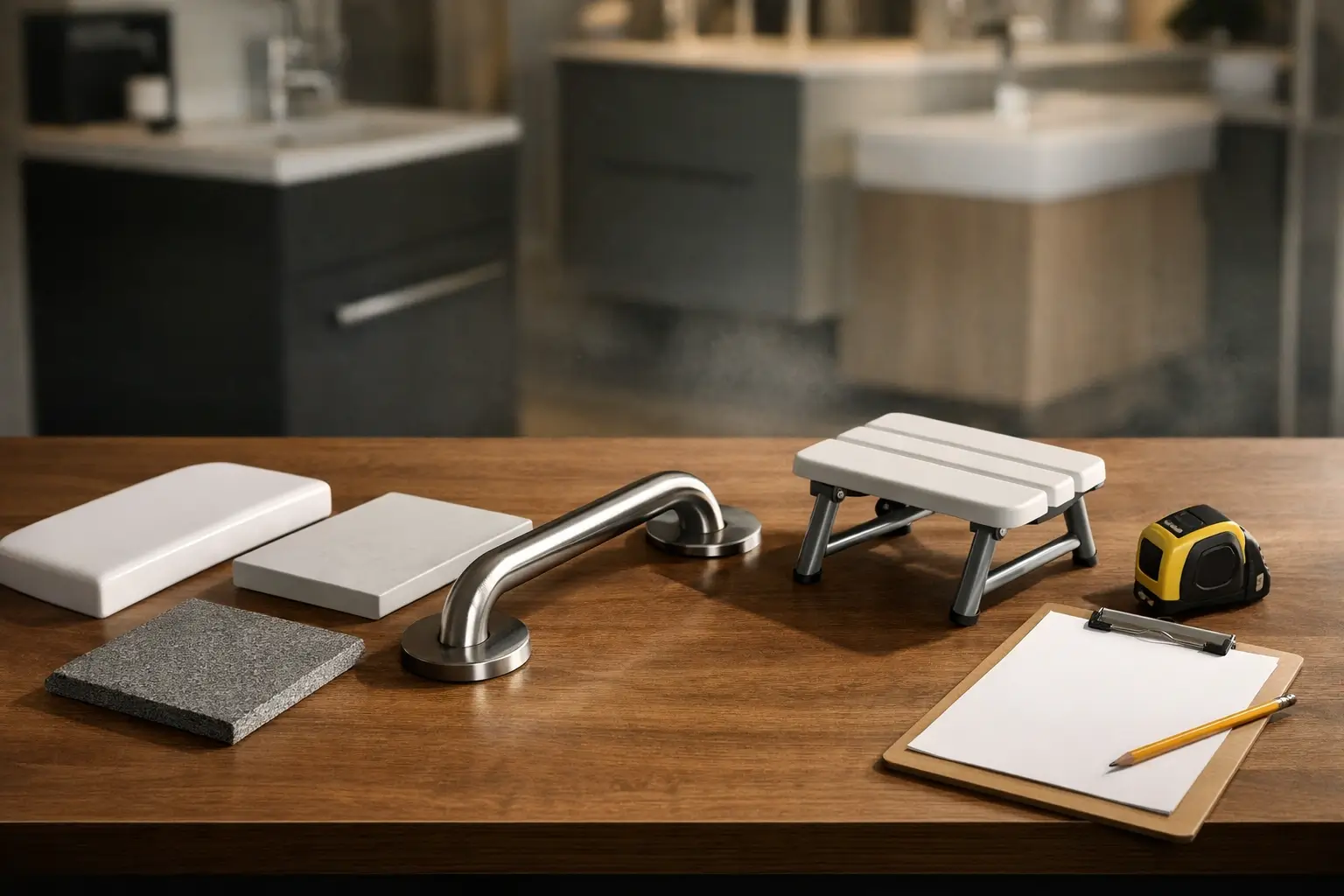
Non-slip mats, well-fixed grab rails, stable footing, and good lighting do real work.
The NHS points to practical steps like using non-slip aids and fitting grab rails where needed.
When to ask for a falls assessment
Don’t wait for a serious fall.
A near-slip is a signal that the room needs changes.
Ask for personal advice if you feel unsure.
NICE notes that falls prevention should match the person and their home risks.
RoSPA shares practical falls prevention tips for home safety, including reducing hazards and improving stability.
Comfort and daily usability
Showers suit quick routines.
They’re easier to fit around mornings, carers, and tired days.
Baths suit slow comfort.
But the step in and out is where many setups fail over time.
Space and layout: what fits
Baths use horizontal space.
Showers often use vertical space better, which helps small bathroom footprints.
Walk-in still needs clearance.
You need room to step in, turn, and dry off without bumping screens.
Wet room vs tray vs enclosure
A low-profile tray can be a smart middle ground.
It controls water with less disruption than a full wet room.
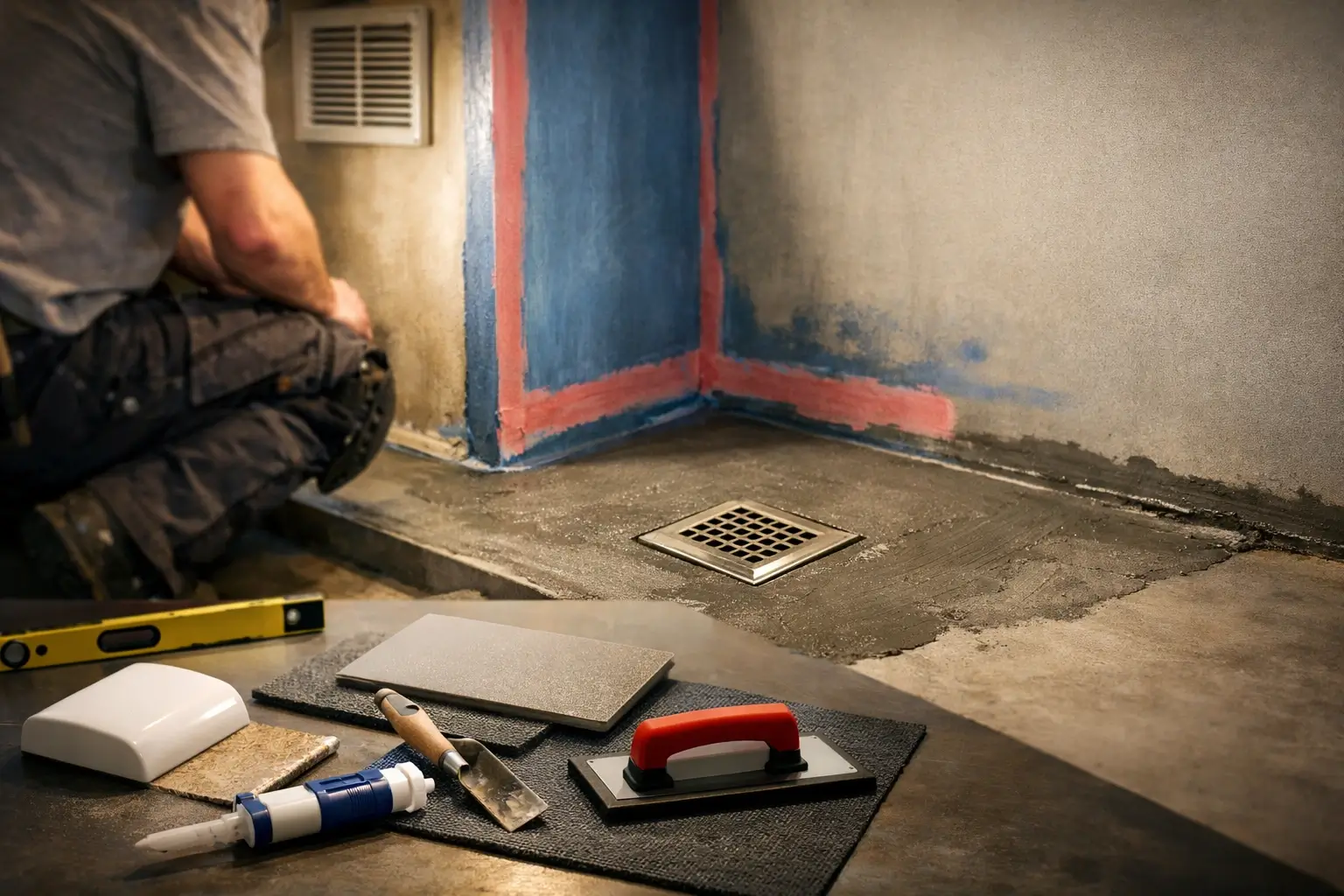
Wet rooms add flexibility, but the build must be right.
Tanking/waterproofing and the correct drainage slope matter most.
Costs in 2026: what drives the quote
Drainage drives cost.
Keeping the drain close can avoid major plumbing changes.
Checkatrade and MyBuilder both show wide cost ranges for walk-in shower installation because scope varies so much.
Wet rooms usually cost more than tray installs.
Checkatrade notes wet room installs can take around 4 to 7 days, which reflects extra waterproofing steps.
Grants and VAT relief that people miss
Start with council support.
In England, Disabled Facilities Grants can help fund bathroom access work, including level access showers.
Check VAT before you sign.
HM Revenue & Customs explains when VAT relief can apply to certain building work for disabled people, with examples linked to bathroom adaptations.
Maintenance and cleaning over the next 10 years
Showers still need upkeep.
Glass shows limescale, and silicone seals and grout need attention.
Ventilation protects the room.
Moist air feeds mould and mildew, so extraction matters.
Resale value: avoid regret
Buyer expectations vary.
Family homes often like a bath, while downsizers often want safer access.
If you remove the only bath, reduce the fear factor.
Make the shower obviously safe, tidy, and easy to maintain.
Planning, building rules, and “permit” worries
Planning permission usually isn’t the issue.
Planning Portal says bathroom installs are generally not a planning application job unless they’re part of an extension, with extra checks for listed buildings.
Building rules can still apply to parts of the work.
Planning Portal notes drainage or electrical work may need building regulations approval even when fittings are like for like.
Bathroom electrics need care.
NICEIC explains that work in bathroom zones can be notifiable under Part P, so use a registered electrician who can certify the job.
Buyer checklist: what to specify in your quote request
Ask for a safety spec, not a vague product name.
It helps you compare quotes and avoid hidden add-ons.
- Entry type: level access shower or low threshold, and the max step you’ll accept
- Slip control: non-slip flooring or anti-slip coating, plus safe drainage
- Support: grab rail locations and how they’ll fix into the wall
- Seating: shower seat or built-in seat height and position
- Controls: lever handles, handheld shower, adjustable rail
- Temperature: thermostatic mixing valve / anti-scald
- Moisture: ventilation plan and lighting plan
- Waterproofing: tanking method and test steps
- Paperwork: warranties/guarantees, installer accreditation, aftercare, and who fixes leaks
FAQs
Is a walk-in shower safer than a bathtub for older adults?
A walk-in shower is often safer because it cuts out the big step over a bath edge, which is a common slip point. Safety still depends on grip, support, and control: non-slip flooring, a grab rail, a seat, and steady temperature. A poor setup can stay risky.
Are walk-in baths safer than standard baths?
Walk-in baths can feel safer because you sit down and use a door entry instead of climbing over a high rim. You still need solid grab rails and a stable seat, and you’ll wait while the bath fills and drains. That timing can be uncomfortable for some people.
What is a level access shower and who is it for?
A level access shower has little or no step at the entry, so you walk in with less trip risk and more stable footing. It suits aging in place, balance problems, and carers who need easier transfers. It also needs careful waterproofing and drainage planning to avoid leaks.
Do you need a wet room for a walk-in shower?
No. Many homes use a low-profile tray with a shower screen, which controls water and can limit floor work. Wet rooms can suit some layouts, but they rely on tanking and correct drainage slope. If the build is rushed, puddles and leaks can follow.
How much does a walk-in shower cost to install in the UK in 2026?
Prices vary because the job changes with drainage, floor type, and finishes. Guide prices show a wide range, from basic swaps to full rebuilds, so we treat online numbers as a starting point. The real cost comes from moving pipework, waterproofing, and making good.
How much does a wet room typically cost in the UK?
Wet rooms often cost more than tray showers because installers waterproof more area and build the floor falls to the drain. Costs rise if the floor needs rebuilding or drainage sits awkwardly. Many guides put wet rooms in the several-thousand-pound range, with big swings by spec.
Will removing a bath hurt resale value?
It depends on your home and your local buyers. Family homes often sell better with at least one bath, while downsizers may prefer safe access and easy daily use. If you remove the only bath, make the shower clearly safe, tidy, and simple to maintain.
What’s better for arthritis: shower or bath?
It depends on what feels easiest and safest on a tired day. Baths can feel soothing, but the step in and out can be hard when joints feel stiff. Showers can work well with a seat and handholds. Pick the option you can use calmly.
What safety features matter most: grab rails, seat, or non-slip flooring?
Start with footing. Slips begin at the foot, so non-slip flooring or a non-slip mat matters first. Grab rails help you steady yourself, and a seat helps when standing feels hard. The safest bathrooms usually use all three, placed where you naturally move.
Are thermostatic or anti-scald controls worth it for seniors?
Yes, in most homes they’re worth it. Thermostatic controls help keep water temperature steady, which reduces sudden hot changes when another tap runs. That matters if reactions are slower or skin is more sensitive. It’s also a small upgrade compared with redoing a whole bathroom.
Can I get help from my council to replace a bath with a shower?
Sometimes, yes. Your council can assess needs and may support adaptations through the Disabled Facilities Grant route, which can include work such as improving access in a bathroom. Rules and waiting times vary, so start with a referral and clear notes on the safety issue.
Is there VAT relief for bathroom adaptations?
In some cases, yes. VAT relief can apply to certain building work and goods for disabled people, and guidance includes examples linked to bathroom adaptations. Eligibility depends on the person and the work, so check the rules before you accept a quote that includes VAT.
What’s easier to clean: walk-in shower or bathtub?
A walk-in shower can be easier day to day because you avoid the grime line around a bath rim. But glass screens show limescale, and grout and silicone seals still need care. A bath is simple inside, yet awkward corners and wall joins can trap dirt.
Can I keep a bath but make it safer?
Yes. You can add a non-slip mat, fit grab rails, improve lighting, and use aids such as a bath lift so the bath stays usable with less strain. These changes can cut slip risk without major building work. The key is stable entry and a safe exit.
How long does installation usually take, and how messy is it?
Most swaps take days, not weeks, but disruption depends on what you change. A straight bath-to-shower swap is quicker than moving the drain or building a wet room floor. Wet rooms can take longer because of waterproofing and drying times. Plan for limited use.
What should I ask an installer before I book?
Ask what they’ll do about waterproofing, drainage, and electrics, not just the tiles. Get the exact spec for entry height, slip resistance, grab rail fixing, seat type, and temperature control. Ask about warranties, aftercare, and who fixes leaks if seals fail.






No Comment! Be the first one.